Related Articles
Expanding insurance promised affordability, but instead it supercharged costs.
Nearly 16 years to the day that the Affordable Care Act, or Obamacare, became law, prescription drug prices remain one of the most baffling and infuriating parts of healthcare for everyday Americans.
Expanding insurance promised affordability, but instead it supercharged costs. Never have prescription drugs been more expensive, and the system to pay for them – more complicated. Ironically, all of that is tied to insurance.
At Forest Park Pharmacy in Fort Worth, Texas, owners Brad and Gina Hart don't take insurance. And for some customers, it means they save– big.
“We just charge the price of the medication,” Brad Hart tells "Full Measure."
“We mark it up 15%, then we charge a $10 fee. And that's the price that patients pay. And that allows us to be really unique from a pricing perspective and from an availability perspective for patients.”
More people are looking for better alternatives to pay for medicine. Jack Hoadley, is an expert on the topic, and research professor emeritus at Georgetown University.
"We've really developed this kind of crazy system where drug, the list prices of drugs, are very artificial concepts and not something that really anybody pays,” he says.
In other words, drugmakers and insurers raise list prices so they can pretend to give deep discounts. And it makes everything cost more.
“In fact, there's a concept out there in the system called an average wholesale price or an AWP, but sometimes people say it's an ‘aint what's paid’ price because nobody ever paid, it’s artificial. It’s just a number on a piece of paper,” says Hoadley.
Hart points to an extreme example of a cancer drug to show how broken the system is.
“One of the worst drugs is Abiraterone," Hart says. "Medicare spends $2,800 per prescription on that drug. At our pharmacy, it's $63. Now, whatever the patient pays that copay, it could be anything, but on the back end, that price is outrageous. They spend $880 million on that drug every year. At our pharmacy, it would be $860 million cheaper."
With health care costs at a breaking point and patients clamoring for a system-wide fix, President Biden aimed to negotiate "Maximum Fair Prices" for 10 high-cost drugs under Medicare to save billions. However, analysts say drug companies quickly raised their prices on other drugs to make up for having to negotiate on them.
President Barack Obama signed his signature legislation into law on March 23, 2010.
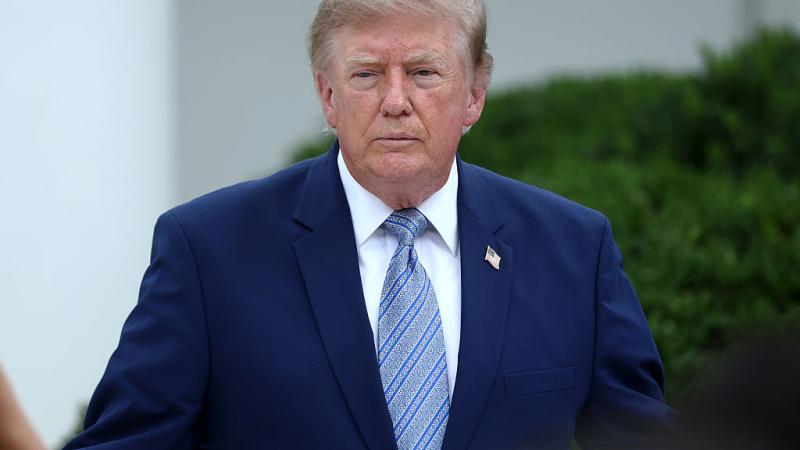
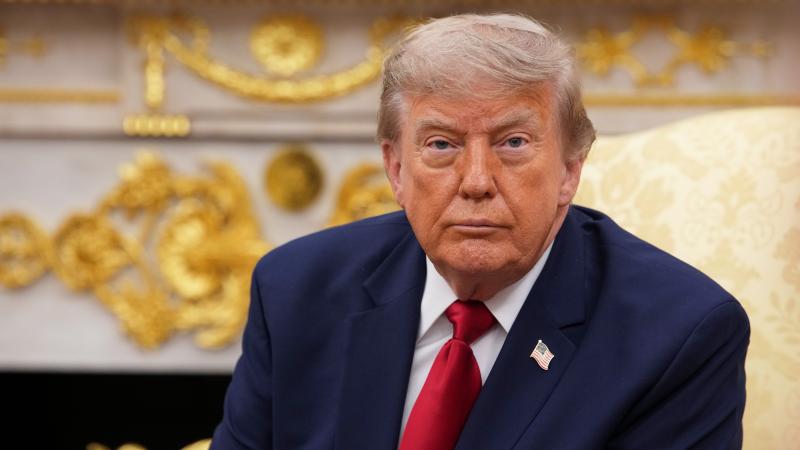
Now President Trump has revived an approach he pushed for during his first term called Most Favored Nation… using tariffs and incentives to convince drugmakers to set US drug prices closer to the lower prices they charge elsewhere.
“What Trump RX is doing is saying, ‘no, we're gonna get a discount from you a different way. We're gonna look at the larger international scene of pricing and there are cheaper prices internationally for a lot of complicated reasons. We want you, Eli Lilly or Merck or whoever the manufacturer is to give us something that looks more like the prices you give to Europe, to customers in Europe,’"says Hoadley. “And Trump is using the leverage of tariffs and other kinds of tools to try to be that negotiating leverage.”
The growing list of companies on board with Trump Rx pricing includes: Pfizer, Eli Lilly, Amgen, GSK, and Merck.
For now, America’s inflated and complex drug pricing system is in transition. Experts advise: shop around. Check your insurance price and co-pay, versus filling the prescription using an independent pharmacy, or Trump RX.com.
For more on this story, watch "Full Measure with Sharyl Attkisson” Sunday. Attkisson's most recent bestseller is "Follow the $cience: How Big Pharma Misleads, Obscures, and Prevails.”