NIH ends funding for research using aborted fetal tissue
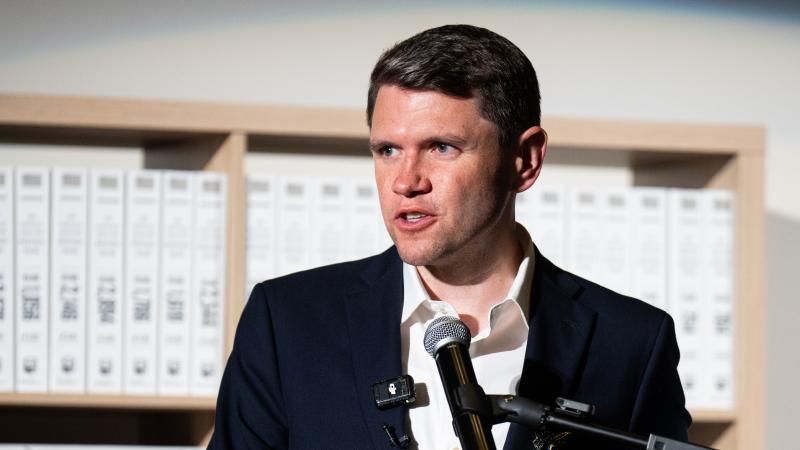
“NIH is pushing American biomedical science into the 21st century,” NIH Director Jay Bhattacharya said
The National Institutes of Health announced on Thursday that it would end federal funding for research using aborted fetal tissue.
The policy will apply to all NIH grants, cooperative agreements, transaction awards, research and development contracts, and the NIH Intramural Research Program, the Daily Wire reported.
The NIH said that the policy is part of the Trump administration’s efforts to “modernize biomedical science and accelerate innovation.”
“NIH is pushing American biomedical science into the 21st century,” NIH Director Jay Bhattacharya said Thursday. “This decision is about advancing science by investing in breakthrough technologies more capable of modeling human health and disease. Under President Trump’s leadership, taxpayer-funded research must reflect the best science of today and the values of the American people.”
The NIH funded 77 projects using human fetal tissue during Fiscal Year 2024, a figure that declined steadily since 2019, according to the NIH. Scientific advances offer alternatives in tissue chips, computational biology, and organoids.
Bhattacharya told the media outlet that the use of human fetal tissue from aborted babies has been argued over for years, putting “a large part of the population” in an ethical quandary.
“Now that there is better technology, there’s no scientific harm to this, we’re still going to be able to use the science we need … while at the same time getting rid of this use of aborted fetal tissue which so many people, including me, find morally abhorrent,” Bhattacharya said.
He added that fetal tissue can still be used for NIH-funded research if it is not specifically from an abortion.
“Someone who has had a miscarriage and wants to do a meaningful thing and they donate the tissue from the miscarriage to science, that’s still allowed,” Bhattacharya said. “The only ban is on, you have an abortion specifically to terminate the baby, and then the tissue then gets sold, that’s what’s being banned.”
“In public health and in science, we should seek to produce knowledge and products that are widely available for everybody,” the NIH director continued. “If there are large numbers of people with moral systems that say if you go down this line and use research with aborted human fetal tissue, I’m not going to participate in it…well what good was the research?”
The announcement comes a day before the annual March for Life takes place in Washington, D.C.
The Facts Inside Our Reporter's Notebook
Links


Top Stories




Trending
Just the News Spotlight
Just News, No Noise