Related Articles

A soaring global energy crunch collides with mid-term election season in the U.S., as the White House looks abroad to Venezuela and pressures Ukraine to ease supply pressures.
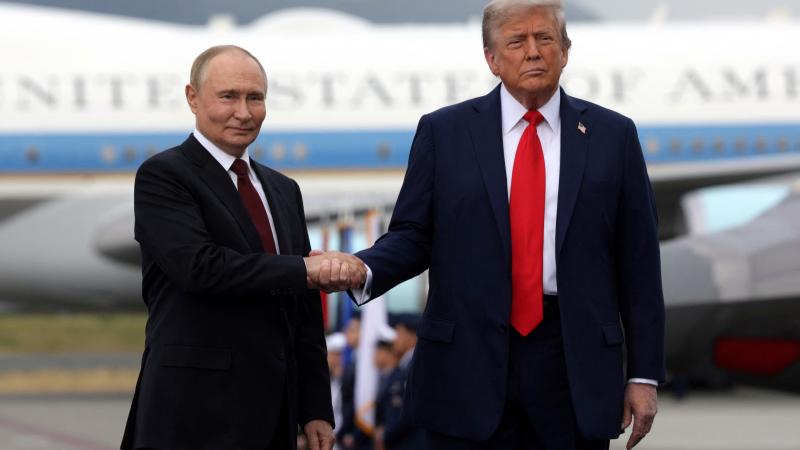
President Donald Trump is working furiously to spare the United States from the fuel crisis sweeping the globe, seeking out new sources in Venezuela, ensuring that the U.S. continues to pump oil, and calling for Ukraine to halt its strikes on Russia’s energy infrastructure.
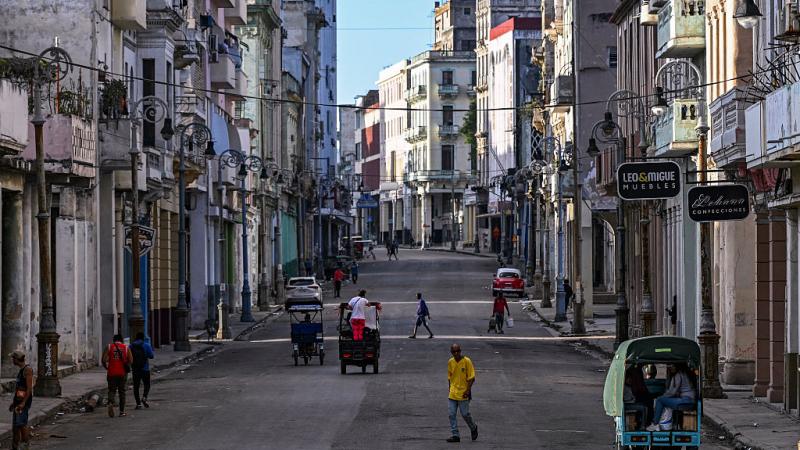
So far, the United States appears to be insulated from the worst of the crisis as unrest breaks out in countries that are feeling acute oil shortages stemming primarily from the Iran war. Rising prices in regions as diverse as South Asia and Europe have prompted protests. Governments have responded with price ceilings, rationing, and even scheduled power cuts in poorer countries.
This weekend, for example, in Syria, protesters blocked a highway, blocking traffic and setting fire to tires, just hours after the central government announced it would temporarily raise prices on fuel products by as much as 40%, both Al-Jazeera and The New York Times reported. Similar protests have occurred in the Philippines, Bangladesh, Guatemala, and Portugal.
The White House and administration officials view high oil prices as temporary, an issue that will resolve itself when the Iran war is finished, as Trump has said. However, no end to the conflict between Washington and Tehran appears likely before the midterm elections. Instead, voters are being confronted with the prospect of rising gas prices as tit-for-tat fighting between the U.S. and Iran continues just as the election season truly kicks off.
A missile strike by Iran-backed militias that damaged Saudi Arabia’s Red Sea oil pipeline this weekend has contributed to the recent oil price uncertainty sweeping the markets. The strike temporarily knocked the East-West pipeline out of commission, preventing Saudi Arabia from using its only reliable way to bypass the Strait of Hormuz and forcing the kingdom to cut oil shipments to Europe.
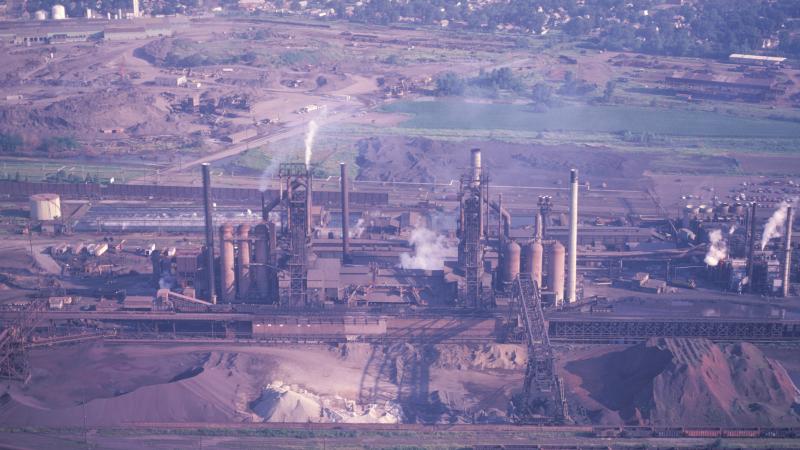
The current crunch is particularly acute for diesel, which is more expensive than gasoline. The price of diesel, an oil-based fuel often used in commercial vehicles and industrial machinery, set a new record when it surpassed $6 a gallon this weekend. Because of its use in freight and delivery transportation, elevated diesel prices often translate into higher prices for goods.
The pattern prompted the president to call on Ukraine to halt its strikes against Russian oil refineries in a bid to calm global diesel prices, which he blamed on the Russia-Ukraine war, not the conflict in the Middle East.
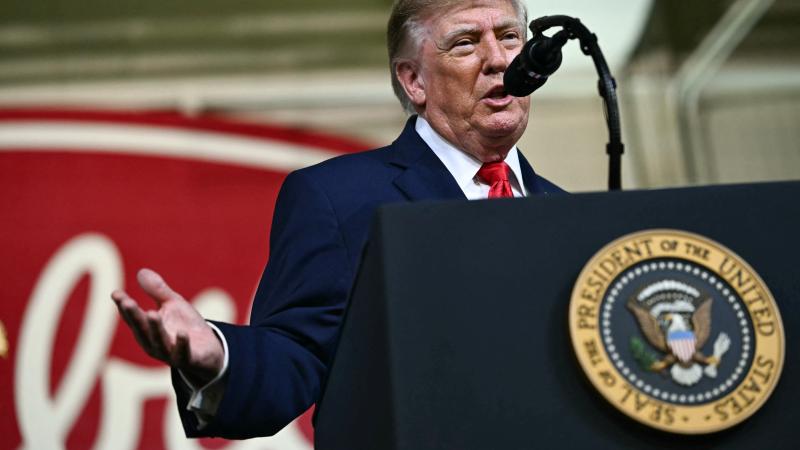
“Mr. Zelenskyy has to do one thing. He has to stop knocking out diesel fuel in Russia,” Trump said during a visit to Ireland. “Let him go after targets, but not diesel fuel because he’s causing a shortage of diesel. This isn’t done by the Middle East; this is done by what’s happening with Russia and Ukraine.”
The pressure is on. Polling throughout the summer has shown that potential voters are primarily concerned with the cost of living and economic conditions ahead of the elections, which will take place in November. In a Reuters/Ipsos poll in June, for example, respondents said the cost of living was the most important factor in deciding whom to vote for in November – at 49%, followed by democratic norms at 22% and immigration at 13%. In that same poll, 14% of respondents overall and 20% of Republican respondents labeled gasoline prices as the issue they most want members of Congress to prioritize.
Americans are also growing weary of how the president is handling the economy. Trump’s net approval on the economy is 33 points underwater, and American approval for the Iran war has also declined to the lowest levels since the conflict began, with only 31% of Americans approving of the war.
To bolster supply, the administration has turned its focus to South America, working to ease sanctions on Caracas and facilitate higher oil exports. According to reports by The Wall Street Journal, easing restrictions on Venezuelan crude could direct hundreds of thousands of additional barrels per day to U.S. Gulf Coast refineries, helping offset supply disruptions from the Middle East.
According to a Bloomberg analysis, Venezuelan crude is flowing into the United States at the highest levels since 2017. Last week, imports from the country capped out at around 800,000 barrels per day, Javier Blas, Bloomberg’s energy and commodities columnist, said.
Domestically, the White House is pushing to maximize domestic oil production by cutting regulatory hurdles. For example, the Department of the Interior moved to accelerate environmental reviews and fast-track drilling permits on public lands and offshore sites, with administration officials maintaining that expanding domestic output is key to keeping pump prices low.
Additionally, the U.S. economy has several advantages that other countries do not that may help the administration stave off the worst of the global supply concerns, including the fact that the U.S., since 2019, is a net exporter of oil.
Researchers at the Federal Reserve Bank of Dallas concluded in a study earlier this year that the United States’ energy independence puts it in a far better position to absorb potential oil shocks compared to other countries. While U.S. supply does little to reduce global oil prices, it ensures that domestic shortages impacting other countries are unlikely here.