Related Articles
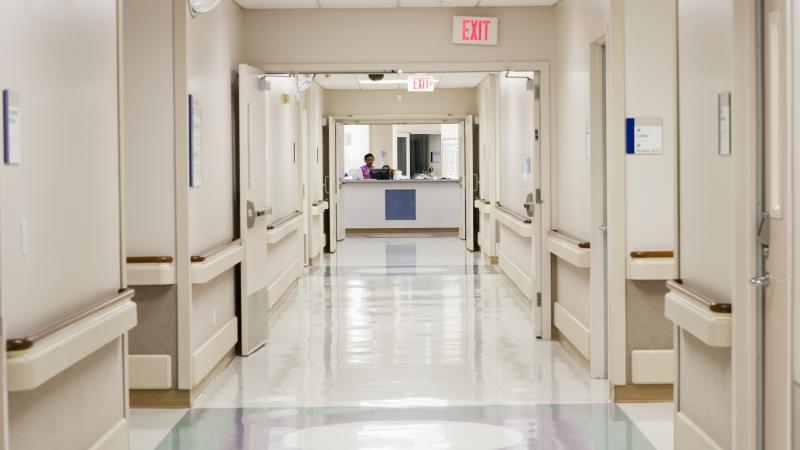
In the age of smartphone cameras, viral videos and scams, victims of senior abuse and exploitation have splashed in public awareness.
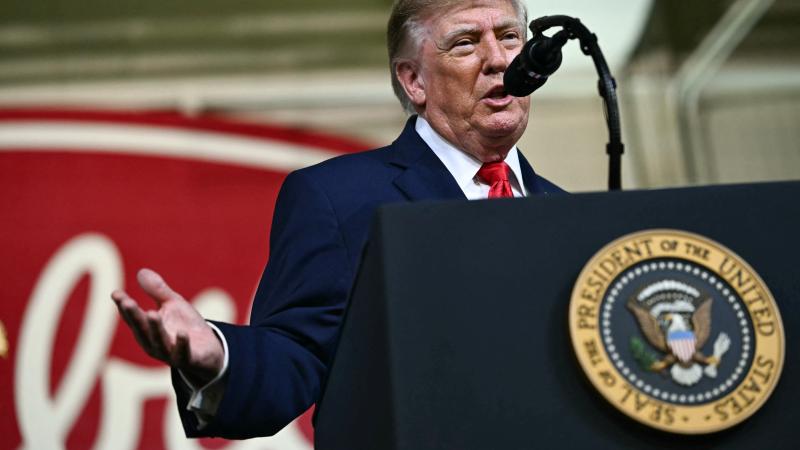
The Department of Health and Human Services' (HHS) Elder Justice Coordinating Council (EJCC) has adopted a sweeping Federal Elder Justice Action Plan and is launching an aggressive “Never, Ever” awareness and prevention campaign, a powerful MAHA-aligned move to protect seniors’ dignity under Trump’s leadership.
“When federal agencies work together to streamline oversight and administrative processes, it strengthens protections for vulnerable seniors while improving accountability across the aging services continuum,” President and CEO of LeadingAge South Carolina, Kassie South, told Just The News.
South, who has served decades as a senior health advocate, added, “Reducing burdens that hinder solutions enables providers and caregivers to focus less on paperwork and more on enhancing quality of life for residents. We appreciate the Administration’s commitment to pursuing reforms that support better outcomes and quality of life for older adults and their families.”
The "Never, Ever" initiative isn't just another awareness campaign during Elder Justice Awareness Month. It marks a decisive shift from policy to practice, uniting multiple federal agencies with states, local governments and community partners to combat growing problems in the senior sector: abuse, neglect, financial exploitation and scams that rob millions of seniors annually.
The focus is zero tolerance for overlooking senior issues, emphasizing "never, ever" let it go unreported or accepting fragmented responses when unified action can deliver solutions.
Under President Donald Trump, HHS has been tasked with implementing the Make America Healthy Again (MAHA) agenda across all applicable sectors, with this initiative serving as an extension of prevention-first leadership to America’s seniors.
It also mirrors MAHA’s fight against chronic vulnerabilities, delivering quick wins, empowering communities, and ensuring that no senior is left behind in Trump’s vision of a healthier, stronger nation at every stage of life, including the golden years.
The program will rely on teamwork across 17+ federal agencies by creating shared strategies, training programs for police, prosecutors, and first responders, and rapid-response teams that help states and local Adult Protective Services investigate and intervene faster when abuse or neglect is suspected.
For public awareness, the “Never, Ever” campaign will run national public education efforts—like targeted ads, social media, community toolkits, and clear messaging—to make families and neighbors more alert, encourage reporting, and teach simple prevention steps, so people stop looking the other way.
It ramps up enforcement by forging tighter federal-state partnerships to investigate and prosecute financial scams, nursing home neglect, and exploitation cases more aggressively. Finally, it drives immediate “quick wins” by spotting high-impact priorities (such as cutting underreporting), delivering better victim support services, and giving states flexible tools to test local solutions that actually deliver results on the ground.
Neglect and abuse among seniors represent a growing crisis as America’s older population expands. Approximately 1 in 10 older adults experience some form of elder abuse each year, with estimates reaching as high as 5 million victims annually, according to The Nursing Home Abuse Center, a privately-owned advocacy and informational web resource that connects victims and their families with for-profit legal partners and personal injury law firms.
Neglect is among the most common forms, often intertwined with emotional and psychological abuse, which affects nearly 5% of seniors yearly and emotional neglect in up to 27% of cases, according to the World Health Organization.
In nursing homes alone, over 7,600 health citations were reportedly issued in 2023 for abuse, neglect, or exploitation. Only 1 in 24 cases is reported to authorities, which, if accurate, means the true scale is vastly undercounted. These issues have worsened post-pandemic due to isolation and caregiver strain, leading to serious physical injuries, higher mortality risk, and long-term psychological harm like PTSD in up to 60% of victims.
Scams and financial exploitation are surging, draining seniors’ life savings at alarming rates. Older Americans lose an estimated $27–28.3 billion annually to financial exploitation, with $27 billion in suspicious activity flagged in just one recent 12-month FDIC analysis.
One in five seniors over 65 may fall victim to scams, reports Issues & Advocacy, with average losses around $120,000 per case and family members or trusted contacts responsible for the majority. FBI data shows elder fraud complaints rose 14% in recent years, with investment and impostor scams driving massive spikes — losses more than $10,000 reported by older adults quadrupled from 2020–2024.
Underreporting is severe (as low as 1 in 44 cases for financial abuse), allowing the crisis to escalate as sophisticated AI-enabled scams target this vulnerable group, according to The National Adult Protective Services Association, a national non-profit 501(c)(3) organization.
Amanda Head is White House Correspondent for Just The News. You can follow her here.