Related Articles
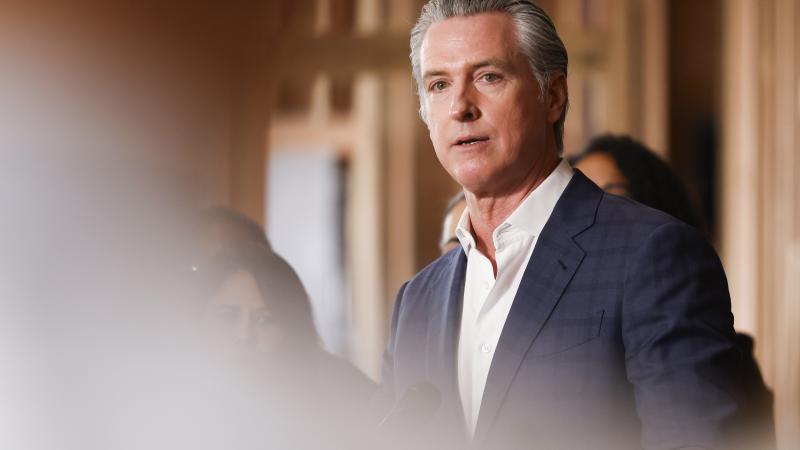
I think we should pull the plug on this whole thing,” GOP state Sen. Tony Strickland said on Friday afternoon. “The fact is that they’re moving forward without a realistic plan. Even the inspector general said the plan, moving forward, is unrealistic.”
After a $3.5 billion contract was awarded for track and electrical work on California’s high-speed rail, critics are calling the entire project problematic because of a lack of transparency.
It's the latest criticism of a delayed project that is costing taxpayers more than $100 billion in additional costs.
The firm Kiewit, Stacy Witbeck and Herzog won the contract approved at Tuesday's High-Speed Rail Authority meeting. That firm won out over one other bidder, which was ruled out because that firm didn’t meet all the requirements set out by the state agency.
No one from Kiewit, Stacy Witbeck and Herzog responded to The Center Square's request for comment on Friday.
According to a presentation from the meeting earlier this week, $118.1 million will pay for design, acquiring materials and doing pre-construction work, among other facets of the project. Roughly $260 million will pay for engineering work, laying track and construction – totaling about $378.9 million to start laying down tracks.
Other facets covered by the contract include an overhead contact system and traction power, train control and communications systems.
“The bottom line is, I think we should pull the plug on this whole thing,” state Sen. Tony Strickland, R-Huntington Beach, told The Center Square on Friday afternoon. “The fact is that they’re moving forward without a realistic plan. Even the inspector general said the plan, moving forward, is unrealistic.”
Strickland said he is concerned the high-speed rail doesn’t have the money on hand to follow through on construction and be built the way it was proposed almost 20 years ago.
“They have major cash flow issues and major funding issues,” Strickland said. “The fact that they’re willing to move forward and waste billions of dollars on a project that I believe will never be built as proposed for the people of California, I think, is irresponsible.”
Some board members had concerns this week about designating so much money to paying for various phases of the continued construction of high-speed rail, especially with the $3.5 billion going to just one company. However, High-Speed Rail Authority staff said during the meeting that walking away from working with a contractor was “not desirable.”
“We’re invested and our partners are invested in getting this project right,” Ed Fenn, chief of construction at the High-Speed Rail Authority, said during the meeting. “We have a lot of institutional knowledge as far as what costs and schedules should be, and we have experts to help us ensure that we have competitive pricing going forward.”
An official from The High-Speed Rail Authority said on Friday via email that while the 119-mile segment that runs through the Central Valley will be electrified and ready to test after work is complete, it will start operations at a later date.
“It will not be operational yet,” Micah Flores, public relations manager for the California High-Speed Rail Authority, told The Center Square. “Certification, train-set testing and other pre‑revenue activities still need to occur. This segment is part of the 171-mile operating line between Merced and Bakersfield, which is planned to begin passenger service in 2033.”
So far, the high-speed rail project is estimated to cost $126.2 billion, much more than the $9.95 billion bond that California voters approved in 2008, according to previous reporting by The Center Square. The complete high-speed rail was supposed to be finished in 2020.