Georgia bill would allow residents to sue local governments over unenforced homelessness laws
Local governments could decide to do away with their ordinances addressing homelessness so that they would not come under the scope of the waiver of sovereign immunity,
(The Center Square) -
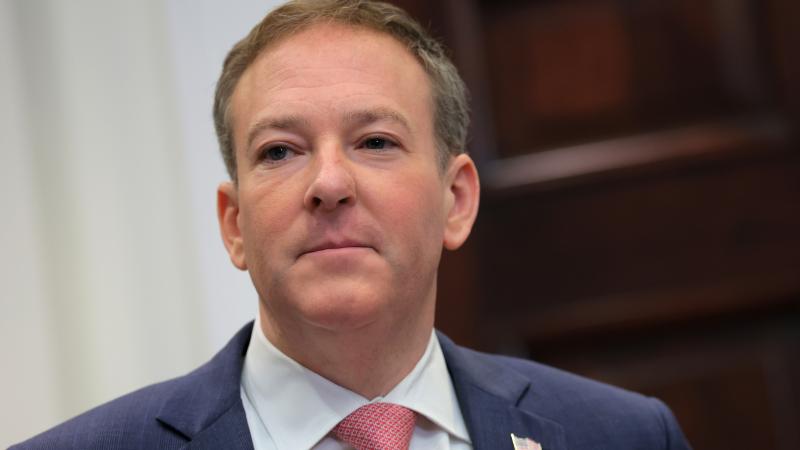
Georgia state Rep. Houston Gaines said he has firsthand experience with the influx of homeless people in his hometown of Athens, but he hopes a bill on Gov. Brian Kemp's desk will bring change to Athens and the rest of the state.
"The reality is you're going to see a lot of homeless individuals sleeping and lying in front of businesses," Gaines said of his hometown in an interview with The Center Square. "I've heard from constituents every single day who frankly are sick of having to show up at their business to open their doors, and they have someone sleeping in front of their business, or they have loitering right outside of their business all day."
The goal of House Bill 295, sponsored by Gaines and passed by the General Assembly, is to hold local governments that aren't enforcing existing laws on homeless issues, such as illegal camping, panhandling or loitering, accountable, he said.
"It allows property owners, business owners to go and seek compensation or refunds on the property taxes up to either expenses incurred, if they had to put up security cameras, fencing, full-time security or if their value of their home or business was diminished as a result of that local government's inaction, then they could seek a refund up to the taxes they paid," Gaines said.
The effect on taxpayers depends on who you ask.
The Association of County Commissioners worked with Gaines on the bill because the organization had several concerns, including the impact on taxpayers.
"In the same year that the Georgia House of Representatives wants to put a cap on property taxes, at the same time they want to waive local sovereign immunity, which at the end is going to be paid for by Georgia local taxpayers," said Todd Edwards, director of governmental affairs for the Association of County Commissioners of Georgia in an interview with The Center Square.
Gaines said, "As long as local governments enforce the law, they have nothing to worry about."
"It's my belief, what is not fair, is a local government failing to enforce its own laws, to do the job of local government, and then they send a property tax bill to a homeowner or business owner and stick them with the bill, to pay for the local government that just failed them," Gaines said.
The bill passed in the last hours of the session, but not before Vidalia Republican Blake Tillery tried to add an amendment that would have waived sovereign immunity entirely for any violation of sanctuary city and immigration policies based on a bill passed in 2024 that would cut off state funding to local governments that don't enforce immigration law. The version of House Bill 295 that passed would allow individuals to petition the superior court for a writ of mandamus, a court order requiring government officials to comply with the law, instead of suing.
House Bill 295 could create some unintended consequences, Edwards said. Local governments could decide to do away with their ordinances addressing homelessness so that they would not come under the scope of the waiver of sovereign immunity, he said.
"We're certainly not going to encourage counties to do that, but that might be the unintended consequences," Edwards said.
Local governments are not the only ones opposing the bill. The National Homelessness Law Center and other groups are asking people to contact Gov. Brian Kemp and encourage him not to sign the bill. The organization said the bill would lead to more arrests of homeless people.
"We will never arrest our way out of homelessness," the organization said in a social media post. "We need lawmakers to invest in housing and resources that could help unhoused people instead of send them to jail, which only makes it harder to secure homes and jobs."
Georgia included $50 million in its fiscal year budget to address homelessness. Gaines said he doesn't believe the issues are about money.
"It's my belief that its enforcement and actually addressing the underlying issues is what the challenge is," Gaines said. "I think you're seeing record resources coming in from both the state and local levels but you're not seeing action taken at the local level."
The General Assembly adjourned April 2, and the governor has 40 days to sign or veto the bill.
Georgia is not the first state to address the enforcement of ordinances regarding homelessness. Arizona voters approved Proposition 312 in 2024, which allows property owners to obtain tax refunds if they were affected by city and county lax enforcement.
The Facts Inside Our Reporter's Notebook
Links

Top Stories




Trending
Just the News Spotlight
Just News, No Noise