Climate experts: UN COP31 summit doomed from start, no way 200 nations agree on world energy policy
The biggest standoff is essentially between support for fossil fuel or renewable energy like wind and solar.
Energy experts say the United Nations annual climate summit ending Sunday without an agreement appeared destined to happen – considering the unlikelihood of roughly 200 member nations, from Saudia Arabia to Demark, agreeing on a global climate-energy policy.
“I have always assumed it would be inevitable that the entire process would fall apart," energy analyst David Blackmon told Just the News on Monday one after the close of the Conference of Parties, or COP, 31. "You just have too many major countries with competing views of the right direction, and many of them don't even believe there's a problem”
To be sure, there were perhaps as many disparate policy plans as there were member nations – with limits on greenhouse gases to leaders preferring fossil fuel over clean energy atop the list.
Still, last year's summit, in Belém, Brazil, concluded with a compromise deal, the Mutirão Decision / Belém Political Package, though it did not reach consensus on a fossil fuel transition. And past ones have concluded with milestone agreements, particularly the 1997 Kyoto Protocol and the 2015 Paris Agreement.
This year, the European Union and member nations outside that group rejected the proposed “Antalya Pact,” as it’s been called, because it was too weak to advance the fight against global warming, according to Reuters.
The summit, in Antalya, Turkey, was the longest in the history of the gatherings, held annually since 1995.
To reach an agreement at COPs, all nations must reach a unanimous consent. That means a single nation can oppose proposed agreements and derail the entire process.
The failure this year has resulted in considerable backlash from those committed to reaching net-zero emissions –the amount of released greenhouse gases being equal to the amount removed – while giving ammunition to those who say the conferences are pointless exercises in debates over futile efforts to rid the world of fossil fuel emissions in a couple of decades.
Al Gore wants COP reform
Former Vice President Al Gore, whose 2006 Academy Award-winning documentary “An Inconvenient Truth” brought concerns about global warming into the mainstream, said that the failure of nations at this year’s summit to come to an agreement shows that the conference rules need to be reformed.
“World leaders no longer want to settle for the lowest common denominator," he told the British newspaper The Guardian. "They want real action to implement and finance a just transition away from fossil fuels. It has been clear for years that the Cop process is in need of significant reform."
Initially, the expectations for the outcome of this year’s conference were modest. Turkey wanted to boost global electrification, meaning less burning of fossil fuels to power engines, heating and other applications, and it wanted to emphasize the implementation of past climate agreements.
The process began to crumble when the Turkish COP presidency released a proposal that made no mention of fossil fuels.
The European Union opposed the draft agreement for that reason, but the removal of the term was reportedly done to appease countries that export them. Saudi Arabia was behind much of the effort to resist reducing reliance on fossil fuels, Reuters reported.
Ireland's climate minister, Darragh O'Brien, told Reuters that “oil states” had “hijacked” the conference.
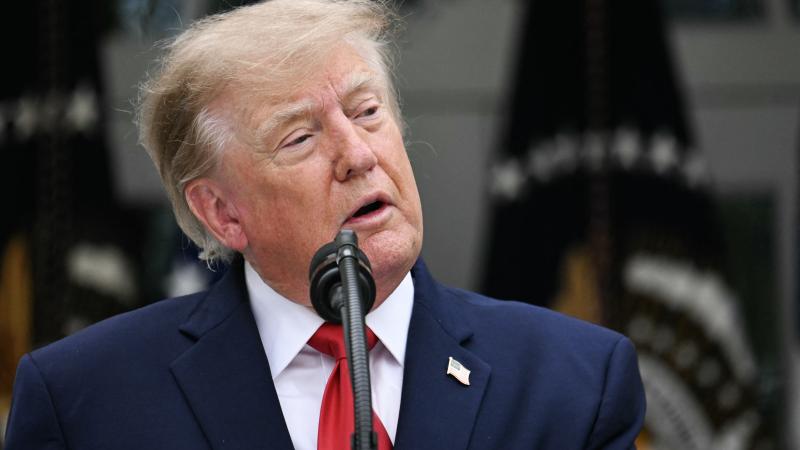
Several negotiators at the conference said Riyadh’s voice was stronger due to a lack of U.S. participation, which has declined to send delegates for the past two years — ever since President Donald Trump took office.
Future of COP
With so many competing perspectives, it's not surprising that a final agreement couldn't be reached. Nonetheless, some still expected more.
UN Secretary General António Guterres said in a statement that he was “deeply disappointed” that the conference ended without a consensus on an “overarching outcome.”
“I share the very profound frustration of all those who expected governments to rise to the moment the climate crisis demands,” Guterres said.
It’s possible that the European Union and nations outside it who are committed to eliminating fossil fuels could form their own climate coalition separate from the COP conferences.
The United Kingdom Government published a Q&A in the wake of the COP31 failure, insisting the nation remains committed to the Paris Agreement. The 2015 non-binding commitment, which was signed by nearly every nation on Earth, pledged to reach net-zero emissions by 2050.
“The UK remains committed to the Paris Agreement and will continue working with international partners to drive greater ambition,” the UK government said.
With reductions in global emissions requiring global cooperation, however, commitments might be hard to come by without a global agreement.
Blackmon said that the failure to agree to a final deal at COP is a chance for the nations involved with the conference to realign their goals and expectations to something more realistic, like mitigating the impacts of climate rather than rapidly eliminating the use of fossil fuels in hopes of producing better climate outcomes.
“I'm gratified. I think the whole thing's been a gigantic scam and a grift. Now we can focus on mitigating real problems. In the long run, that can only be of benefit to everyone,” he said.
The Facts Inside Our Reporter's Notebook






Top Stories


Trending
Just News, No Noise