Following 2025 fires, CA lawmakers discuss rising costs of multi-billion dollar wildfire fund
As California’s wildfire season is set to worsen, lawmakers talked briefly about the state’s seven-year-old wildfire fund, which is now projected to cost California’s taxpayers roughly $39 billion.
As California’s wildfire season is set to worsen, lawmakers talked briefly about the state’s seven-year-old wildfire fund, which is now projected to cost California’s taxpayers roughly $39 billion.
After California’s devastating wildfires in 2018 and 2019, state officials established the wildfire fund, which was meant to have the capacity to pay out $21 billion worth of wildfire loss-related claims. The fund was meant to operate for 10 years, and investor-owned utility companies, like PG&E, pay into that fund. As of June 2025, there was $13.49 billion in the fund, according to the California Wildfire Fund’s 2025 annual report.
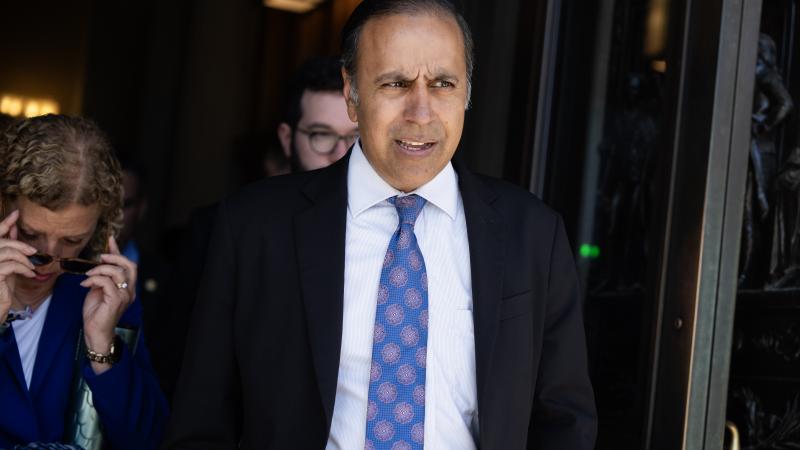
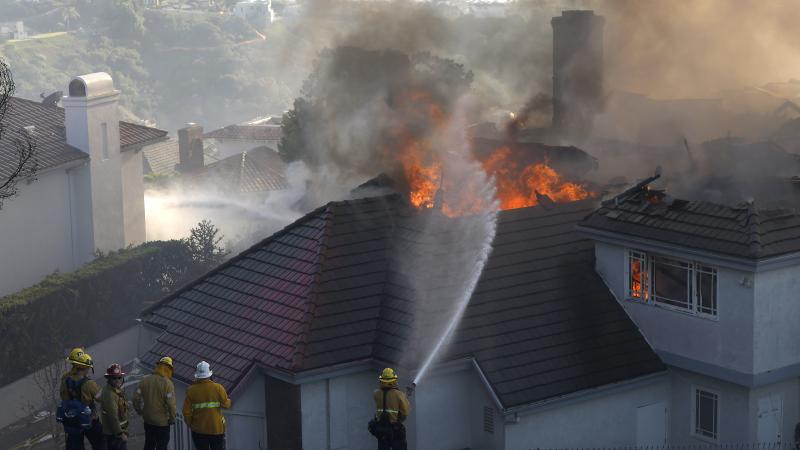
However, because of the record-breaking wildfires like the Eaton fire in early 2025, tens of billions of dollars of liabilities from those fires would wipe out what is in the wildfire fund now, said Sen. Ben Allen, D-El Segundo.
“The calculation on the durability of the wildfire fund changed,” he said at the outset of a Tuesday morning hearing about wildfire mitigation in California.
A bill passed last year, Senate Bill 254, authorized an extension of the wildfire fund for another 10 years. The fund is now set to expire in 2045 and would infuse the fund with an additional $18 billion. Half of that would be paid by customers of large electrical corporations through their monthly electricity rates, according to a legislative analysis of the bill. The other $9 billion is paid for by electrical company stakeholders.
“We know California is experiencing devastating and catastrophic wildfires,” Allen said. “We’ve seen the impacts of displacement that last months and years after the news cycle has turned to other stories. Survivors struggle to rebuild their homes and lives.”
According to a study from the University of California, Irvine published in 2021, environmental pollution, property losses and casualties from wildfires have been getting worse each year since the beginning of the 21st century. The Golden State has seen an average of 317 wildfires a year over the last 20 years, burning an average of 674,410 acres.
California state officials briefed lawmakers about ways to make the state more resilient to wildfires, laying out a number of policy decisions lawmakers could make that would increase the state’s ability to reduce and recover from an ever-worsening wildfire season.
The proposals detailed in a report about how California can more adequately prepare for natural disasters, included bolstering clean energy programs, ensuring access to property insurance and making the state’s communities more able to withstand natural disasters like wildfires.
Among the policy decisions lawmakers can make as efforts continue to try to avoid and prepare California for more and worse wildfires are maintaining investments in landscape. Utility mitigation is one piece of the effort with the companies putting in a lot of money. Another option is to disburse the burden of who pays for what – essentially splitting the cost of wildfire mitigation between electrical utility companies and the insurance market, said Laurie Johnson, an urban planner and consultant.
“This is really about how are we paying for it, who’s paying for catastrophe losses, what are we putting aside in terms of investments in advance, and what do we have to pay and react to after an event,” she testified during the hearing.
The Facts Inside Our Reporter's Notebook


Top Stories



Trending
Just the News Spotlight
Just News, No Noise