Related Articles



Duke University School of Law, seventh-best nationally in a U.S. News & World Report ranking, discriminated based on race in admissions for the 2023, 2024 and 2025 classes, says the Civil Rights Division of the U.S. DOJ.
Duke University School of Law, seventh-best nationally in a U.S. News & World Report ranking and consistent member of the national T14 list, discriminated based on race in admissions for the 2023, 2024 and 2025 classes, says the Civil Rights Division of the U.S. Department of Justice.
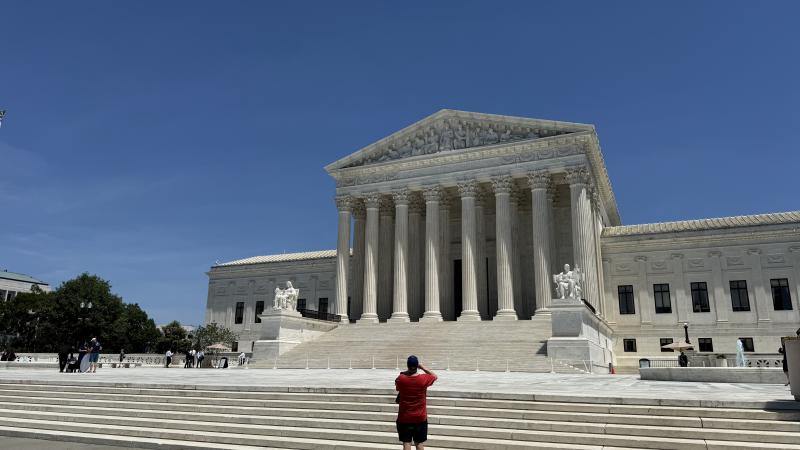
Federal officials said the university’s conduct violated Title VI of the Civil Rights Act of 1964 and the U.S. Supreme Court’s 2023 decision in Students for Fair Admissions v. Harvard. The former prohibits discrimination on the basis of race, color or national origin; the latter banned race discrimination in higher education.
No penalties were announced. The Justice Department plans to negotiate with Duke to bring the institution into compliance; short of that, litigation could ensue.
Kerry Abrams is the dean of Duke Law. Incoming classes are generally about 200 or more, and total enrollment runs about 800.
In a statement released by the university from Durham, it read in part, “Duke is committed to complying with the law and will continue to do so in a manner that is consistent with our academic mission."
The Civil Rights Division said Duke puts forward a revised mission statement, and questions in the admissions process to allow candidates a way to further Duke Law’s mission. Admissions staff was directed to highlight, using “diversity/services” tags, applicant information that could be used to advance racial diversity goals.
Tags were also used that captured applicant characteristics tied to race, such as a Pell grant recipient, the Justice Department said. Financial need is a part of the Pell Grant process; race and ethnicity are not.
In 2024 and 2025, federal officials say, the median LSAT scores of rejected white and Asian applicants exceeded the LSAT scores of admitted Black applicants. LSAT is the acronym for law school admission test.
Fourteen American law schools historically hold the top spot in national rankings, and are generally unmatched in job placement in elite law firms and federal clerkships. In addition to Duke, the others are Yale, Stanford, University of Chicago, Columbia, University of Pennsylvania (Penn Carey), New York University, University of Virginia, University of Michigan, Cal Berkeley, Northwestern, Cornell, and, depending on the year and data, either Georgetown or UCLA.