In North Carolina Senate race, Roy Cooper haunted by prison release of suspect in train stabbing
Cooper disputes he was responsible for the release of the defendant when he was governor.
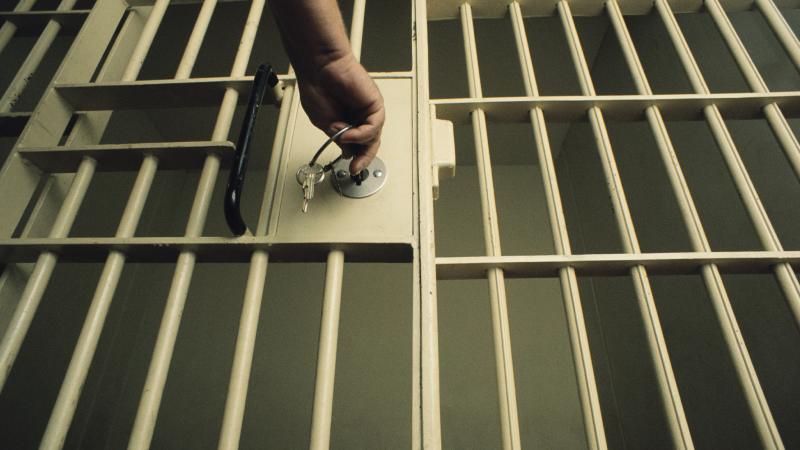
The release five years ago of an estimated 9,000 prisoners – known to include 3,500 as part of settling litigation led by the NAACP and ACLU against then-Gov. Roy Cooper – included DeCarlos Brown Jr., the leader of North Carolina's Senate.
Video of Brown in a stabbing death on a light rail train in Charlotte last year went viral and led to congressional pressure for the magistrate releasing him eight months earlier to be removed; new law ending cashless bail; and removal of the unwritten moratorium on the state’s death penalty.
Sen. Phil Berger, R-Rockingham, the president pro tempore of the chamber, is asking for more.
“As governor, Roy Cooper let thousands of criminals out early and hid his actions from the public,” said the 13th-term senator. “DeCarlos Brown Jr., who is now on trial for murder, was one of the prisoners. Cooper’s secret deal with far-left activists put violent criminals back on the streets. North Carolinians have a right to know the extent Cooper went to hide his soft-on-crime policies and who was released. Cooper’s policies continue to endanger neighborhoods across our state.”
The campaign for Cooper, a four-term attorney general, said the accusation is false and Brown was released earlier.
The release of 3,500 was on Feb. 25, 2021, during the COVID-19 pandemic. A list of prisoners released was never made public. Berger said Wednesday he has the list. Cooper had been sued by the North Carolina State Conference of the NAACP, Disability Rights North Carolina, the American Civil Liberties Union of North Carolina Legal Foundation, four prisoners and an inmate’s wife.
Before the settlement, the Department of Public Safety had already released 16% of the state’s population, dropping the total incarcerated to 28,680 – or a release of more than 5,400.
It said the plan was to release inmates who have not committed crimes against other people; are pregnant; are scheduled to be released in 2021; and planned to grant early release to those on track for parole.
Iryna Zarutska, 23, was killed while aboard the Lynx Blue Line light rail train about 10 p.m. Aug. 22 alongside Camden Road near the East/West station, according to the Charlotte Area Transit System video. Brown, arrested a 15th time in as many years, is charged with first-degree murder on the state level and charged on the federal level with committing an act causing death on a mass transportation system.
While in the local news immediately, the story went viral two weeks later when video was released by Charlotte-Mecklenburg Police from cameras aboard the train.
Six days later, Charlotte taxpayers spent a minimum of $3.4 million and possibly more for a Washington public relations firm’s aim of “enhancing the public’s perception and use of public transit in the Charlotte-Mecklenburg area.” Nine Democrats and two Republicans on the City Council delivered a unanimous vote to climax the Sept. 11 issuance of request for proposals.
Following the death of Zarutska, first-term Republican state Auditor Dave Boliek took a different route, opening an investigation into safety and spending at CATS.
His staff's preliminary audit found a 55% reduction in armed security staff, 211% increase in contract value, and ties to diversity, equity and inclusion in a damning analysis released Sept. 30.
Armed security personnel for CATS were between 68 and 88 in a 2018 contract with G4S Secure Solutions. September’s detail was 39.
PSS has the contract today. The pact was for $5.9 million in 2022 and $18.4 million in 2025 when Zarutska was killed.
When the audit was released, the contract allowed up to 219 personnel. That means 82.1% of the available jobs were vacant in an agreement allowing armed guards on all 48 train cars at once.
The Facts Inside Our Reporter's Notebook

Top Stories


Trending
Just the News Spotlight
Just News, No Noise