Related Articles
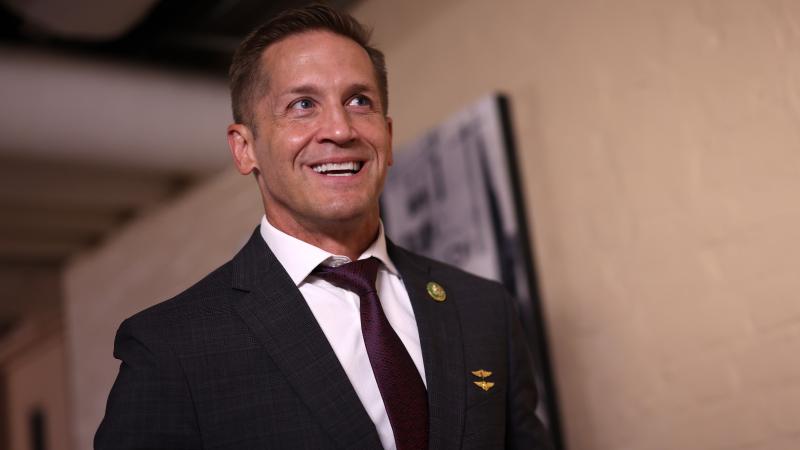
If Pennsylvania decides to legalize recreational marijuana, which government agency should run the show? Gov. Josh Shapiro's proposed budget for 2026-27 anticipates lawmakers will legalize it and $729 million in new revenue will be generated
(The Center Square) - If Pennsylvania decides to legalize recreational marijuana, which government agency should run the show?
Gov. Josh Shapiro's proposed budget for 2026-27 anticipates lawmakers will legalize it and $729 million in new revenue will be generated next fiscal year. But his last budget contained a similar proposal that failed to get through the Legislature. A key disagreement was which part of government should oversee things.
Now, as lawmakers start to consider Shapiro's latest budget pitch, it appears that still no resolution has been reached in the divided Legislature.
A new "Cannabis Control Board" would be formed under a bill sponsored by Republican Sen. Dan Laughlin of Erie County, who chairs a Senate committee that is key to the process. The bill does not carry out legalization - that would be done separately - but Laughlin believes the new board is needed to oversee the state's already-existing medical marijuana program. Recreational marijuana could be added to its duties later, he said.
Meanwhile, Democratic Rep. Dan Frankel of Pittsburgh, who heads an important committee in the House, believes the state Liquor Control Board is a good choice. Public hearings on potential legalization indicated youth access and public health issues were primary concerns, and Frankel said "the LCB does a very good job" on those when it comes to alcohol.
Last year, the Frankel-led House Health Committee passed a legalization bill that put recreational marijuana under the LCB. When the bill reached the Senate, it was rejected by the Laughlin-led Law and Justice Committee.
Laughlin said the Cannabis Control Board bill must pass for there to be any hope of legalization this year. Frankel said he is at least willing to take a look at the bill.
"I never say never," Frankel said. "I would certainly be open to discussion."
Legalization is one of several steps proposed by Shapiro to help close a roughly $5 billion gap between what Pennsylvania spends and what it brings in. But still another faction of lawmakers thinks legalization is simply a bad choice.
One of them, Republican Rep. Kathy Rapp of Warren County, said a price would be paid for human services, rehabilitation, and law enforcement that would outstrip any new revenue.
Rapp said she is especially concerned about youth addiction, harmful effects on mental health, impaired driving, and people being high at work. She pointed out that page 34 of the Pennsylvania Driver's Manual issued by PennDOT contains the red-letter statement: "Drugs affect your brain function and can seriously impair your ability to drive safely. For example, marijuana can slow reaction time, impair judgment of time and distance, and decrease coordination."
A recent study published in JAMA, the journal of the American Medical Association, said many individuals can use marijuana without major problems but 10% to 30% develop "cannabis use disorder" that can include low moods, anxiety, apathy and impaired learning and memory.
The Shapiro administration, Rapp said, has significantly overestimated the financial benefits.
"It doesn't really matter to me what part of the administration they put it under," Rapp said. "It is the product itself, and what it does to our population, that I am concerned about."
The pressure on lawmakers to approve recreational use in Pennsylvania is only increased by the fact that most bordering states have already approved a program.
Frankel said legalization makes sense as a source of new revenue "that is sitting right in front of us." Besides bringing a wealth of knowledge about marketing and regulating an intoxicating substance, Frankel said, the track record of the LCB demonstrates it would be friendly to small business - something he said is largely missing from the state's medical marijuana dynamic.
There also was an argument, he said, for "not creating an entire new bureaucracy."
A motivating factor for Laughlin is the belief that the Cannabis Control Board is needed, whether or not there is a vote on legalization. The existing medical marijuana program, which was approved by lawmakers in 2016, is regulated by the state Department of Health.
There have been issues that weren't "handled as well as they could have been," Laughlin said, without being specific. The net effect, he said, is that half or more of the people who get doctor-approved medical marijuana cards are doing it for recreational purposes.
That, he said, is an argument to move the program under a standalone entity like the Cannabis Control Board.