Biden-era, by-mail abortion pills can't be halted despite safety data 'gap,' appeals court suggests
Mifepristone challenges have hit repeated snags at Supreme Court on legal standing, and appeals court that twice ruled relaxed prescribing rules violated regulatory procedure is wary of getting overturned again.
The year before the Supreme Court eliminated federal abortion rights in Dobbs, Texas took a page from California to insulate its near-total abortion ban: task private citizens with enforcement through civil litigation so public officials couldn't be sued to block the law.
The Biden administration used a similar tactic in 2023 when its Food and Drug Administration permanently removed in-person dispensing requirements for mifepristone, making it difficult if not impossible for anyone to demonstrate the legal standing necessary to stop a flood of abortion pills into pro-life states with newfound authority to regulate abortion.
Despite Justice Samuel Alito's fear that legal standing might immunize the FDA from any accountability for its handling of mifepristone, whose non-fatal serious adverse events the FDA hasn't tracked in a decade, the high court unanimously rebuked the 5th U.S. Circuit Court of Appeals for blocking mail-order mifepristone absent plaintiffs with legal standing.
Four months after SCOTUS again blocked the 5th Circuit's mail-order pause in a subsequent challenge by Louisiana, the New Orleans-based appeals court wrung its hands at a hearing Wednesday on what leeway, if any, it had from SCOTUS to stop a "medical practice whose safety the agency admits was inadequately studied," as the 5th Circuit said in May.
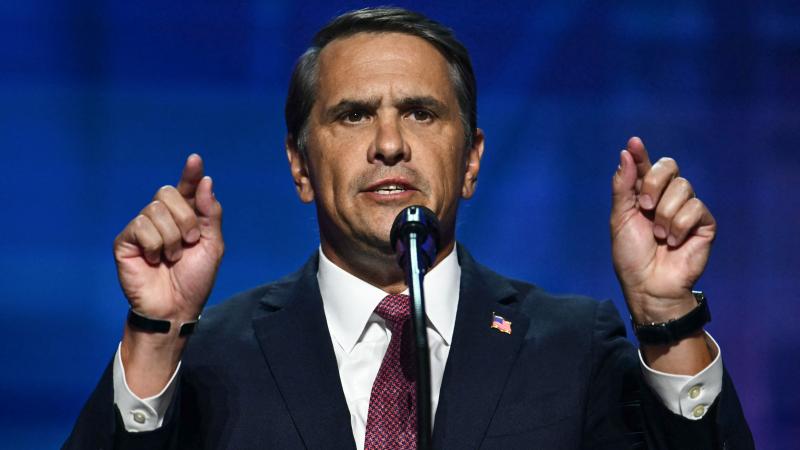
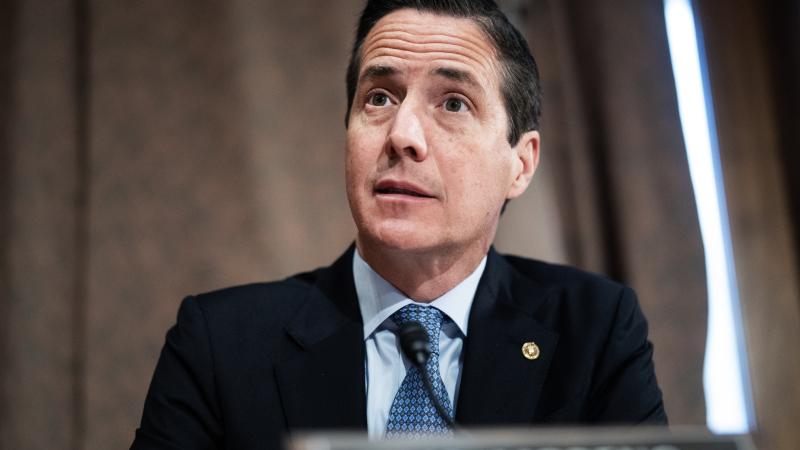
Louisiana Solicitor General Ben Aguiñaga faced a skeptical panel of two judges nominated by Democratic presidents Obama and Biden, under whom mifepristone rules were drastically relaxed, and one by GOP President George W. Bush, who gave Department of Justice lawyer Daniel Winik a hard time for not answering basic questions.
The Pelican State is seeking what's known as a 705 stay under the Administrative Procedure Act to pause the 2023 change to mifepristone's Risk Evaluation and Mitigation Strategy as the case barrels toward SCOTUS for a final determination of whether the FDA adequately studied how loosening mifepristone rules would affect its safety.
The Trump administration has resisted broadsides by pro-life groups and red states to immediately pull the mail-order regulation, citing the FDA's long-awaited safety review of the pill, which the agency has acknowledged won't be finished before the midterm elections.
Still, Todd Blanche, as acting attorney general before being confirmed to the post, did tell Congress, "We are not defending what Biden did" in the 2023 REMS, which is "wrong," and acknowledged Louisiana’s laws are "really what’s being violated here," Louisiana's July 29 brief emphasized.
U.S. District Judge David Joseph gave DOJ until Oct. 8 to demonstrate the safety review was on track or else he might reinstate the restrictions the 5th Circuit subsequently imposed.
"We get the clear sense that the White House doesn’t want the report to be finalized until after Election Day," a Senate GOP staffer told The Washington Sun this week.
Targeting Louisiana's pro-life laws like California targeting fuel producers?
Oral argument devolved into a thicket of confusion over what Louisiana was actually seeking and whether it was preempted by prior SCOTUS mifepristone rulings.
Aguiñaga insisted the panel didn't have to rule that Judge Joseph committed an "abuse of discretion," by pausing the litigation until the FDA finished its safety review to grant Louisiana the 705 stay to pause the regulation itself.
Noting the 9-0 SCOTUS reversal in the original Alliance for Hippocratic Medicine challenge by emergency room doctors, Obama-nominated Judge Stephen Higginson asked whether Aguiñaga could cite "any other circuit that has been as bold to say" that it will issue another injunction after SCOTUS reversal.
Aguiñaga said the judge was "overreading" the high court's order.
Higginson noted courts outside the 5th's jurisdiction have ruled that the remaining restrictions for mifepristone are themselves arbitrary and capricious, the inverse of what its own courts have determined, alluding to the "judicial tug-of-war" feared by DOJ.
The solicitor general emphasized the "undisputed common ground": Louisiana is suffering 1,000 illegal abortions a month through mail-order mifepristone, by the estimate of the abortion-rights Society of Family Planning, meaning it has legal standing through economic injury and sovereign harms via Medicaid spending to care for women injured by the pill.
Higginson and Judge Priscilla Richman, the Bush nominee, challenged Aguiñaga on where the FDA authorized prescribers to illegally mail pills to Louisiana.
"I'm looking at six different steps third parties have taken" to harm Louisiana with mifepristone, which the state attributes to the FDA, Higginson said.
Aguiñaga said the Department of Health and Human Services cited Dobbs as the trigger for the 2023 REMS, and the agency permanently dropped the in-person pickup rule days after Dobbs oral argument suggested federal abortion rights were in danger.
He argued with the judges over whether the FDA action was like California ordering automakers to make more electric and fewer gas-powered vehicles, prompting a legal challenge by fuel producers. Justice Brett Kavanaugh, who wrote the 9-0 mifepristone opinion, also wrote the opinion finding the California regulation targeted fuel providers.
DOJ lawyer Winik said Louisiana was using a "loose sense of targeting," compared to what the high court found California did: targeting one component of an economic chain to influence another.
Judge Richman asked how many complications had been reported from the estimated 1,000 mail-order mifepristone abortions each month, versus how many would not have occurred had women been required to get the pill in person. Louisiana's medical expert said her health network treats such women daily, about half of them on Medicaid, Aguiñaga said.
Data are hard to tease out because drug sponsors tell women to lie about their complications, and when they tell the ER doctor they suffered a miscarriage, "We never really find out that was a complication" from mifepristone, Aguiñaga said.
'Ostrich in the sand' by not tracking non-fatal harms
DOJ lawyer Winik frustrated Judge Richman by not answering what risks the FDA will tolerate from other drugs compared to mifepristone, which Louisiana claims had a 4% ER visit rate before mail-order prescribing and an 11% rate after.
She was also bothered that Aguiñaga didn't know the drug's non-fatal serious adverse event rate before the agency stopped requiring prescribers to submit that data in 2016.
Richman was incredulous that Winik said the administration has no view on whether Louisiana must exhaust the FDA's administrative process before it goes to court, just that the state doesn't have legal standing. He also said DOJ is agnostic on whether the FDA is statutorily allowed to consider possible harm to state laws from its drug safety evaluations.
Higginson pressed both Winik and Jessica Ellsworth, again representing mifepristone maker Danco, on Louisiana's claim that the FDA was "an ostrich in the sand" by using a "self-imposed data gap" to justify the loosening of mifepristone's prescribing rules.
While Judge Joseph indeed told the FDA to look at more safety data by his October deadline, Winik declined Higginson's invitation to elaborate on what data various courts have said the agency can and can't consider – such as the FDA Adverse Event Reporting System – so its eventual decision isn't deemed arbitrary and capricious.
Ellsworth didn't dispute that the FDA gave mifepristone "unique treatment" by only requiring prescribers to report deaths from 2016 on, as phrased by Higginson. But she said the abortion pill had a "well-established safety profile" by then. Its non-fatal adverse event rate before 2016 was "consistent with what FDA had anticipated" when it first approved the pill, she said.
Danco's lawyer disputed that the Dobbs oral argument first prompted the relaxation of prescribing rules, which Ellsworth said the FDA started reviewing months earlier under pressure from a challenge to in-person dispensing in Hawaii federal court.
Higginson said she's avoiding the "elephant in the room" – the argument that Louisiana has no standing regardless of how severe the legal injury it suffers from FDA rules.
Danco's lawyer is saying only that Louisiana can't invent "functional preemption," that it has standing because the FDA made its law harder to enforce, Ellsworth said.
The Facts Inside Our Reporter's Notebook
Links
- Texas took a page from California
- Justice Samuel Alito's fear that legal standing might immunize
- high court unanimously rebuked
- blocking mail-order mifepristone
- SCOTUS again blocked
- 5th Circuit's mail-order pause
- hearing Wednesday
- 705 stay under the Administrative Procedure Act
- Louisiana's July 29 brief emphasized
- until Oct. 8 to demonstrate the safety review was on track
- The Washington Sun
- "judicial tug-of-war" feared by DOJ
- California regulation targeted fuel providers
Other Media

Top Stories


Trending
Just the News Spotlight
Just News, No Noise