Blue states with renewable energy mandates have higher electricity prices than red states: report
As Trump kicks off his affordability tour, new analyses show that states with renewable energy mandates have higher electricity rates than states without.
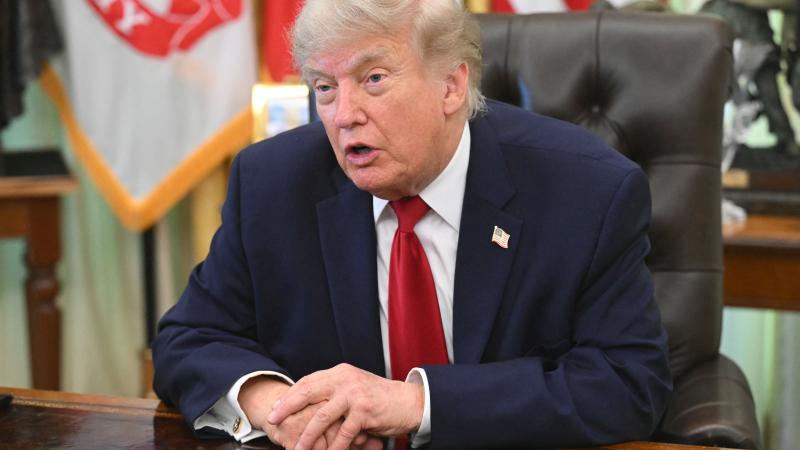
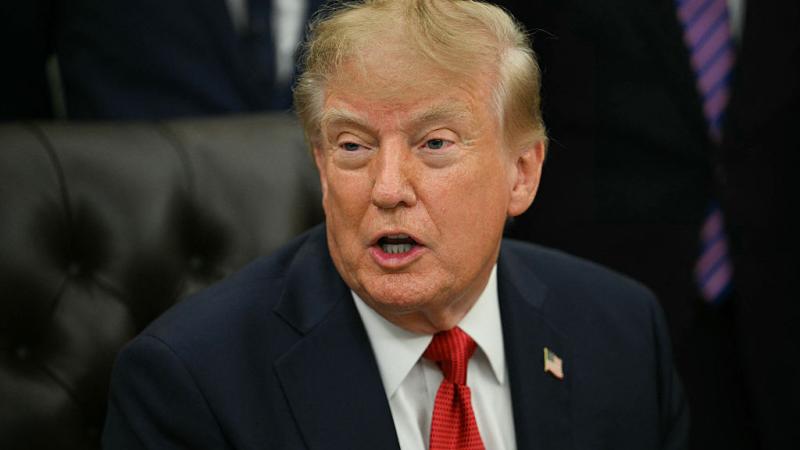
President Donald Trump kicked off an affordability tour in Pennsylvania on Tuesday, and among the concerns he’s discussing at the events is the cost of energy.
It’s a big concern for Americans. A recent poll conducted by Ipsos, a marketing research and consulting firm, found that 73% of U.S. residents were concerned about increases in their electricity and gas bills this year.
A new analysis by Always On Energy Research and the Institute for Energy Research shows that residents of blue states see higher electricity bills than those of red states, and the main reason is the blue states have stricter renewable energy policies.
Presidential preference and energy rates
Using data from the U.S. Energy Information Administration, the analysis found that 86% of states with electricity prices above the national average in the continental U.S. voted for a Democratic nominee for president in the 2020 and 2024 elections, while 80% of those who voted for a Republican nominee in those years had the lowest electricity prices.
The correlation between voter preference for president and electricity prices is interesting, but it doesn’t prove any causal relationship. To get closer to the cause, the analysis highlights five states: California, Florida, Louisiana, Kentucky and New York.
Blue state mandates
New York has one of the most aggressive climate laws in the U.S., which requires the state to produce 70% of its electricity from renewable sources by 2030 and 100% by 2040. Electricity rates in the state are 58% higher than the national average.
Added to that, New York shut down the Indian Point nuclear power plant, banned fracking and denied permits for needed gas pipelines. While restricting the supply of electricity, the state also has building electrification mandates, which increases demand. In addition, ratepayers effectively pay a tax on carbon dioxide emissions as part of the Regional Greenhouse Gas Initiative.
California is on a similar trajectory, with renewable mandates, nuclear plant closures and programs that allow homeowners with rooftop solar to sell their excess electricity back to the grid. Residents of the Golden State pay double the national average electricity rate.
The state currently has a target for 100% renewable energy by 2045. As it shifts its grid to run primarily on intermittent energy sources, it’s also mandating that all cars sold in the state be electric by 2035. This will add even further demand for electricity on the state’s grid.
Red state fossil fuels
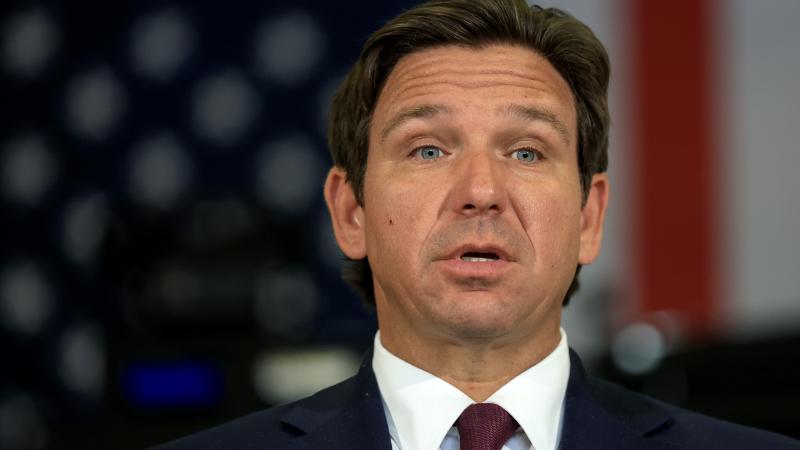
Florida’s electricity rates, by comparison, are 2% below the national average. Florida set a goal of 100% renewable energy by 2050. But last year, Florida GOP Gov. Ron DeSantis signed a law that begins repealing the mandate. The state currently gets 75% of its power from natural gas.
Louisiana has the third-lowest electricity rate in the U.S. and gets 73% of its generation from natural gas turbines. It also hasn’t attempted to implement renewable energy goals.
Likewise, Kentucky’s electricity rates are 21% lower than the national average. The state gets 67% of its electricity from coal and 26% from natural gas, and it also has no renewable energy requirements.
Rate increase requests explode
Isaac Orr, vice president of research for Always On Energy Research, and Mitch Rolling, director of research for Always On, did a deeper dive into electricity rates on their “Energy Bad Boys” Substack.
In one article, they noted that rate-increase requests from public utilities have exploded since 2020, jumping 200% in one year. While Covid could explain the jump for the 2020-2021 period, the upward trend continued through 2025. Meanwhile, the rate by which utility commissions approved the requests also increased.
Orr and Rolling analyzed the rate increase requests for the utilities with the largest requests in 2025. In each case, the utilities’ requests blamed the need on clean energy and climate goals, transmission investments to support clean energy, electrification costs and investments in wind, solar and batteries. Conversion of coal plants to natural gas, as well as increased demand, were also cited as reasons in the cases.
In a separate analysis, Orr and Rolling found that states with clean energy mandates sought 32% higher rate increase requests since 2020 than those without.
Hidden costs of wind and solar
Despite the strong correlation between renewable energy and rising rates, renewable energy proponents often claim that wind and solar are cheaper than fossil fuels. The analyses that come to that conclusion, such as one from the International Renewable Energy Agency, which was reported in outlets such as Reuters, use a metric called Levelized Cost of Energy.
As Energy Secretary Chris Wright explained recently on CNN, the metric doesn’t include all the costs associated with placing intermittent sources on the grid and making them work reliably to daily demand curves. These costs can include more transmission lines to connect disparate wind and solar farms to the grid or battery storage facilities. While the fuel for wind and solar is free, these costs eat up those savings and add extra costs.
Baptists and bootleggers
Orr told Just the News that utilities have been on board with the net-zero mandates for decades, because it’s profitable. Utilities are allowed to charge enough to cover their cost of providing service, plus a government-approved profit of 5% to 10% on their capital investments.
“As a result, since around 2012, there has been a Baptists and bootleggers relationship with utilities and the extreme environmental groups who push the net-zero agenda. Utility folks were happy to say that wind and solar were cheap so long as the public believed it, but now prices are rising, the public is unhappy about it,” Orr said.
Utilities also want to spend billions to meet the growing need for data centers and artificial intelligence. This, Orr said, is shifting the conversation to allow utilities to acknowledge that their previous resource plants are driving up costs.
Rolling said that the utilities often try to defend the cost increases as improving reliability, but in practice, the statement acknowledges the underlying issue.
“After years of retiring reliable generators in favor of resources that rely on the weather, they are now scrambling to ensure system reliability, especially with historic load growth projected in the coming years. Unfortunately, consumers are now footing the bill for years of misplaced priorities,” Rolling said.
Impact of subsidies
Media outlets and some Democrats have tried to blame Trump’s One Big Beautiful Bill Act for electricity rate increases.
"Yet again, actual data show wind and solar are the least expensive power on the grid (and getting cheaper by the day). So the Trump administration is just lying about that," Rhode Island Democratic Sen. Sheldon Whitehouse said Monday in an X post that included a graphic by the financial adviser firm Lazar titled "Wind and Solar Are Now Cheaper." Lazard is the most popular levelized cost of energy analysis.
The OBBBA will phase out production and investment tax credits over the next decade, but that hasn’t begun yet. So, Orr and Rolling argued, the law can’t impact current electricity rate increases.
Orr said it’s hard to know if that will ever happen. The Production Tax Credit, which was originally intended to spur a nascent industry, has been extended 11 times since 1992. The OBBBA, Orr said, didn’t end the subsidies. It only moved the phase-out date.
“Given the three-decade track record of extending these subsidies when they are supposed to expire, I think there is a chance the phase-out won't actually happen, which is why we advocated for an immediate end to these subsidies earlier this year,” Orr said.
If and when subsidies expire
He added that, even if the subsidies do expire, states’ renewable energy mandates will remain. Those states will likely see the highest rate increases, because the federal taxpayer will no longer subsidize state ratepayers.
Rolling said that grid planning has been heavily influenced by utilities pursuing these subsidies, rather than providing affordable and reliable service to consumers.
“The result is that whatever ‘savings’ the subsidies have provided have been more than offset by the hidden costs of maintaining reliability on grids that increasingly rely on weather-dependent resources,” Rolling said.
He said that, if and when the tax credits are ended, grid planning will realign with the needs of consumers, “who care mostly about always-on, always-affordable electricity.”
Kevin is the energy reporter for Just The News. You can follow him on X for more coverage.
The Facts Inside Our Reporter's Notebook
Links
- Trump kicked off an affordability tour
- recent poll
- new analysis
- Always On Energy Research
- Institute for Energy Research
- Regional Greenhouse Gas Initiative
- begins repealing the mandate
- Energy Bad Boys
- one article
- separate analysis
- International Renewable Energy Agency
- outlets like Reuters
- Energy Secretary Chris Wright explained
- Utilities are allowed
- Baptists and bootleggers relationship
- Media outlets
- some Democrats
- tried to blame
- extended 11 times since 1992
- follow him on X

Top Stories




Trending
Just the News Spotlight
Just News, No Noise