Related Articles
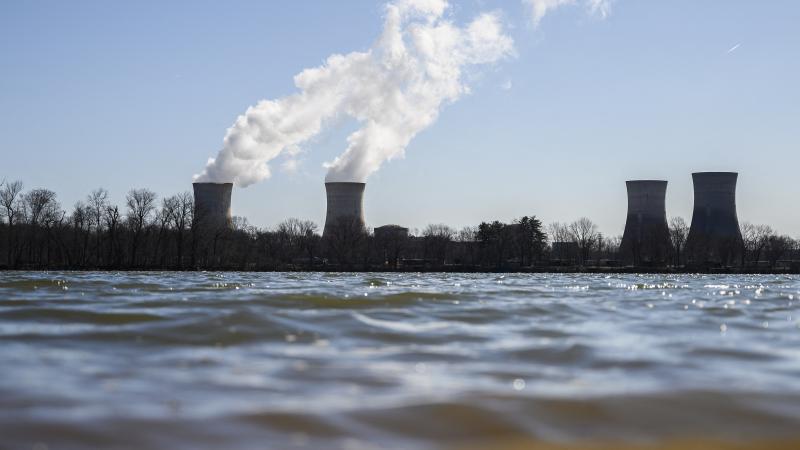
The UAE explained that the move is part of a vision for the country's economic future, suggesting its ties to OPEC was in conflict with its national interests.
The United Arab Emirates announced on Tuesday that it would be exiting the Organization of the Petroleum Exporting Countries (OPEC).
The decision, state-run media reported, is part of a vision for the country's economic future, suggesting its ties to OPEC are in conflict with its national interests.
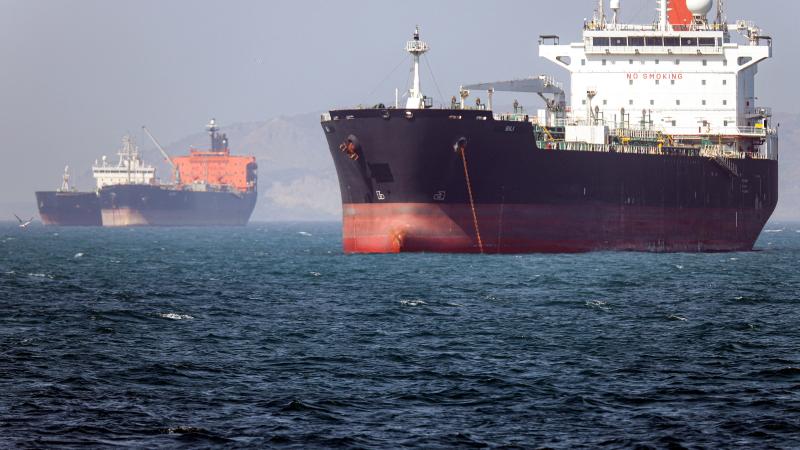
The announcement referred to the "near-term volatility" stemming from disruptions in the Strait of Hormuz during the U.S-Iran conflict.
"A stable global energy system depends on flexible, reliable, and affordable supply. The UAE has invested to meet evolving demand efficiently and responsibly, prioritizing stability, affordability and sustainability," the UAE said in a statement.
Abu Dhabi joined OPEC in 1961, and the full UAE has been a member since the territory gained independence from Britain in 1971.
OPEC is an organization of oil-producing states whose industries are almost entirely nationalized, allowing the members to coordinate production and control global oil supplies. Explosive growth in oil production in the U.S., whose oil industry is entirely privatized, broke the ability of OPEC to control global oil markets. Over the past decade, the U.S. has become the largest producer of oil and gas in the world.