Related Articles
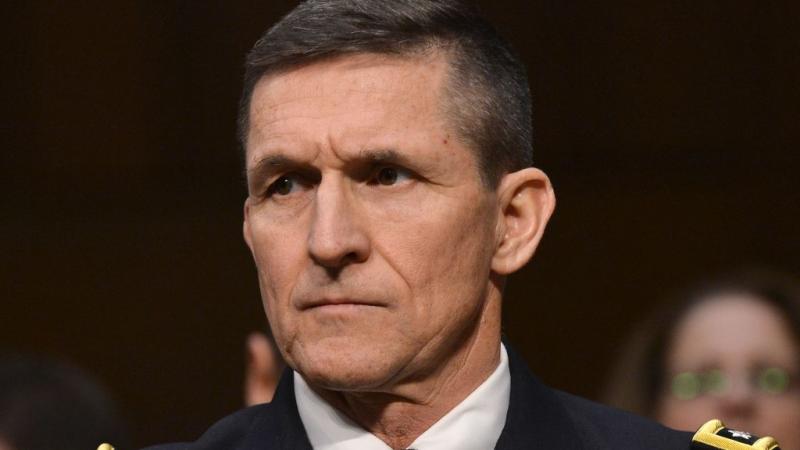
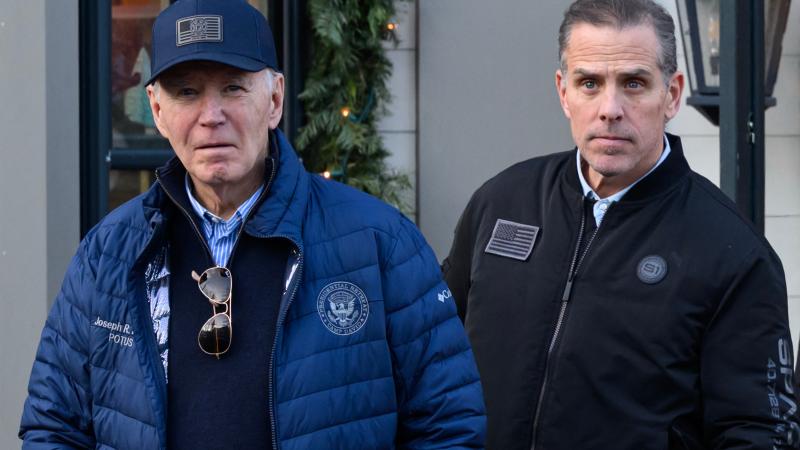
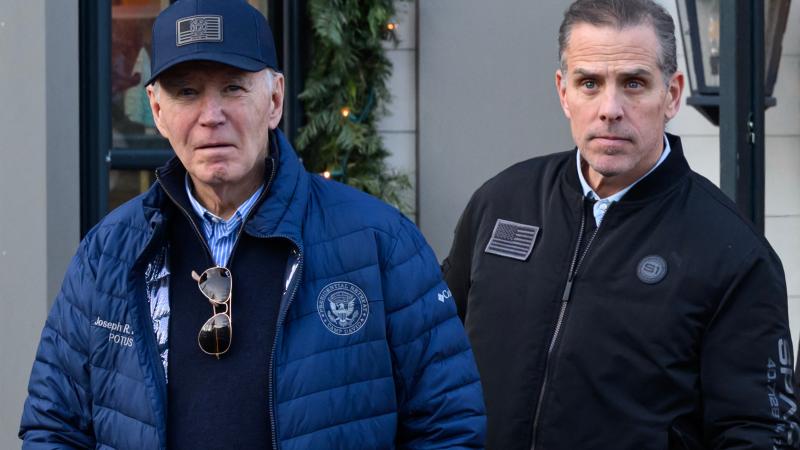
Newly declassified State Department emails and documents show former U.S. Ambassador Marie Yovanovitch received frequent briefings from top aides on Burisma and Hunter Biden, conflicting with her congressional impeachment testimony. Internal emails also show her deputy in Kyiv believed the Burisma/Biden relationship was adversely affecting U.S. policy.
Former U.S. Ambassador to Ukraine Marie Yovanovitch, one of the Democrats’ star witnesses in their first impeachment of Donald Trump, received repeated briefings, emails and memos related to the Ukrainian energy company that employed Hunter Biden, according to declassified documents that directly conflict with her and other witnesses’ testimony in the failed bid seven years ago to remove the president from office.
The documents released Friday by the White House Government Transparency Task Force show Yovanovitch and her aides were apprised of corruption concerns about Burisma Holdings, efforts by the company to repair its image or curry U.S. favor that would not “pass The Washington Post sniff test” and even a bid to get the Trump administration to approve a U.S. visa for Burisma’s controversial owner Mykola Zlochevsky, who was banned from American travel.
The memos provide a stark contrast to Yovanovitch’s testimony that the Biden-Burisma matter “just wasn’t a big deal” during her tenure as ambassador, and that she wasn’t briefed by staff on the issues surrounding Joe Biden’s son except for an initial briefing book during her 2016 Senate confirmation and what she read in the news media.
Yovanovitch and her top aides engaged in dozens of communications between 2016 and 2019 about Burisma, Hunter Biden, Zlochevsky and efforts by their legal defense teams and lobbyists to make investigations go away or curry favor for a company the State Department deemed to be corrupt, according to the documents the task force released, and additional memos obtained by Just the News under open records litigation.
A newly declassified email between Yovanovitch and her top deputy in Kyiv, George Kent, also directly challenges the primary argument Democrats made at the late 2019 House impeachment, namely that Hunter Biden’s relationship with Burisma had no impact on U.S. policy, and therefore it was wrong for Trump to seek investigations into the Burisma scandal.
“The real issue to my mind was that someone in Washington needed to engage VP Biden quietly and say that his son Hunter's presence on the Burisma board undercut the anti-corruption message the VP and we were advancing in Ukraine b/c Ukrainians heard one message from us and then saw another set of behavior with the family association with a known corrupt figure whose company was known for not playing by the rules,” Kent wrote to Yovanovitch on Nov. 22, 2016.
Just the News first reported on that email while it was still classified, but the White House has now declassified it.
You can read all the documents below:
Burisma Holdings, an energy company in Ukraine, employed Hunter Biden on its board of directors and was at the center of allegations that former Vice President Joe Biden had exploited his influence over the United States’ policy in Ukraine to shield the company from a Ukrainian corruption investigation into its founder, the Ukrainian oligarch Zlochevsky. State Department officials, including Kent, believed Burisma and its founder to be corrupt.
In her Oct. 11, 2019 testimony at the height of the Trump impeachment, Yovanovitch told congressional investigators that she did not recall embassy staff briefing her on the Hunter Biden and Burisma situation beyond what she was told in a pre-confirmation hearing preparation session.
“Once you arrived in country did the embassy staff brief you on issues relating to Burisma?” an investigator asked the ambassador.
“No, it was — it was not. I don't recall that I was briefed on that,” Yovanovitch answered. She later added that “it just wasn’t a big deal.”
In her public impeachment testimony, Yovanovitch told lawmakers that “all I can tell you is it was a long time ago, and it just wasn’t a big issue,” referring to the Burisma investigation. “I may have had other information, but I don’t recall how I had that impression [...]" she added.
Yet, evidence has emerged in the years since suggesting that Yovanovitch, who was removed from her post by Trump in May 2019 and later retired from the foreign service, knew more about the company than she let on during her impeachment testimony.
For example, State Department memos unearthed under a Freedom of Information Act request by Just the News showed Yovanovitch’s embassy in Kyiv, including the ambassador herself, was engaged in several discussions and meetings about Burisma as the gas firm scrambled during the 2016 election and transition to settle a long-running Ukrainian corruption investigation and to polish its image.
Yovanovitch, for instance, was specifically warned in an email by her top deputy in September 2016 — three years before her testimony — that Burisma had hired an American firm with deep Democratic connections called Blue Star Strategies to “rehabilitate the reputation” of the Ukrainian gas firm and that it had placed “Hunter Biden on its board,” the memos showed.
Yovanovitch also met with Burisma executive Vadim Pozharskyi on at least two occasions, according to photographs obtained by Just the News from an archived version of Burisma’s now-defunct website.
In February 2017, U.S. Deputy Chief of Mission in Ukraine George Kent, under Yovanovitch, sent an email to the ambassador advising her that “the Burisma campaign of engagement continues.”
The diplomatic official was responding to a message from former CIA and State Department official turned Burisma board member Cofer Black, who requested a meeting with Yovanovitch, the new emails show.
“Dear Sir - I am Cofer Black who served at State …” Black wrote to Kent. “I am a new board member at Burisma Energy and plan to be in Kiev 15, 16, 17 March and would like to pay a courtesy call to introduce myself.”
Black’s outreach efforts coincided with a comprehensive public relations campaign by the Democratic Party-aligned firm, Blue Star Strategies. Hunter Biden was serving on Burisma’s board two years earlier when public scrutiny of Burisma ramped up amid rumors of a renewed corruption probe. Just the News previously reported connections between the energy company and Blue Star to implement a legal defense plan for the company first devised by Biden’s law firm.
Blue Star would later lead an effort to rehabilitate the company’s image in the face of a persistent perception within the State Department that it was corrupt.
Yovanovitch’s email correspondence with Kent and her other deputies in Kyiv show the ambassador received relatively frequent updates on Blue Star’s efforts to do just that in the two years before the impeachment saga, calling into question the completeness of the recollection she gave to lawmakers.
In August 2017, for example, one embassy employee forwarded a “one pager” regarding the criminal case against Zlochevsky. That briefing memo, which was included in the documents released by the White House, details the U.S. government's own involvement in the case against the oligarch, centered on corruption and bribery allegations.
“The USG was involved in a joint British and American effort to seize $23 million belonging to former Minister of Ecology Mykola Zlochevskyi,” the memo reads. “The USG involvement included FBI investigative support that developed information indicating two companies controlled by Zlochevskyi transferred almost $13 million in funds through U.S. financial institutions.”
According to Ukrainian authorities, Zlochevsky, who oversaw Ukraine’s oil and natural gas industries while in government, “awarded permits and certain rights to oil and natural gas to companies he controlled,” the briefing says. Authorities alleged that Zlochevsky kept $23 million in kickbacks from the scheme in a U.K.-based bank account.
Though Zlochevsky's assets were temporarily frozen, Ukrainian prosecutors eventually notified British authorities that they would drop the case against the former official. According to Kent, the about-face was no accident. In February 2015, Kent reported to the U.S. Justice Department evidence that Burisma had made a $7 million cash bribe to Ukrainian prosecutors before those same prosecutors killed the corruption probe and called off the U.K.
Also in February 2017, the McCain Institute asked Yovanovitch for her view on a proposal from Burisma, which was offering to fund a McCain Institute program to conduct a “two-week Leadership Development and Professional Capacity Building program” for Ukrainian prosecutors that the energy company would fund, according to one of the emails.
In response, the communications show that Yovanovitch sought Kent’s help to draft a letter about the State Department’s concerns with Burisma and the corruption allegations against Zlochevsky. “A company which has been previously investigated by the [Ukrainian prosecutors office] providing funding for training to [the prosecutors] by US organization? Oi-yoi-yoi,” Kent replied, understanding the irony.
“[The] below idea would not pass the Washington Post sniff test,” he added.
Early on in his tenure on the Burisma board, Hunter Biden helped the company recruit Blue Star Strategies to rehabilitate the company and the image of its founder Zlochevsky, including lobbying the U.S. embassy to get his visa restored. Blue Star principals met repeatedly with State Department officials and sought to present their case directly to Yovanovitch, the new emails show.
In January 2018, Kent forwarded a request to Yovanovitch from Blue Star Strategies for a meeting with the ambassador. In that request, Blue Star said: “I have two other issues we would like to discuss one of which involves a visa situation. We would very much appreciate a meeting next week.”
By February 2018, Kent informed Yovanovitch that Ukraine’s chief prosecutor, Yuri Lutsenko, “has fully cleared Burisma of all cases, and Zlochevsky returned to Ukraine’s public life this week allegedly for the first time in four years in conjunction with that.”
But, another email, sent on Sept. 8, 2018, shows that Yovanovitch’s principal deputy, George Kent, continued to mention the Burisma case to Yovanovitch up until September that year, after he transitioned to a more senior State Department role. Kent’s private communications with Ambassador Yovanovitch indicate he believed Hunter Biden’s work for Burisma was impacting U.S. policy in Ukraine, especially the Obama administration's anti-corruption agenda.
The documents also call into question Kent's impeachment testimony when he told lawmakers in 2019 that, though he warned Hunter Biden’s role at a Ukrainian company posed the “appearance of a conflict of interest,” it did not influence U.S. policy towards Ukraine. Kent later reiterated these claims in 2020 testimony before the Senate.
“Did a conflict of interest influence Obama administration policy decisions with respect to Ukraine and Burisma Holdings?” a congressional investigator asked Kent in November 2019.
“In my view, no,” he replied.
Kent also told lawmakers that he raised concerns with Vice President Biden’s office in February 2015 about the poor public perception of Hunter Biden’s role.
“I raised my concern that Hunter Biden's status as a board member could create the perception of a conflict of interest. Let me be clear, however, I did not witness any effort by any U.S. official to shield Burisma from scrutiny,” Kent testified.
The narrative had become so problematic that Kent said the U.S. Embassy in Kyiv should engage in discussions with the vice president’s office directly and raise concerns that the younger Biden’s work undercut U.S. policy. It was at that point that Kent sent the email to the ambassador, arguing the vice president’s son had “undercut” U.S. anti-corruption policies in Ukraine.
Editor's Note: John Solomon is working as an unpaid Special Government Employee as the chairman of the White House Government Transparency Task Force and has taken a leave of absence as Editor-in-Chief of Just the News while he serves in that role.