After years of requests, feds still won't explain plunge in people taking COVID vax second dose
Administration has repeatedly irked presumed allies on COVID vaccine policy, from its silence on reported 32 million Americans skipping second mRNA dose to convincing Supreme Court to leave alone New York vaccine mandate with no religious exemption.
Speculation has been rife for five years about the surprisingly large number of Americans who skipped the second dose of an mRNA COVID-19 vaccine.
Months into the jabs' broad availability in 2021, the Centers for Disease Control and Prevention estimated five million people, or 8% of COVID vaccine recipients, had stopped with a single jab. Some of them told The New York Times they feared side effects, felt protected by one dose or their vaccine provider had run out of second doses.
The number ballooned to nearly 32 million within a year, according to calculations of CDC data by the Informed Consent Action Network, which asked the agency Feb. 7, 2022, to give an explanation. It said vaccine safety monitoring platforms such as the federal VAERS and v-safe suggest "reactions from mRNA vaccines could be the most parsimonious explanation."
The feds have yet to share what they know about the disparity across the Biden and second Trump administrations, despite repeated requests by ICAN, the group's lawyer Aaron Siri fumed Tuesday after getting a perfunctory response letter from the Food and Drug Administration Monday, more than four years after ICAN's second request.
"For information regarding vaccination patterns and the data referenced in your inquiry, we recommend directing your questions" to the CDC, whose in-house journal Morbidity and Mortality Weekly Report "may address the specific information you are seeking," reads the unsigned letter from the FDA's Center for Biologics Evaluation and Research.
"Different admin, same nonsense," Siri wrote on X. If the FDA really "takes vaccine monitoring seriously," as its letter says, "it would have a fulsome and substantive response to our question, not more empty words and finger-pointing at CDC," which has simply ignored ICAN's requests for four years, he said.
Activist Erica Samp, who claims Moderna's mRNA vaccine gave her "debilitating side effects," said her Freedom of Information Act request related to mRNA vaccine maker Pfizer was finally answered a year later and that she's been given an October estimate for a FOIA production related to Moderna.
"FDA and CBER are playing shell games," Samp said.
The FDA response came less than two months after Karim Mikhail, a 22-year veteran of vaccine behemoth Merck, took the reins of CBER as acting director. Mikhail joined the agency last year as then-Commissioner Marty Makary's senior adviser.
His CBER predecessor Vinay Prasad's high standards for drug approval and willingness to question COVID vaccine safety put a massive target on his back with the pharmaceutical industry. The Wall Street Journal falsely reported he was under investigation for sexual harassment and waited three weeks to quietly correct its falsehood.
Neither the FDA nor CDC answered requests for their response to Siri's allegations about stonewalling ICAN's requests to explain the second-dose dropoff.
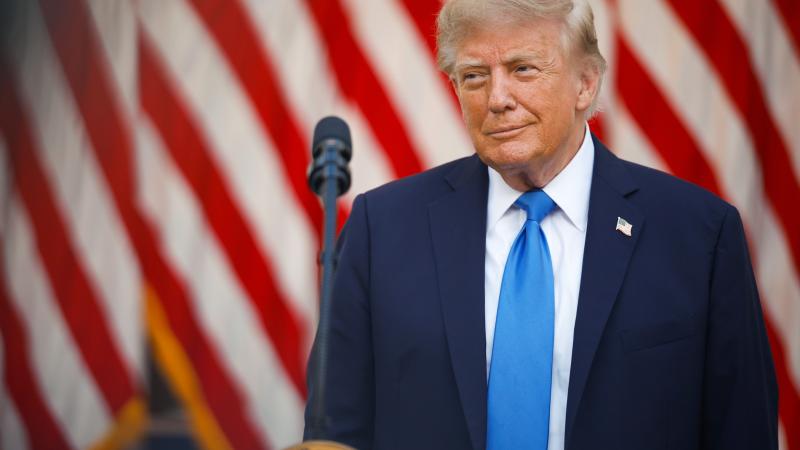
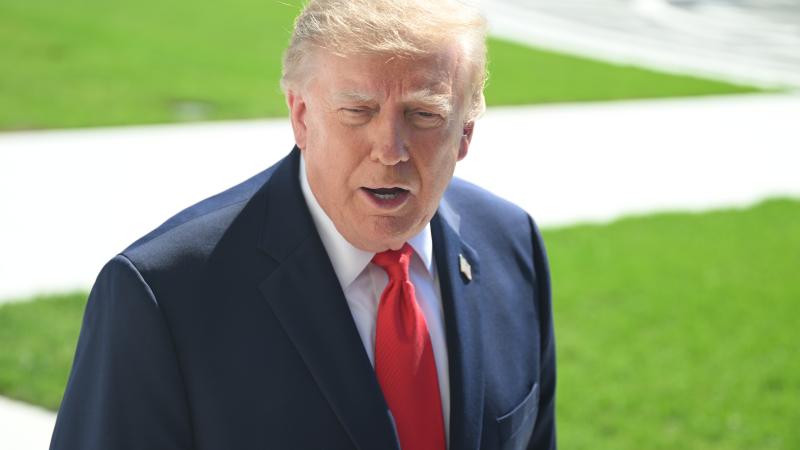
It's the latest perceived insult from the Trump administration toward constituencies historically supportive of vaccine skeptic and Health and Human Services Secretary Robert F. Kennedy Jr., who threw his Make America Healthy Again movement behind Donald Trump's third run for president.
Kennedy gave supporters a long-awaited victory Tuesday, however, by starting the clock on terminating COVID emergency use authorizations dating back to 2020, to show Americans their regulatory system is "transparent, accountable, and rooted in the rule of law" – a veiled swipe at the prior administration, which didn't touch COVID EUAs.
It will still take 12 months for EUAs to end for drugs and biological products, and 180 days for medical devices, "following advance notice periods to ensure an orderly transition," HHS said.
DOJ gets its way with SCOTUS to protect New York vaccine mandate
The Trump administration has also repeatedly aggravated pro-life groups, reliable allies for Republican administrations going back to the Reagan administration.
The Department of Justice is fighting Louisiana to protect the Biden administration's mail-order abortion pill regime, insisting the FDA will reconsider mifepristone's dispensing conditions – requiring in-person visits is politically popular – following a safety review unlikely to finish before midterm elections. It convinced the Supreme Court to lift an injunction against mail-order mifepristone.
DOJ also apparently persuaded the high court against reviewing the constitutionality of New York's onetime ban on religious but not medical exemptions from mandatory COVID-19 vaccinations for healthcare workers, by telling the justices the mandate didn't violate federal law.
Four justices must vote to accept a case, and three of them dissented from its refusal to hear the New York case Tuesday.
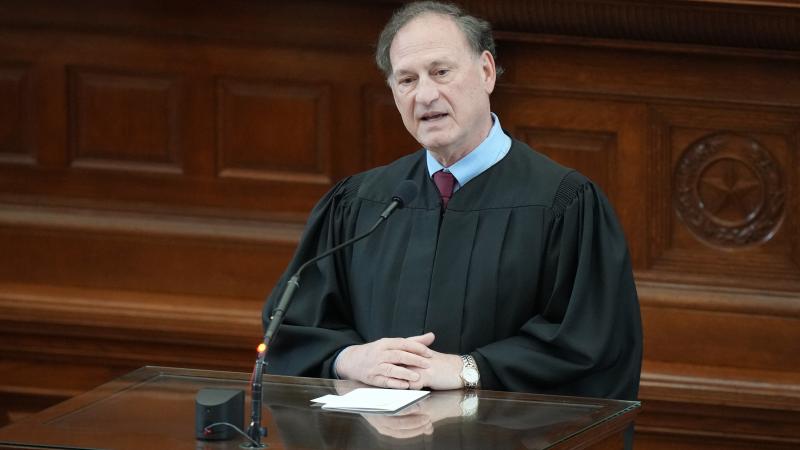
Justices Clarence Thomas, non-retiring Samuel Alito and Neil Gorsuch faulted colleagues for spurning a "widespread, entrenched" split in the federal appeals courts over whether laws with secular-only exemptions – in this case, medical exemptions — "can ever be neutral and generally applicable."
As Gorsuch wrote in 2021 when the high court did not temporarily block New York's mandate, "allowing a healthcare worker to remain unvaccinated undermines the State’s asserted public health goals equally whether that worker happens to remain unvaccinated for religious reasons or medical ones," the dissent authored by Thomas notes.
"The Court could give much-needed guidance by simply deciding whether that single secular exemption renders the state law not neutral and generally applicable," he wrote.
This "recurring question" keeps popping up on the court's merits docket, with many federal and state COVID emergency measures "not neutral toward religious exercise or generally applicable," Thomas said.
Citing Justice Elena Kagan's criticism of the high court using its emergency or so-called shadow docket to address weighty issues, Thomas chided colleagues for declining to "grant a petition that squarely presents the disputed question and consider it after full briefing, argument, and deliberation."
The Facts Inside Our Reporter's Notebook
Links
- The New York Times
- Informed Consent Action Network, which asked the agency
- repeated requests by ICAN
- perfunctory response letter
- Siri wrote on X.
- Moderna's mRNA vaccine gave her "debilitating side effects
- Samp said
- 22-year veteran of vaccine behemoth Merck
- Mikhail joined the agency
- Vinay Prasad's high standards for drug approval
- The Wall Street Journal
- terminating COVID emergency use authorizations
- the Biden administration's mail-order abortion pill regime
- requiring in-person visits is politically popular
- unlikely to finish before midterm elections.
- Supreme Court to lift an injunction
- telling the justices the mandate didn't violate federal law
- three of them dissented
- non-retiring Samuel Alito
- Gorsuch wrote in 2021
- Justice Elena Kagan's criticism
Other Media

Top Stories

Trending
Just the News Spotlight
Just News, No Noise