Trump, NCAA pushes Congress to pass bill before fall kickoff to overhaul federal college sports regs
The bill is a sweeping proposal to reshape the future of college athletics in the NIL era.
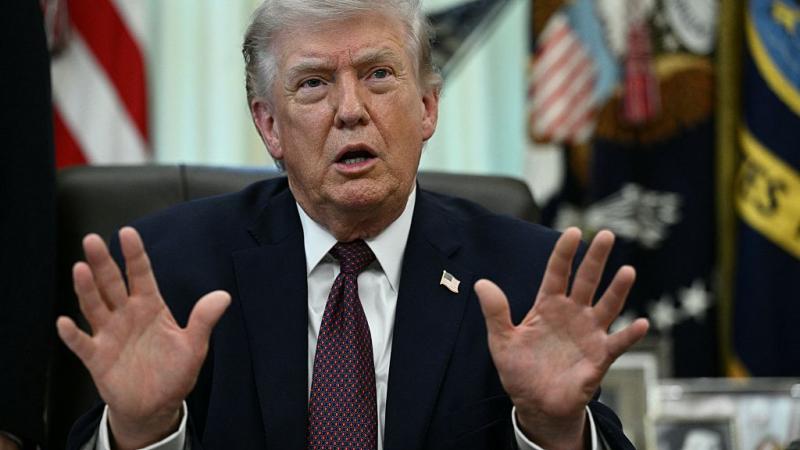
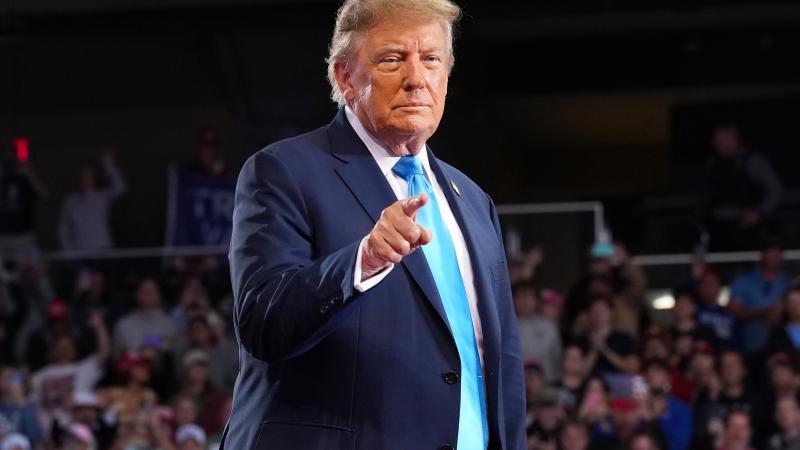
President Trump and the NCAA are increasing their pressure campaign to get Congress to pass a bipartisan, comprehensive measure to overhaul federal regulation of college athletics before the 2026-27 football season kicks off.
Trump appears to have already exerted some measure of influence, posting on Truth Social on June 4: “I urge the House and Senate to come together to pass a final Bipartisan Law, that I can sign this summer, that reflects the views and input of both chambers. “WE HAVE TO SAVE COLLEGE SPORTS!”
Two weeks later, the Senate Commerce Committee, with bipartisan support, passed the Protect College Sports bill, which aims to enshrine Name, Image and Likeness (NIL) protections in law, ban coaches from moving schools mid-season and create new transfer and eligibility standards for student athletes with bipartisan support, Politico reports in its Influence newsletter.
One of the bill's co-sponsors, Texas GOP Sen. Ted Cruz, recently told Politico he's optimistic Congress can get the bill to Trump's desk for him to sign before the college fall football season kicks off.
“I’m hoping on this, [that] we can say, ‘Let’s put aside our red shirt or blue shirt and come together and say, this is worth saving," he told the news outlet.
And NCAA President Charlie Baker, in advocating for the bill's passage in an interview aired Sunday on CBS’s "Face the Nation" said: “What we’re really trying to achieve is some sort of national framework so that you can have national championships and national competitions, in which, for all intents and purposes, everybody’s playing by the same set of rules.
However, the bill appears to face an uphill challenge in getting passed in the full Senate and in the House, amid reportedly heavy lobbying efforts on both sides.
House Majority Leader Steve Scalise recently showed some hesitation with some of the specifics in the proposed Senate bill:
“I’m glad they’re doing some work on the Senate side. But for the House to be able to take anything up, you got to prevent employment status of the student athletes,” the Louisiana Republican said in an interview with Politico.
“You also don’t want to open up all the schools to lawsuits from trial lawyers. That would make a much more litigious environment. Those are things that have been big problems on the House side.”
The legislation was introduced in early June by Cruz and Sen. Maria Cantwell, D-Wash.
The bill, if passed by Congress and signed into law by Trump, it would additionally limit athletes to one penalty-free transfer, a maximum of five years of eligibility, and prohibit schools from hiring a coach from another school in season.
Supporters say the legislation would bring stability to college sports by establishing uniform rules across the country.
Among the critics are some of the NCAA's biggest conferences and revenue generators.
Last week, the University of Texas and Texas A&M told Cruz they strongly oppose the bill. And on Monday, the University of Alabama and Auburn University issued a rare joint statement opposing the legislation, arguing it would create more uncertainty rather than less.
"The bill is presented as a way to 'stabilize' college athletics, but it would do the opposite by perpetuating the very instability it claims to cure," the schools said. They argued the legislation could invite additional lawsuits, increase federal oversight of college sports, and alter the way media rights revenue is distributed.
Former Alabama Head Coach Nick Saban supports the bill, telling members of Congress during committee hearings last month, “Congress does need to fix the mess in the courts and create a national framework, so the people inside college sports can enforce fair rules.”
The bill has support from the NCCA's ACC and the Big 12 conferences, but is opposed by the group's two largest conferences – the SEC and the Big Ten, who say it doesn't solidly preempt the patchwork of state laws” on NIL. The conferences also oppose a provision in the bill that would allow all Division I schools to pool their future media rights, posing a threat to the large conferences’ advantage. In addition, House GOP leaders argue the bill doesn't go far enough to address whether student athletes could be granted certain labor rights, Politico Also reports in its Influence newsletter.
The Facts Inside Our Reporter's Notebook
Top Stories


Trending
Just the News Spotlight
Just News, No Noise