Related Articles

The scrutiny is heightened by Gorsuch’s track record in LGBTQ-related disputes
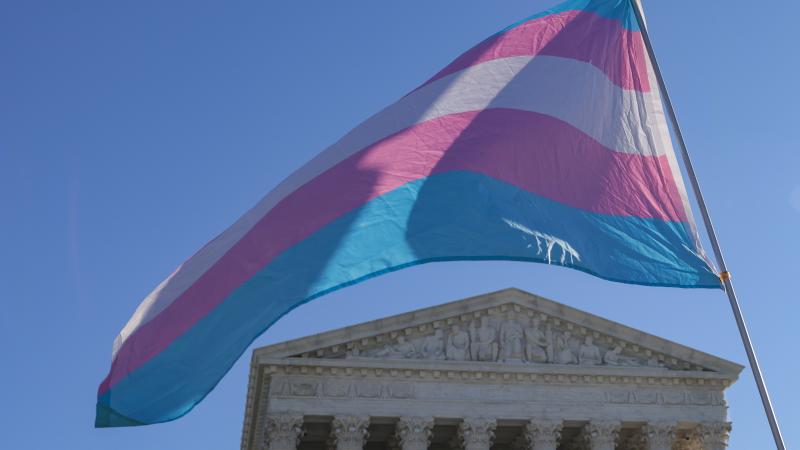
Supreme Court Justice Neil Gorsuch emerged as a focal point during oral argument on Tuesday in West Virginia v. B.P.J., a closely watched case addressing whether states may ban biological males from participating on girls’ school sports teams.
While several members of the court’s conservative bloc appeared receptive to West Virginia’s defense of its law, Gorsuch stood out for his careful and probing questioning. Unlike some of his colleagues, his questions reflected a deeper inquiry into whether Title IX’s text permits sex-separated athletic programs grounded in biological distinctions.
That line of questioning left court watchers uncertain about where Gorsuch ultimately may land. His measured approach contrasted with more ideologically charged exchanges elsewhere on the bench, reinforcing the sense that his vote could be pivotal in a closely divided case.
The scrutiny is heightened by Gorsuch’s track record in LGBTQ-related disputes. He authored the court’s 2020 decision in Bostock v. Clayton County, which held that discrimination based on sexual orientation or gender identity constitutes sex discrimination under Title VII of the Civil Rights Act of 1964. Some analysts see echoes of that textualist approach in his B.P.J. questioning, even as the case arises under Title IX rather than employment law.
A decision in West Virginia v. B.P.J. is expected later this term. The ruling could have far-reaching consequences for Title IX enforcement, state athletic regulations, and the ongoing national debate over transgender participation in school sports.