Supreme Court hears oral arguments to case involving police access to anonymous cellphone data
After seeing their suspect using a cellphone on a security camera, law enforcement served Google with the warrant, and the company provided anonymized location data in a 17.5-acre area over a two-hour period.
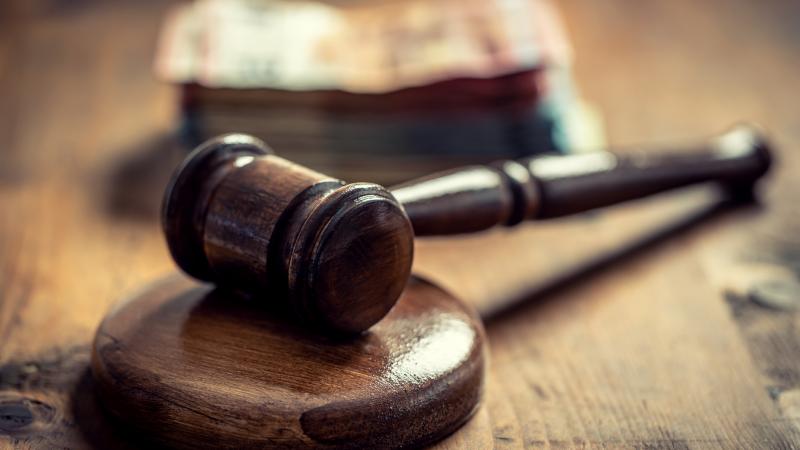
The Supreme Court on Monday heard oral arguments that could impact how law enforcement gets warrants to access cellphone data.
The justices are considering what's called "geofence warrants," which compel companies to disclose data from cellphones and other electronic devices at specified times and locations. Investigators use the warrants when they know the time and location of a crime but not the suspect's identity, The Hill reported.
The case involves Okello Chatrie who pleaded guilty in 2019 to robbing a credit union in Richmond, Virginia. His plea reserved the right to appeal a ruling that denied him a motion to suppress the evidence, which was obtained through a geofence ruling.
After seeing their suspect using a cellphone on a security camera, law enforcement served Google with the warrant, and the company provided anonymized location data in a 17.5-acre area over a two-hour period.
Chatrie's lawyers argued the use of these warrants is constitutionally problematic and violates the Fourth Amendment’s bar on unreasonable searches and seizures.
The Facts Inside Our Reporter's Notebook
Links
Top Stories


Trending
Just the News Spotlight
Just News, No Noise