Related Articles
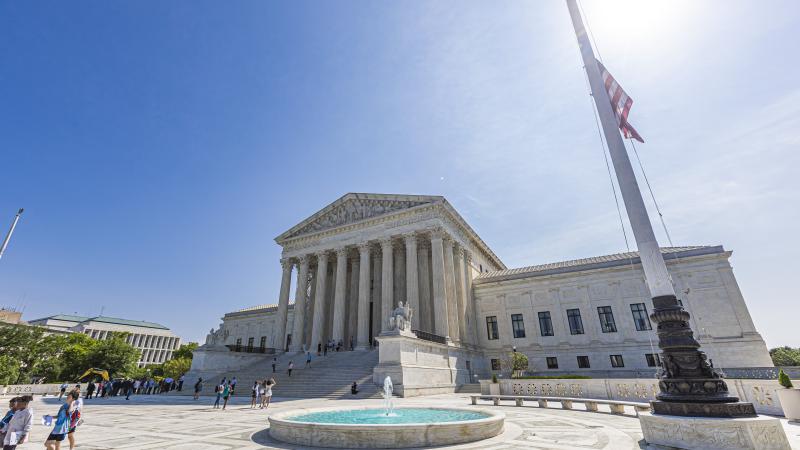


The Supreme Court sided with USPS in a split 5-4 ruling, with Supreme Court Justice Neil Gorsuch joining his three liberal counterparts in the dissent.
The Supreme Court ruled Tuesday that the federal law that shields the United States Postal Service from being sued for missing or lost mail also means the federal service cannot be sued if it intentionally refuses to deliver specific mail.
The case stems from allegations by a Texas landlord that her mail was intentionally withheld by USPS for two years, and claims she was racially discriminated against because she is black.
The Supreme Court sided with USPS in a split 5-4 ruling, with Supreme Court Justice Neil Gorsuch joining his three liberal counterparts in the dissent, according to the Associated Press.
Justice Clarence Thomas, writing for the majority, argued the federal law that protects the service from lawsuits over missing, lost and undelivered mail includes “the intentional nondelivery of mail," while Justice Sonia Sotomayor argued in the dissent that the federal law does not protect actions that were “driven by malicious reasons."
Texas landlord Lebene Konan filed the lawsuit under the 1946 Federal Tort Claims Act, which allows Americans to sue the government in certain situations. Konan claimed she lost rental income because residents moved out after USPS failed to deliver important mail such as bills, medications and car titles to the property.