Europe leaders are in rare unity over Iran but stop short of plan to tip country into instability
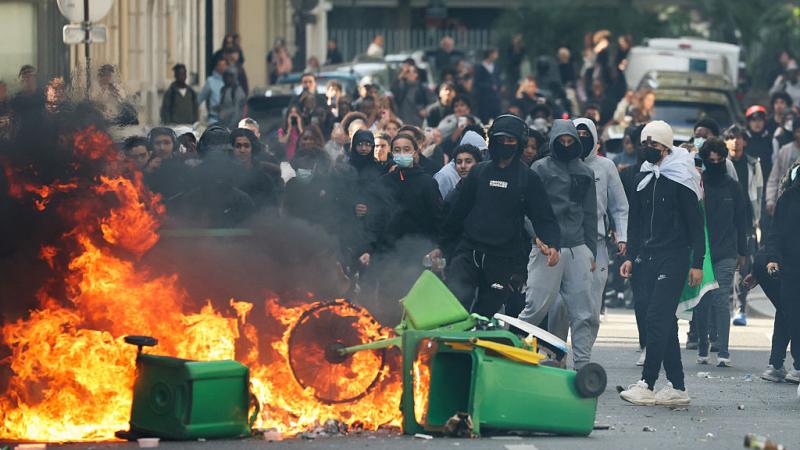
The protests touch on multiple hot-topic issues for Europeans including geopolitical instability, unpredictable energy markets, nuclear containment and fears related to mass migration.
With protests erupting across Iran, European leaders have responded with rare unity. But they have stopped short of taking concrete action that might tip the country toward instability.
From Rome to Brussels and from Paris to London, leaders have criticized what the European Union’s foreign policy chief called a “heavy-handed” and “disproportionate” response from Iranian security forces toward protesters.
Widespread protests began amid shopkeepers and merchants last month, sparked by a sharp collapse of the country’s currency and the rising cost of food and other essentials. Since then, hundreds have reportedly died as demonstrations have spread beyond the capital of Tehran and have taken on broad political overtones.
“The Iranian people are fighting for their future,” Kaja Kallas, the European Union’s High representative for Foreign Affairs and Security Policy, said via social media. “By ignoring their rightful demands, the regime shows its true colors.
“Any violence against peaceful demonstrators is unacceptable,” she concluded.
As in Washington, leaders in European capitals have criticized the latest developments in Iran, which has been under heavy international sanctions for years. The country is also in stalled negotiations over its nuclear program.
But where the two sides of the Atlantic differ is in their tolerance for risk. While the U.S. appears focused on how hard it can push the Iranian regime, European leaders are clearly gauging how much regional uncertainty they can tolerate.
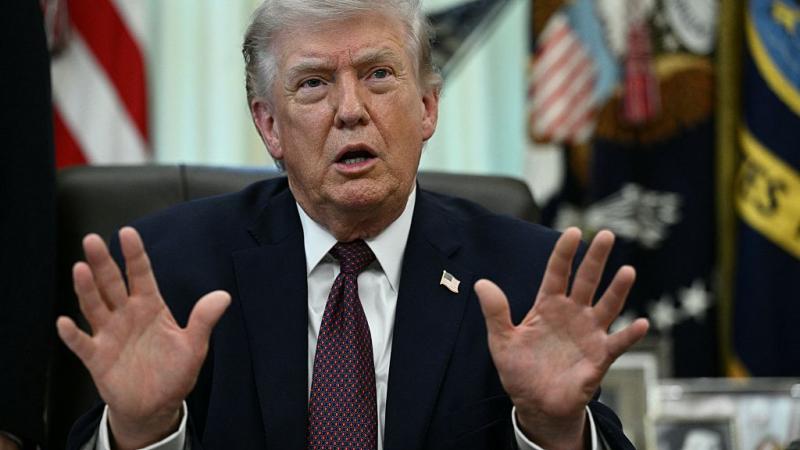
President Trump has reportedly been briefed on options to stop the Iranian government from killing demonstrators including military strikes.
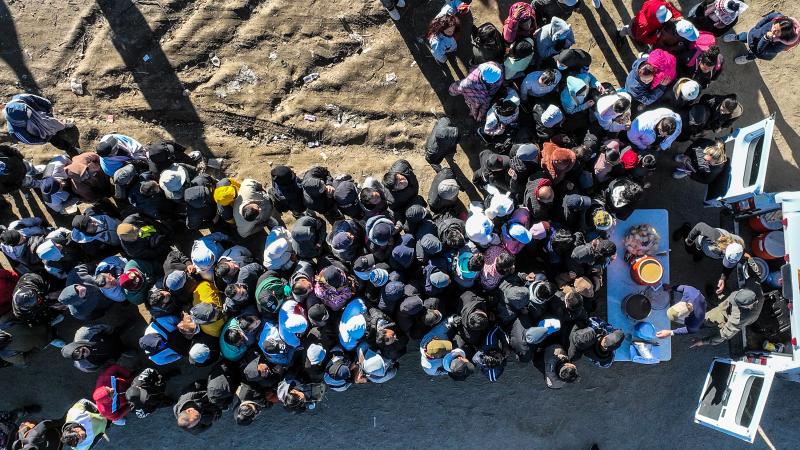
The protests in Iran touch on multiple hot-topic issues for Europeans including geopolitical instability, unpredictable energy markets, nuclear containment and fears related to mass migration.
Much of Europe’s stance is related to geography: Iran is just 1,700 miles from the closest European Union border, compared to around 7,500 miles from Iran to the closest U.S. border.
But Europe faces the problem of credibility. Leaders often speak forcefully about international issues, but they have often struggled to back that up with concrete action.
In Ukraine, for example, the European Union agreed to extend Ukraine around $105 billion in financial, military, and humanitarian support to help finance its four-year-old war with Russia. But they backed off at the last minute from a vote to seize $245 billion in Russian Central Bank assets on fears doing so could anger Russian leader Vladimir Putin.
Similarly, leaders have been vocal in their criticisms of Israel for sparking a humanitarian crisis in Gaza, including what European Union leadership has called “a disproportionate use of force” against Gaza residents and the country’s efforts to block aid shipments to arrive in the war-torn strip of land.
But European countries have stopped short of suspending arms shipments to Israel, and they have not exercised their economic leverage over Israel, even though the EU is Israel’s largest trading partner.
In total, 12 of the European Union’s 27 member states have at least partially recognized Palestine as a sovereign state, but so far such recognition on the EU level still seems far away.
According to the Paris-based National Council of Resistance of Iran (NCRI), a large and vocal Iranian dissident group, there’s a limit to how effective foreign pressure on Iran – whether from Washington or the European Union –can ultimately be.
“Although the regime ruling Iran has been severely weakened and has suffered heavy blows … its overthrow will not come from outside Iran, nor under the weight of its own failures,” Maryam Rajavi, NCRI’s leader, said in an emailed statement. “Change can only be achieved by the Iranian people themselves.”
The Facts Inside Our Reporter's Notebook
Links
- protests erupting across Iran
- hundreds have died
- said via social media
- heavy international sanctions
- negotiations over its nuclear program
- how hard it can push the Iranian regime
- how much regional uncertainty they can tolerate
- European Union agreed to extend Ukraine around $105 billion in financial, military, and humanitarian support
- sparking a humanitarian crisis in Gaza
- at least partially recognized Palestine as a sovereign state
- Maryam Rajavi, NCRIâs leader
Top Stories

Trending
Just the News Spotlight
Just News, No Noise