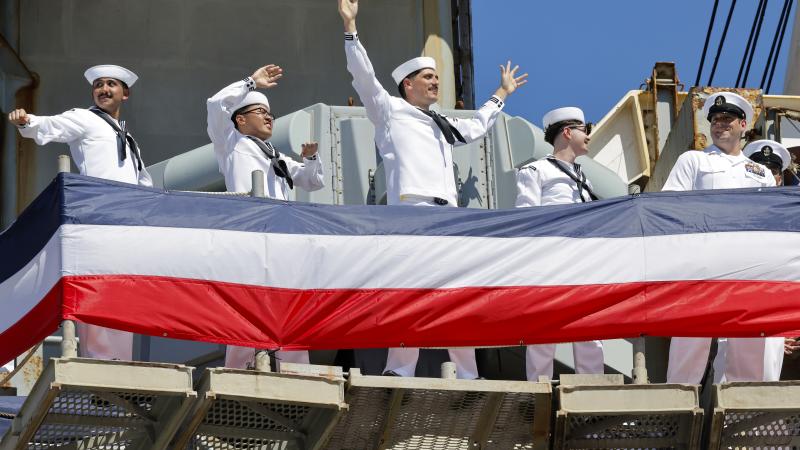
Amid efforts to improve affordability and win votes for midterms, Trump keeps eye on veterans
Alongside promising price relief for Americans, Trump has maintained the position of priority for roughly 2 million active-duty and reserve service members.
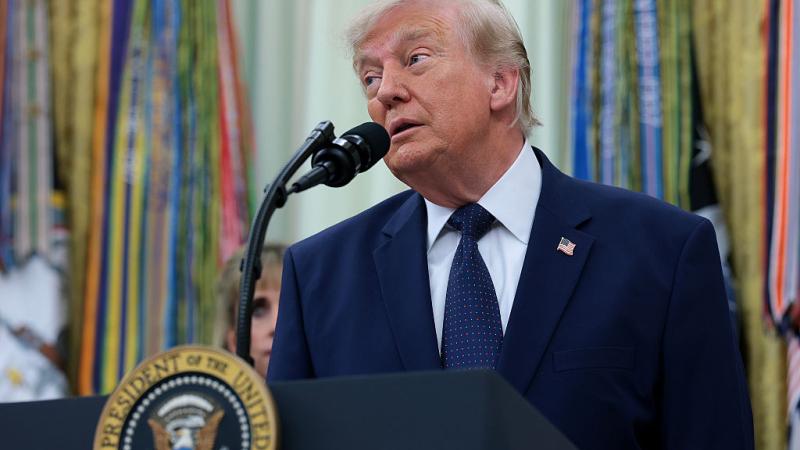
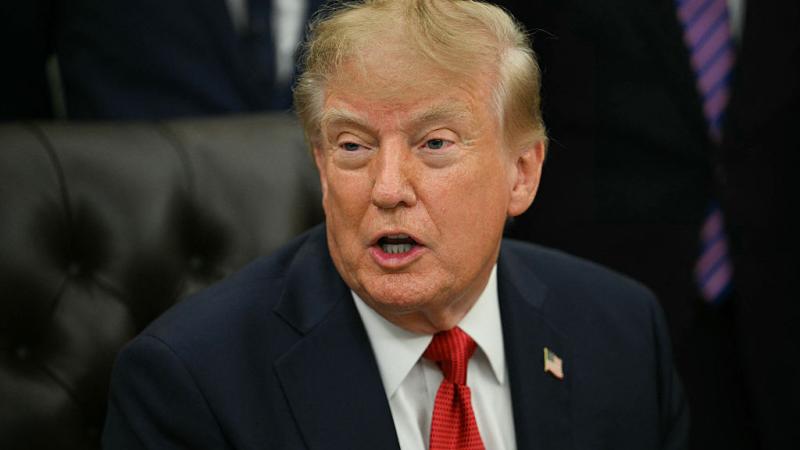
President Donald Trump signed an executive order forcing the Departments of War, Veterans Affairs and Labor to share service records beginning with the recruit’s first day and fold job placement into one portal, a move that keeps veterans at the center of his agenda even as he courts midterm voters with promised price relief for everyday Americans.
"I served 20 years and retired, and it took a year. It took a year to have my case adjudicated, all my medical records, and then they decided what my disability rating was, and so forth," Arizona State Sen. Wendy Rogers told Just The News.
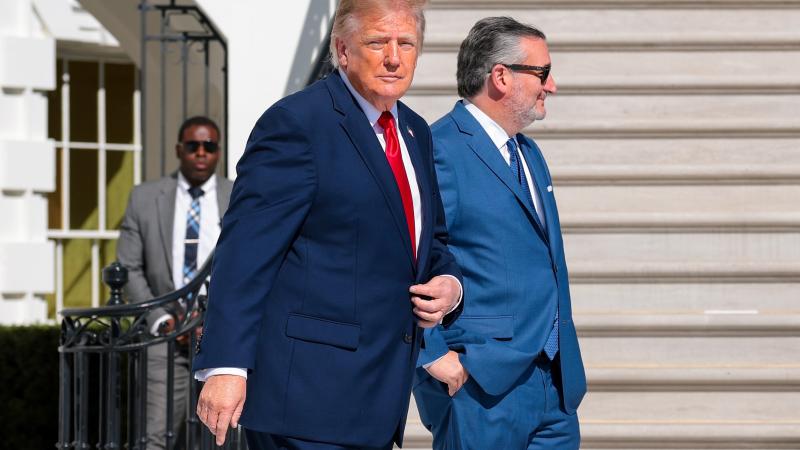
The order was quietly signed after a televised "Steel Across America" event at the White House, with less media attention and fanfare, keeping the focus on the upcoming 25th anniversary of the September 11, 2001, terrorist attacks.
The order requires the Departments of War (DOW) and Veterans Affairs (VA) to share a service member’s personnel file and medical records from the first day of enlistment through the years that person draws VA benefits; those records now take 90 to 180 days to move after discharge, delaying health coverage, disability pay, GI Bill benefits and job training.
The order gives the applicable departments 180 days to rebuild the computer systems that handle such transfers and to field digital tools, including artificial intelligence, so veterans can apply in one place.
Faster file sharing could cut another 20 to 30 days off claims for newly separated troops. The VA reports it has already reduced average disability processing from about 141 days to about 76 days in Trump’s second term. The Labor Department is also directed to overhaul initiatives such as transition assistance, so that separating service members are paired with a benefits specialist before they leave active duty.
Trump's military initiatives began in 2017 term
Service members and veterans' issues have always been a steady but often quieter focus of both Trump terms, through initiatives like reforming the VA and last year's $1,176 tax-free "war dividend" to active-duty service members.
In his first term, Trump treated veterans' policy as a signature deliverable rather than a Memorial Day talking point. He signed the VA MISSION Act, making the Choice program permanent, so veterans could see community doctors when the VA was too far or too slow.
He also signed the VA Accountability and Whistleblower Protection Act, which the White House said let the department fire or discipline employees who failed veterans. About 4,000 employees were fired, according to VA officials in 2024, after courts and a union settlement unwound part of the first-term implementation.
The VA reported that only about 3 percent of those 4,000 firings were reversed (roughly 120 people back on the payroll) and that the department paid about $134 million to some 1,700 former employees fired during the Trump years under that law.
In 2017, Trump signed the Forever GI Bill, lifting the 15-year clock on education benefits, and wiping out federal student-loan balances for veterans who were totally and permanently disabled. Officials boasted of same-day emergency mental health care at VA medical centers, a White House VA hotline, wait-time dashboards, and a sharp expansion of telehealth.
Congress, at his urging, also sent the department funding for record medical-care , including money to start replacing the VA’s aging electronic health records so that a service member’s file would not vanish in the handoff from the Pentagon.
Trump's second-term actions for military and veterans
In his second term, he has pressed that same file-handoff problem into an order, not a slogan. On Sept. 8, he signed the Accelerating Access to Veterans’ Benefits and Employment Opportunities, directing the Departments of War, Veterans Affairs and Labor to share personnel and medical records from a recruit’s first day and to rebuild the Transition Assistance Program around a single benefits-and-jobs portal, including the use of AI tools.
The VA has reported that the claims backlog, which grew during the Biden years, has been cut by more than 70% and fell below 70,000 for the first time since 2020, while average processing time dropped from about 141 days to about 76.
The department reports more than 250,000 new health-care enrollments in 2026, dozens of new clinics, evening and weekend appointments, a record year of disability decisions, and 51,936 homeless veterans permanently housed in fiscal 2025.
A separate executive order signed in May of last year launched the National Center for Warrior Independence on the West Los Angeles campus. This week the White House announced another executive order signed in July, launching the Department of Transportation’s Freedom Haulers program meant to move the insertion of veterans into commercial driving jobs more quickly.
Amanda Head is White House Correspondent for Just the News. You can follow her here.
The Facts Inside Our Reporter's Notebook
Links
- signed an order
- order
- 90 to 180 days
- cut another 20 to 30 days
- $1,176 tax-free "war dividend"
- VA MISSION Act
- VA Accountability and Whistleblower Protection Act
- Forever GI Bill
- same-day emergency mental health care
- record medical-care funding
- Accelerating Access to Veteransâ Benefits and Employment Opportunities
- AI tools
- below 70,000
- more than 250,000 new health-care enrollments
- 51,936 homeless veterans permanently housed
- National Center for Warrior Independence
- Freedom Haulers
- here

Top Stories

Trending
Just the News Spotlight
Just News, No Noise