Related Articles

The final report from the Religious Liberty Commission identified threats to religious freedom and recommended protections for Americans’ faith-based rights.
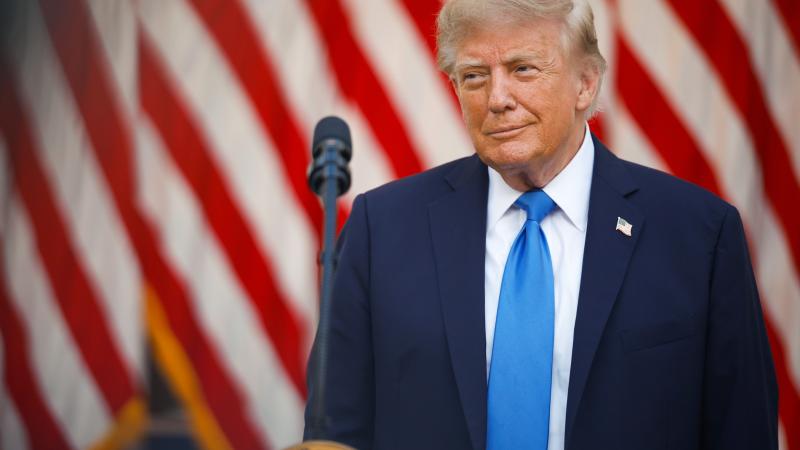
The Department of Justice (DOJ) has released a report highlighting instances of religious persecution, and offering 12 recommendations to enhance President Donald Trump's administration's commitment to protect religious liberty.
"America has a salvation in Christ. America thrives because we believe that. It doesn't mean people of other faiths aren't welcome—just the opposite. We welcome everyone, and we defend their right to practice faith the way they want," Father Frank Povone told Just The News. Povone is a well-known laicized Catholic priest and anti-abortion activist.
"But the founders, when they established religious freedom, they didn't want religion without freedom, namely a state-imposed faith, but neither did they want freedom without religion. They knew that this experiment in self-governance would succeed only if people could be virtuous, because only then can you exercise the mechanisms the Constitution gives us to elect our leaders and pass our laws and enforce them."
The final report from the Religious Liberty Commission identified threats to religious freedom and recommended protections for Americans’ faith-based rights.
Chaired by Texas Lt. Gov. Dan Patrick and Vice Chairman Ben Carson, the commission based the report off of seven hearings, with input from over 100 witnesses across diverse religions who shared experiences of persecution in schools, workplaces, the military, healthcare, and public spaces. The Religious Liberty Commission is an advisory body of the federal government of the United States tasked with creating a comprehensive report on "the foundations of religious liberty in America."
Testimonies included students bullied for Christian beliefs or pressured on gender issues, teachers ordered to hide religious symbols, healthcare workers and Navy SEALs facing job or pension losses over vaccine objections, and Jewish individuals targeted by anti-Semitism.
The report argues that despite legal protections, government officials and employers often intimidate people into suppressing their faith.
It offers 12 key recommendations, including DOJ guidance on the Establishment Clause, “Know Your Rights” posters, reporting hotlines for violations, judicial nominations favoring religious liberty cases, repeal of the Johnson Amendment, stronger anti-Semitism enforcement, military accommodations, restoration of vaccine-related benefits for service members, and new awards honoring religious liberty advocates. Trump framed the effort as essential to restoring America as “one nation under God.”
During his first term, Trump advanced religious liberty through several key actions. He issued Executive Order 13798 in May 2017, titled “Promoting Free Speech and Religious Liberty,” which directed the Attorney General to issue guidance protecting religious exercise across federal agencies and emphasized strong First Amendment compliance.
He also established the Faith and Opportunity Initiative to expand faith-based organizations’ access to federal funding and partnerships, while reversing prior restrictions on religious groups receiving disaster relief and other federal aid.
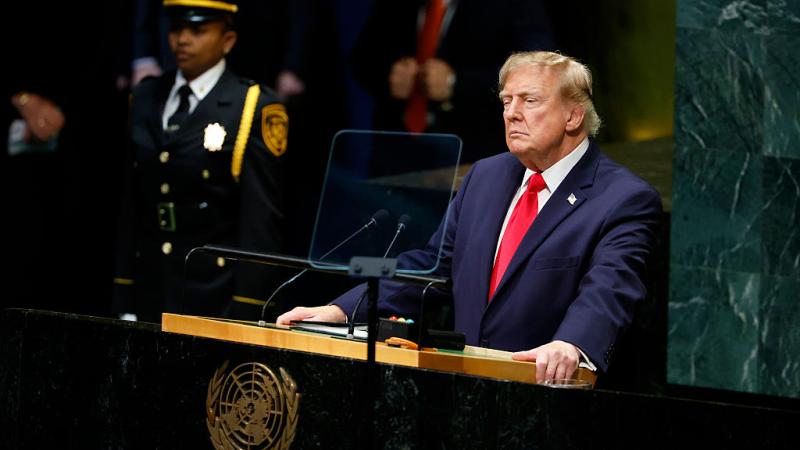
Additionally, Trump hosted the first-ever Global Call to Protect Religious Freedom at the United Nations in 2019 and signed an Executive Order on Advancing International Religious Freedom in 2020, which prioritized the issue in U.S. foreign policy and aid decisions.
His administration appointed judges and Supreme Court justices who issued rulings favorable to religious liberty claims in areas such as employment, education, and conscience protections, while the Justice Department actively defended those rights in court.
Thus far in his second term, Trump has continued and expanded these efforts. He established the White House Faith Office in February 2025 to serve as a liaison with faith communities and incorporate their perspectives into policy. He created a Task Force to Eradicate Anti-Christian Bias at the Department of Justice to address perceived targeting of Christians.
In May 2025, Trump issued an executive order establishing the Religious Liberty Commission, chaired by Texas Lt. Gov. Dan Patrick with Ben Carson as vice chairman, which conducted hearings and delivered recommendations on protecting free exercise of religion.
His administration has also directed federal agencies to combat anti-Semitism more vigorously, strengthen conscience protections, and align regulations with recent Supreme Court precedents favoring religious liberty.