Iron-clad business model: Trump ties Minnesota mine to a Mississippi mill
The ownership is foreign, but the ore, the mill and the intended customers are not. That is the political point the White House demonstrated on camera: steel will be mined in Minnesota, smelted in Iowa and sold as American metal.
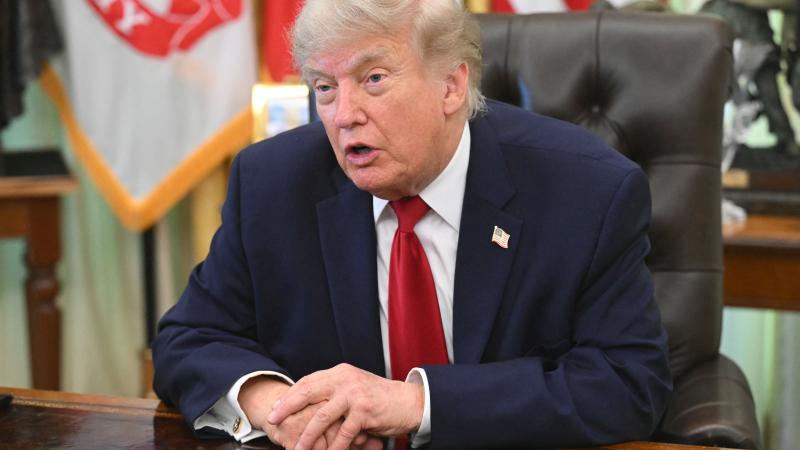
President Donald Trump on Monday announced a planned $15 billion steel mill in southeast Iowa that the White House says would be the largest ever built in the United States, pairing a new Minnesota iron mine with a Mississippi River mill and giving Republicans a hard-hat argument a month before the midterms.
The project would be developed by Mesabi Metallics, a Minnesota company owned by India’s Essar Group, and sited in Lee County, Iowa. Iron ore from the company’s newly opened mine near Nashwauk, Minnesota — described by the administration as the first new U.S. iron ore mine in 50 years — would move downriver and be turned into finished steel in Iowa. First production is targeted for 2030.
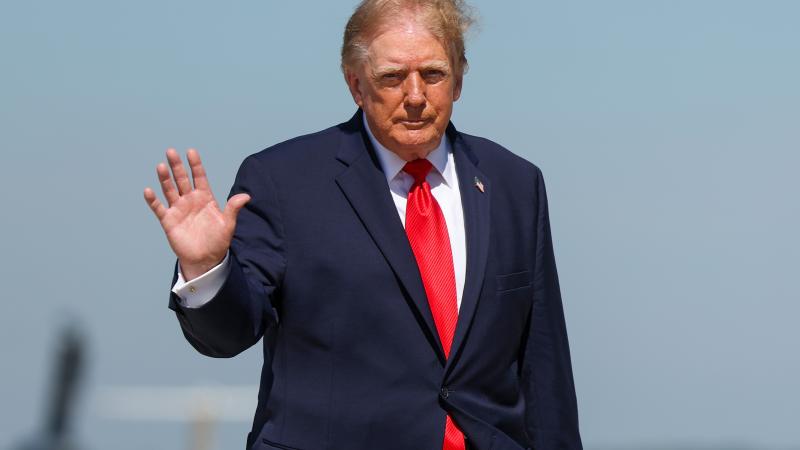
Trump, standing in the Oval Office with Essar executives and Iowa Republicans, cast the deal as proof that raising the cost of imported metal is pulling plants onto American soil, an important message for lower and middle income Americans who have lower consumer confidence due in part to perceived high gas prices. The Conference Board Consumer Confidence Index fell by 6.7 points to 81.9 (1985=100) in September, down from 88.6 in August.
References to prices, the high cost of goods and services, and oil and gas prices in particular, rose to new heights, reflecting September's surge in fuel costs.
Tariffs as the investment pitch
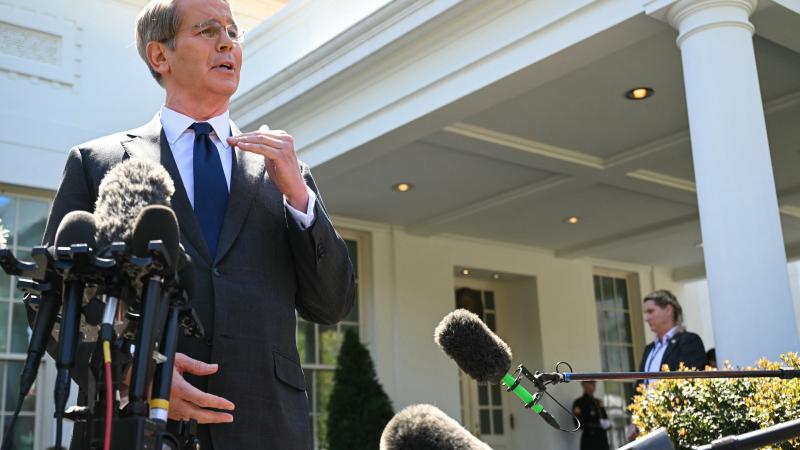
Commerce Secretary Howard Lutnick did not treat the mill as a coincidence. He tied it directly to the administration’s Section 232 steel duties, which Trump raised to a staggering 50% last year. Under Section 232 of the Trade Expansion Act of 1962, Lutnick initiated investigations to determine the effects of imports on national security.
“These are your 232 tariffs, the steel tariffs at work. Without those tariffs, this mine and steel plant doesn’t get built,” Lutnick said, arguing the United States has leaned too long on imported pellets, including from Brazil. “Now we are unleashing the Iron Range in Minnesota. You go right down the Mississippi to Iowa, where they get to build a $15 billion integrated steel plant.”
Trump made the same case in plainer language, saying the domestic industry is “roaring back to life” because companies “don’t want to pay tariffs.” The administration’s theory is straightforward: if imported steel is more expensive, the math for building a mine-to-mill chain inside the United States starts to work. Lutnick said that is “exactly your plan, because you’re driving steel to America.”
A Midwest supply chain, not a single plant
Mesabi described its $18 billion package: about $3 billion to finish the Minnesota mine and pellet plant, and $15 billion for the Iowa complex. The company says the mill would use direct-reduced iron and electric-arc furnaces to turn Minnesota “Patriot Pellets” and scrap into steel, a lower-heat process than a traditional blast furnace. First-phase capacity is projected at 7.5 million tons a year, rising to 10 million tons if the plant is fully built out — a scale the White House called unmatched in U.S. history.
Prashant Ruia, a director of Essar Capital, said the Iowa complex would “complete the fully-integrated American supply chain from mine to mill.” Mesabi CEO Joe Broking said tying the mill to the Nashwauk operation “bolsters the long-term economic strength” of a mine that spent two decades crawling from proposal to production, including a 2016 bankruptcy under a predecessor company. The U.S. Export-Import Bank has separately discussed as much as $10 billion in financing support for the Minnesota side of the project.
The ownership is foreign, but the ore, the mill and the intended customers are not. That is the political point the White House demonstrated on camera: steel mined in Minnesota, melted in Iowa and sold as American metal.
Jobs where the river meets the map
Iowa officials treated the announcement as a regional reset, not a ribbon-cutting photo-op. Republican Governor Kim Reynolds said the project “changes the economic trajectory for this region.” Rep. Mariannette Miller-Meeks, R-Iowa, whose district includes southeast Iowa, said the mill could mean about 6,000 construction jobs and 1,750 permanent positions, with pay that can clear $100,000 a year.
“We’re going to mine it in America. We’re going to mill it in America, and we’re going to make it in America,” Miller-Meeks said.
As much as $95 billion in economic output
The White House estimates the first phase could generate $95 billion in economic output during construction and the first 10 years of operations. In Minnesota, Mesabi says more than 200 people already work at the mine, heading toward about 350 full-time jobs. None of that steel hits the market until 2030. The political value arrives earlier: a concrete plant, in a river county, with a jobs number Republicans can take door to door.
Trump said he intends to campaign in Iowa for Miller-Meeks, Rep. Ashley Hinson and Attorney General Brenna Bird before November's midterm elections, though the mill will not be pouring metal by then.
However, if the administration is correct about tariffs, it does not have to. The argument is that the investment decision itself is the product — and that this time, the product is being built on the Mississippi.
Amanda Head is White House Correspondent for Just the News. You can follow her here.
The Facts Inside Our Reporter's Notebook
Top Stories


Trending
Just the News Spotlight
Just News, No Noise