Trump’s 250 party brings gangsta’s paradise to D.C., and no more fears of backlash from Hollywood
Stigma-free: These performances are happening despite past backlash for celebrities associated with Trump. However, the severity of that backlash appears to have shifted in Trump's final term.
Over the weekend, some of Hollywood's most legendary hip-hop artists will be performing in Washington amidst the backdrop of the nation's 250th birthday, disregarding any former stigmas surrounding President Donald Trump that previously prevented such performances.
One of the biggest acts of the 250 concert series on the National Mall was Thursday night, featuring multi-platinum recording artist Flo Rida, whose 2007 breakout single "Low" was number one on U.S. charts for ten weeks and broke the record for digital download sales at the time of its release.
He performed to a packed-out crowd in scorching temperatures hovering around 100 degrees, even though some of his contemporaries who were previously booked for the same concert series backed out amid political pressure.
The new Trump posse
Friday night, at Donald Trump Jr.'s members-only club, The Executive Branch in Georgetown, another swath of legendary rappers reportedly performed: 50 Cent, Busta Rhymes and Ja Rule, who have sold a combined 80 million records. They follow in the footsteps of other major artists such as Nelly and Akon.
These performances are happening despite past backlash for celebrities associated with Trump. However, the severity of that backlash appears to have shifted in Trump's final term.
In 2016, the industry largely shunned Trump. Major stars like Meryl Streep, Robert De Niro, Jennifer Lawrence, and others publicly denounced him, with boycotts, protest speeches, and threats to leave the country. Celebrities signed anti-Trump petitions, refused to perform at his inauguration, and framed his rise as a threat to democratic norms.
This created a powerful stigma: open support for Trump risked career damage in a deeply liberal elite enclave. Yet after his 2024 victory and return to office, the tone has softened noticeably.
Trump delivered on promises to black community
Many critical voices have gone quiet on awards stages and social media. Meanwhile, Nicki Minaj, Sylvester Stallone, Lil Wayne, Kodak Black, Dennis Quaid, Jon Voight, Zachary Levi, and Mel Gibson have embraced him more openly, attending events, accepting roles like “special envoys,” or praising his leadership. Mega country star Carrie Underwood sang at Trump's 2024 inauguration and Snoop Dog DJed at one of the 2024 inauguration balls, and subsequently defended it amidst criticism.
The shifting sentiment, especially in the black community, is likely the result of Trump's cultural status softening, but also due to policies that directly impact and benefit the black community that were promised by Democrats but never delivered.
Among them, Trump used his pardon power to commute the life sentence of Alice Marie Johnson, a black grandmother who had served over 21 years in prison for a non-violent first-time drug offense, giving her a second chance at life, reuniting her with her family and appointing her as "Pardon Czar" in his second term.
"I'm here to entertain and unite people, not divide them"
According to Time magazine, Fab Morvan, one-half of the 1980s pop group Milli Vanilli, also told the Associated Press in a statement Thursday that he will take part in the concert series. “I am here to entertain and unite people, not divide them,” Morvan said. “Let’s celebrate life & music and take a trip down memory lane. I feel honored to be a part of as it will celebrate the 250 Year Anniversary of America with so many other accomplished artists.”
Beyond his pardons and clemency work, Trump advanced several initiatives aimed at black communities. He signed the landmark First Step Act, delivering criminal justice reform that reduced sentences for thousands, with the vast majority benefiting Black Americans.
His administration achieved record-low black unemployment (hitting 5.4% pre-COVID), historic lows in black poverty, and increased homeownership.
Trump also secured permanent funding increases for Historically Black Colleges and Universities (HBCUs) and created Opportunity Zones to attract billions in private investment to distressed minority neighborhoods.
Trump: The presidential OG
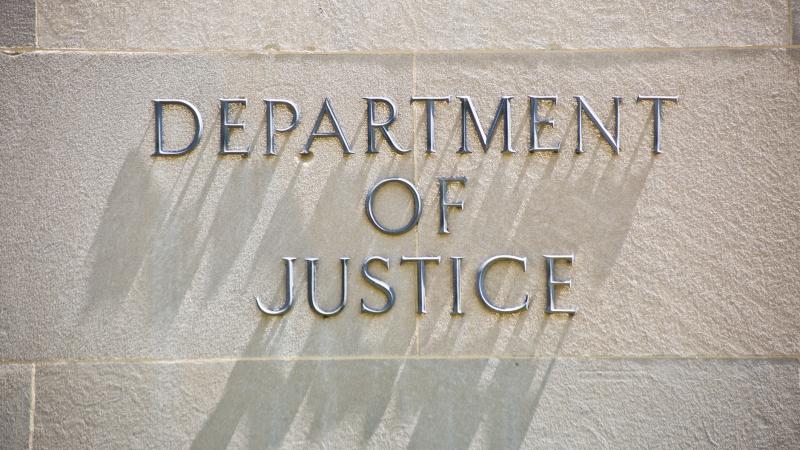
Trump’s so-called rap sheet —34 felony convictions for allegedly falsifying business records in the 2024 New York hush-money case — is not insignificant to groups of Americans who have experienced persecution by some aspects of the justice system.
Trump's case stemmed from what many view as a weaponized justice system orchestrated by Biden-era prosecutors. Trump maintains his innocence, arguing the case was a politically motivated hit job rather than legitimate justice. Though sentenced to unconditional discharge with no jail time, the verdict fuels a defiant image: a billionaire outsider targeted by the system yet prevailing.
To some, it adds outlaw moxie. In a world romanticizing anti-heroes, Trump’s battles displayed resilience against the establishment, resonating with gangster culture’s respect for those who thrive amid persecution and flip the script on authority.
Amanda Head is White House Correspondent for Just the News. You can follow her here.
The Facts Inside Our Reporter's Notebook
Top Stories

Trending
Just the News Spotlight
Just News, No Noise