Related Articles

The memos provide an unusually detailed account of how the court handled an emergency request tied to the Obama administration’s Clean Power Plan.
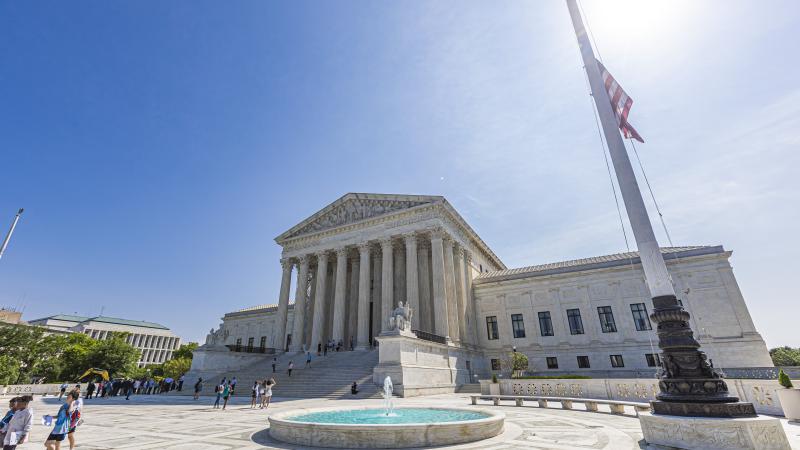
In yet another blow to the Supreme Court’s long-cherished tradition of secrecy, The New York Times has published confidential internal memos that shed rare light on the justices’ private deliberations.
In a report titled “The Inside Story of Five Days That Remade the Supreme Court,” the Times published 16 pages of confidential documents exchanged among justices over five days in February 2016.
The memos provide an unusually detailed account of how the court handled an emergency request tied to the Obama administration’s Clean Power Plan. The episode is widely seen as the origin point of the modern so-called “shadow docket.”
The Times said it verified the authenticity of the memos and published the full set of documents.
The memos – unlikely to have surfaced for decades under normal circumstances – capture behind-the-scenes discussions led by Chief Justice John Roberts as the court moved swiftly to issue a stay without full briefing or oral argument. They also suggest the majority was concerned that, absent intervention, the Environmental Protection Agency would impose what it saw as unlawful regulatory burdens on electric utilities.
That decision marked a significant shift toward resolving high-stakes disputes through expedited orders, a practice that has since expanded to cases involving presidential authority and other major policy questions.
The memos are the latest in a string high-profile leaks that have unsettled the court. In 2022, a draft opinion in Dobbs v. Jackson Women’s Health Organization – which ultimately overturned Roe v. Wade – was leaked to Politico. In 2024, the Times reported on internal deliberations in cases involving President Donald J. Trump, again citing confidential materials.
In response to the leaks, the court under Roberts implemented nondisclosure agreements for employees in late 2024, an effort to curb future leaks and reinforce internal confidentiality.
The court has long relied on secrecy to allow justices to debate candidly, insulated from political pressure. But repeated disclosures are challenging that model.
Whether the court can contain future leaks and what that means for how the justices communicate remains uncertain.