Related Articles

The Trump administration has taken drastic measures to reduce illegal immigration, fortify the border, and restrict illegal aliens' access to taxpayer-funded social programs and banking products that burden American taxpayers.
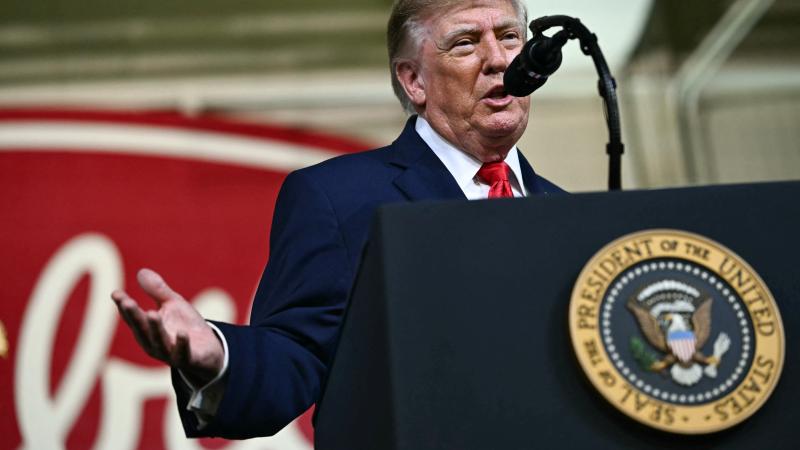
On Tuesday, President Donald Trump signed an executive order directing banks to more aggressively scrutinize illegal immigrants, closing a fiscal fence around American taxpayer interests and resources, and likely further incentivizing self-deportations.
"80% of voters believe that illegal immigration is bad for America, and by the way, the flip side of it is 80% believe that legal immigration is good for America," veteran pollster Scott Rasmussen told Just The News.
Trump's Tuesday order, titled “Restoring Integrity to America’s Financial System”, directs federal regulators and the Treasury to issue guidance strengthening banks’ customer due diligence, identify red flags/suspicious activity linked to undocumented immigrants (such as Individual Taxpayer Identification Number misuse, payroll tax evasion, or off-the-books wages), and manage credit risks from extending loans or services to non-work-authorized individuals who may face deportation or wage loss.
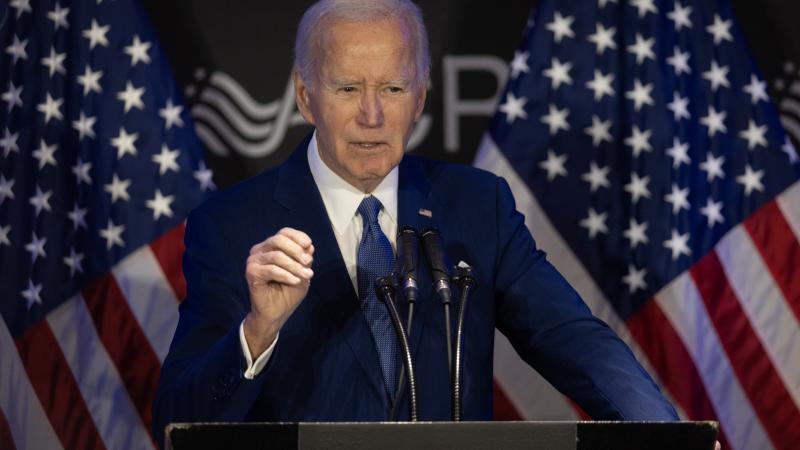
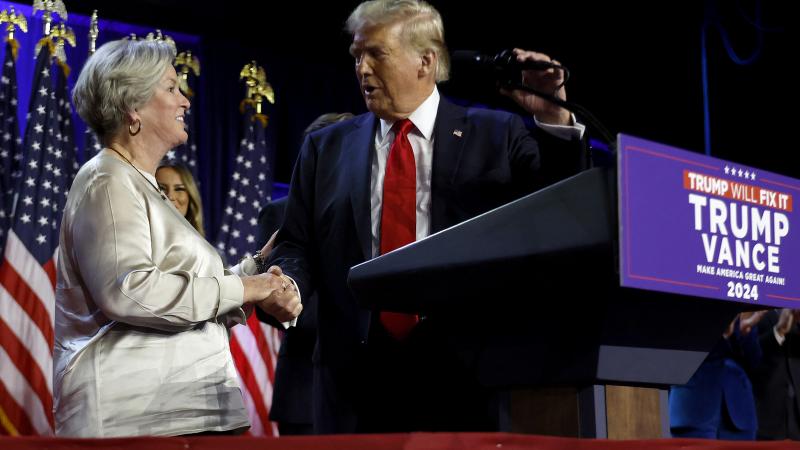
On day one of Trump's second term, his first step was to immediately shut down the southern U.S. border, which saw millions of illegal alien crossings who were released into the interior of the country under former President Joe Biden's administration.
Within hours of being sworn in as the 47th president, Trump signed the “Securing Our Borders” and a proclamation declaring a national emergency and “invasion” at the U.S. southern border.
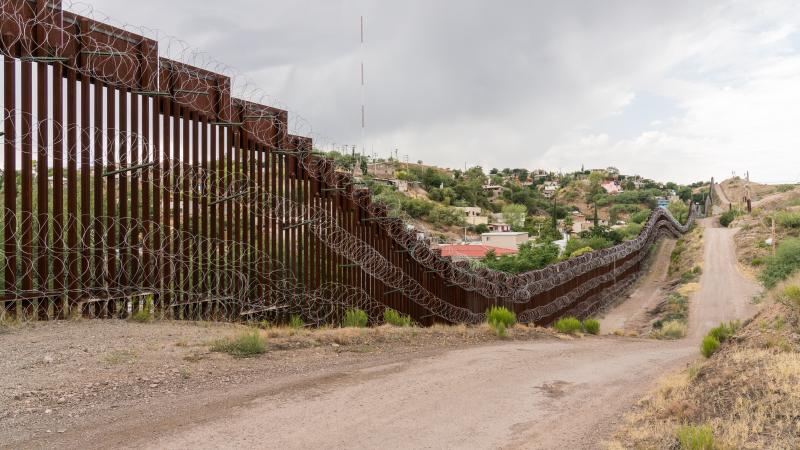
These actions suspended migrant entries, halted most asylum claims, reinstated “Remain in Mexico,” ended the ineffective CBP One app, and directed construction of additional physical barriers while deploying military support. The measures aimed to achieve operational control and sharply curb illegal crossings.
After turning off the faucet at the border, the next step for the Trump administration was to remove illegal aliens from the interior of the country, starting with the "worst first," the administration said. That initiative included efforts to broaden expedited removal and direct agencies to prioritize interior removals of illegal immigrants.
The administration increased ICE (Immigration and Customs Enforcement) arrests significantly (more than quadrupling in some reports), expanded detention, and encouraged cooperation with local law enforcement while targeting sanctuary jurisdictions. Official DHS claims vary but center around 600,000–675,000 deportations by late 2025/early 2026, often including border turnaways.
The administration also reports 1.9–2.2 million “self-deportations” due to heightened enforcement, though these claims lack detailed verification and face skepticism from researchers.
Additionally, the Trump administration has restricted illegal immigrants’ access to taxpayer-funded social programs, mainly through executive actions enforcing the 1996 Personal Responsibility and Work Opportunity Reconciliation Act (PRWORA).
In February 2025, Trump signed Executive Order 14218 (“Ending Taxpayer Subsidization of Open Borders”), directing federal agencies to identify programs providing benefits to undocumented individuals and align them with legal restrictions.
Agencies like HHS rescinded a 1998 interpretation, broadening “federal public benefits” to include more health, education, and social services such as certain community health centers, Head Start, and others, while tightening verification for SNAP and related programs.
Congress reinforced these efforts via the One Big Beautiful Bill Act (H.R. 1), a reconciliation package that further limited eligibility for Medicaid, CHIP, SNAP, ACA subsidies, and Medicare—primarily tightening rules for various non-citizens while reinforcing barriers for undocumented immigrants, who were already largely ineligible for most federal means-tested benefits except emergency services.
On limiting illegal immigrants' access to banking and financial products, the administration's stated goal is to reduce risks to the banking system — such as people getting deported and then defaulting on loans or credit cards.
Banks are now encouraged by the Trump administration to be more careful with loans and services to those without work authorization, but the order does not require them to check every customer’s citizenship status.
Amanda Head is White House Correspondent for Just The News. You can follow her here.