The return of Roe? Rogue judge ignored SCOTUS to block abortion law, Idaho emergency appeal says
Clinton nominee invented constitutional right to "therapeutic" abortion found nowhere in precedents or history of state abortion regulation, usurped Legislature and voters ahead of ballot vote, AG and lawmakers tell 9th Circuit.
When a federal judge permanently blocked California's so-called gender secrecy policies, which compel public schools and employees to hide students' gender confusion from their parents, the 9th U.S. Circuit Court of Appeals blocked the block, prompting an emergency rebuke from the Supreme Court for ignoring a century of parental rights precedents.
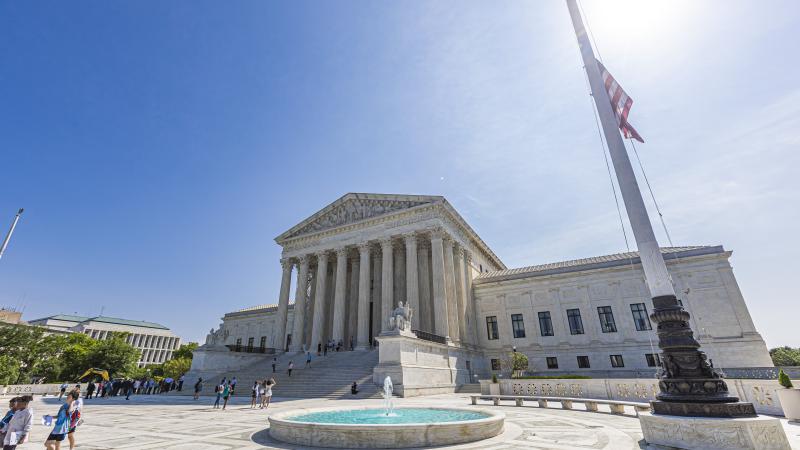
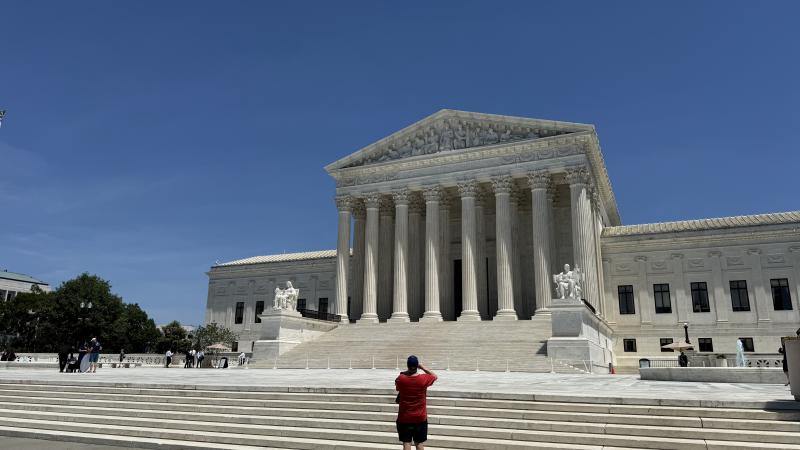
The San Francisco-based appeals court, reportedly the most overturned in the past two decades, now has an opportunity to redeem itself in the eyes of the justices on a momentous recent precedent: the right of states to regulate abortion how they see fit.
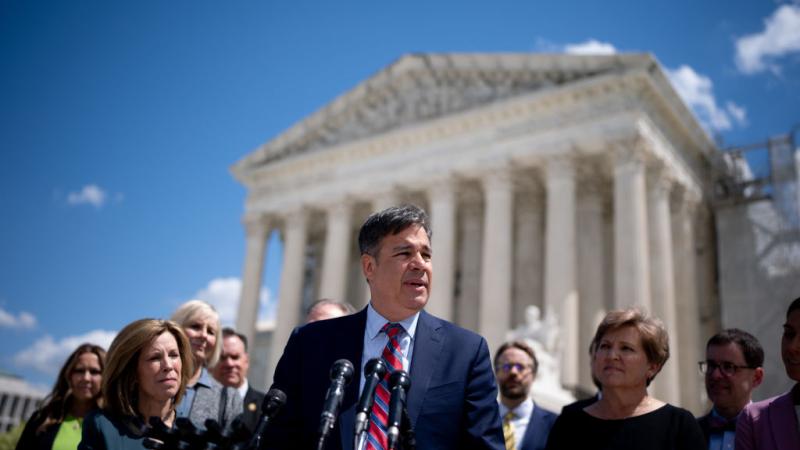
Idaho Attorney General Raul Labrador filed an emergency motion for a stay pending appeal – the same vehicle by which the 9th Circuit protected California's gender secrecy policies – to pause an Aug. 13 injunction on its law criminalizing most abortions by Thursday.
U.S. District Judge Lynn Winmill had claimed the U.S. Constitution protects a right to "therapeutic" abortion, including to prevent a pregnant woman from self-harm, notwithstanding the Dobbs precedent overturning federal abortion rights from Roe four years ago.
The President Clinton nominee gave abortion doctors carte blanche to decide what presents a “non-negligible risk of serious and lasting harm," even counting the "risk of infection" from a cesarean section as justifying abortion, and took a linguistic leap by equating "health" with "life" in historical exceptions to abortion bans in state laws, Labrador said.
Blocking the law, in fact, endangers the lives of pregnant women, Idaho argued, citing a steep drop in its "pregnancy-related mortality ratio" since Dobbs triggered its near-total abortion ban. The rate dropped to just 4.29 deaths per 100,000 live births in 2024, far down from 2018's rate of 18.7 and half the rate in 2022, when SCOTUS issued Dobbs that June.
More than half of the Idaho Legislature, including House and Senate leaders, backed Labrador in a friend-of-the-court brief awaiting acceptance by the 9th Circuit as of Tuesday.
"The people of Idaho through their elected representatives – not the district court – have the right to set Idaho’s abortion policy," they wrote, seeking a stay to protect their "interest in their legislative authority and to preserve the democratic processes" ahead of November's vote on a ballot measure to restore abortion rights before fetal viability.
Winmill "ignored Idaho’s rich pro-life history" to find a "deeply rooted" abortion right, citing court rulings in Massachusetts, North Dakota and even England but not Idaho, they said. Its territorial legislature banned abortion with a life exception, the state regulated the procedure as much as possible under Roe and it "routinely enforced" its pro-life laws before Roe.
The Gem State's restrictions, permitting abortion only to save the life of the mother and remove ectopic and molar pregnancies while threatening prison and loss of medical licenses for doctors who perform elective abortions, have been a recurring target of abortion-rights challenges since Dobbs drastically narrowed permissible legal arguments in 2022.
The Biden administration creatively argued that the federal Emergency Medical Treatment and Labor Act preempts Idaho law for abortions as the "necessary stabilizing treatment for an emergency medical condition." SCOTUS initially agreed to hear the issue but then said it jumped the gun, and the Trump administration dismissed the case.
Idaho's abortion law is now only banned as it applies to emergency procedures at a single health system, St. Luke's, due to another injunction issued a year and half ago by Winmill, who hears a reduced caseload under his senior status.
Winmill agreed to narrow his latest injunction after Labrador protested that it let all Idaho doctors perform therapeutic abortions and warned he would seek emergency relief from the 9th Circuit. It now applies only to plaintiff Stacy Seyb, with Winmill conceding that SCOTUS prohibits judges like him from imposing "universal injunctions" in situations like Seyb's.
The "maternal-fetal medicine physician who specializes in high-risk pregnancies" testified in Winmill's trial that he's been sending women out of state for fear his abortions would violate Idaho law. Seyb's Boise clinic is about an hour from Planned Parenthood in Ontario, Oregon, and clinics in other neighboring states can perform abortions at least until 18 weeks.
No limitation to conditions that doctors can 'objectively evaluate'
Winmill ruled that Dobbs applies only to elective abortions, not the "health-preserving abortions" Seyb wants to perform, which the judge deemed protected by the 14th Amendment due process clause. He used the language of abortion rights to argue abortions are "life-saving care" even when the "threat comes from a mental health condition," suicidality.
The emergency motion contrasted the judge's "version of carefully defining a right" with what the injunction actually does: let abortion providers decide what medical conditions require an abortion and allow "essentially any claim of mental-health struggles to allow for abortion."
The high court conclusively prohibits the judge's linguistic gymnastics to redefine statutory "life" exceptions for abortion in American history as a vague category of health, Labrador argued.
It "exhaustively surveyed the history of all abortions," finding the Constitution didn't create a right and does not prohibit states from "regulating or prohibiting" it without qualification.
The SCOTUS majority literally overturned the "life or health of the mother" framework of Roe and the 1989 precedent Casey, which Winmill explicitly cited for his "therapeutic" reading, even though the legal question the justices accepted was whether "pre-viability" elective abortions could be prohibited, Labrador emphasized.
Not only did Winmill cite a "standard of care" used by the pro-abortion American College of Obstetricians and Gynecologists, but he didn't limit the mental-health conditions justifying abortion to those a doctor can "objectively evaluate" for suicide risk, require them to "try other effective treatments" or even get a mental health diagnosis first, Idaho said.
"Abortion for threats of self-harm becomes abortion on demand," the filing says.
Seyb's expert witness couldn't find any historical source identifying therapeutic abortions as a legal right, and the judge didn't cite a single case striking down a state abortion law for lack of a therapeutic exception, Labrador said.
Only Illinois allowed abortion for non-life reasons when the 14th Amendment was ratified, and from then on through 1966, only five states had exceptions such as "health," "safety" and "to prevent serious permanent bodily injury," the motion says.
"The people of Idaho, through all three branches of government, have repeatedly approved" pro-life laws such as its Defense of Life Act and the Heartbeat Law, but Winmill "instead judicially enforc[ed] the district court’s own policy preference for how to balance the interests of the mother and the preborn baby," the lawmakers' brief says.
The judge conducted a bench trial with "virtually no adjudicative factfinding" but reams of expert testimony, with the court deciding "which studies and experts it found credible and which it did not" and using those findings to "arrive at a policy decision on a moral question," they said. This is "raw judicial policymaking" that usurps lawmakers rather than interpreting law.
The Facts Inside Our Reporter's Notebook
Documents
Links
- emergency rebuke from the Supreme Court
- reportedly the most overturned
- emergency motion for a stay pending appeal
- U.S. Constitution protects a right to "therapeutic" abortion
- 4.29 deaths per 100,000 live births in 2024
- ballot measure to restore abortion rights
- Emergency Medical Treatment and Labor Act preempts Idaho law
- SCOTUS initially agreed to hear the issue
- Trump administration dismissed the case
- single health system, St. Luke's
- narrow his latest injunction after Labrador protested
- testified in Winmill's trial
- abortions at least until 18 weeks
- elective abortions, not the "health-preserving abortions"
Other Media

Top Stories



Trending
Just the News Spotlight
Just News, No Noise