Related Articles
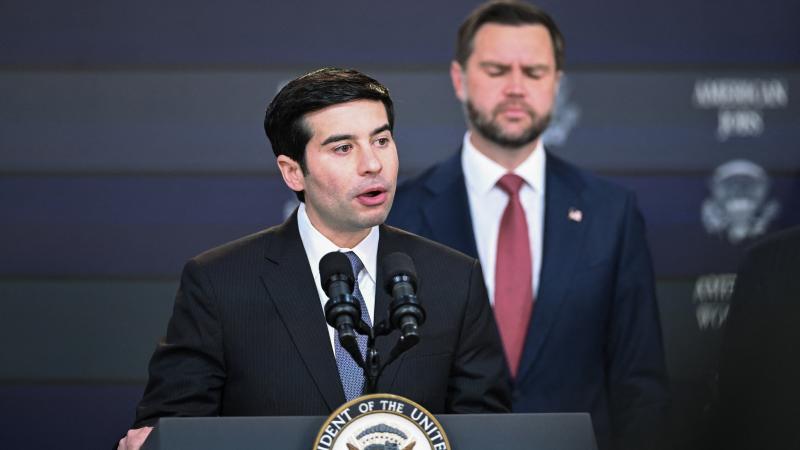
“We must make sure that businesses in states where marijuana is legal – like Nevada – have access to bank accounts and other financial services,” Cortez Masto (D-NV) said in a Monday statement.
(The Center Square) - U.S. Sen. Catherine Cortez Masto joined a bipartisan effort to legalize access to banks for the cash-dependent cannabis industry.
The Secure and Fair Enforcement (SAFE) Banking Act would end the penalization of banks for accepting legal cannabis business, in what is the latest move in a years-long effort to further legitimize the industry.
“We must make sure that businesses in states where marijuana is legal – like Nevada – have access to bank accounts and other financial services,” Cortez Masto (D-NV) said in a Monday statement. “I’m proud to support this legislation that will help Nevada small businesses and make our communities safer in the long run. It’s time to finally get this bill done.”
The legal U.S. cannabis industry was worth roughly $18.5 billion in 2025, according to the cannabis-focused financial tech firm Green Check Verified. The report estimated 65% of transactions were in cash. In Nevada, the industry was estimated to be worth $757 million last year.
Since the first U.S. states legalized the recreational use of cannabis in 2012, access to the drug has quickly spread across the country. Today, 24 states allow recreational use of cannabis, while 41 states allow medical use.
But nationally, cannabis remains an illegal substance for medical and recreational use. In states where cannabis is legal, this has kept local banks – subject to federal regulations – from working with cannabis businesses.
“Right now, whether Congress likes it or not, there is an operational state-regulated cannabis industry in many states in this country,” Paul Armentano, deputy director of the NORML cannabis political advocacy group, told The Center Square. “It is virtually impossible to have accountability and transparency, and frankly even safety, in a multi-billion dollar industry that is forced to operate almost solely on a cash-only basis that does not have access to traditional banking and traditional financing. It's absurd.”
Supporters of the bill have said the cash-dependent industry has been prone to robberies. Armentano argued consumers, who often must make purchases in cash, are also at a higher risk.
Cortez Masto and the bipartisan group of seven other U.S. senators sponsoring the bill are only the latest effort to get the cannabis banking change passed into law.
The first edition of the bill was introduced in 2017, and passed the House, but never received a vote from the Senate. In total, seven cannabis banking bills have passed the House in the last decade, with none receiving votes from the Senate.
The American Bankers Association has been a regular supporter of the legislation, arguing the involvement of banks would better monitor the industry’s finances.
“This is an issue that is widely popular among voters,” Armentano said. “It's popular among financial institutions. It's something that the industry itself is clamoring for. It's a pro-business proposal which theoretically ought to appeal to Republican leadership.”
The SAFE Banking Act comes in the final weeks before midterm elections that could see the political makeup of Congress changed.
Armentano expressed frustration with the late effort to get the legislation passed. He also called the repeated failures of the cannabis banking bill, “A victim to partisanship.”
Sen. Cortez Masto did not respond to questions from The Center Square about the timing of this legislative effort.
CADCA (formerly known as the Community Anti-Drug Coalitions of America), and Smart Approaches to Marijuana did not return The Center Square's calls requesting comment.