Related Articles
Short-lived Project Freedom cleared a "relatively safe path" for ships through the Iranian blockade, and some reportedly stay in contact with U.S. military officials to navigate through unscathed while turning off lights and beacons.
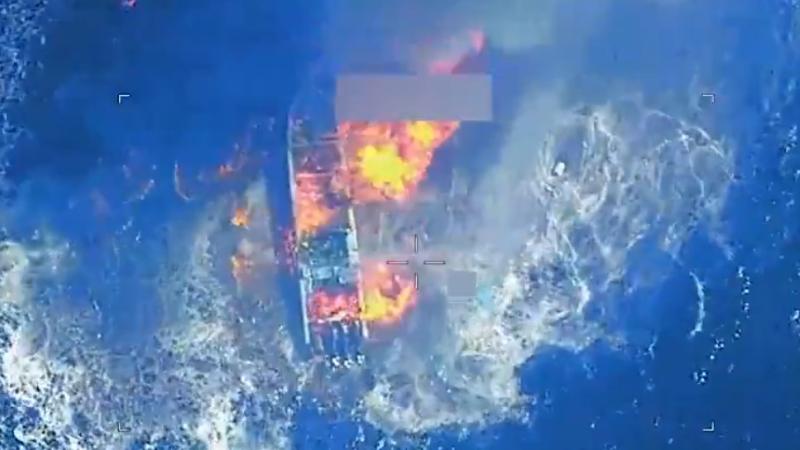
President Trump's short-lived Project Freedom, which used U.S. naval and air escorts to help commercial ships through Iran's blockade of the Strait of Hormuz and allegedly took out six Iranian vessels, reportedly set the conditions for the U.S. military to help ships go "dark" and sneak through undetected by the Islamic Republic.
The Wall Street Journal reports that mine-clearing by U.S. forces in the Persian Gulf prior to Project Freedom created a "relatively safe path" for commercial ships to follow, and "clumps" of them, including massive oil and liquefied natural gas tankers, have made it through unscathed in recent weeks.
By turning off lights and traveling without anti-collision Automatic Identification Systems, the ships are harder for Iranian forces to spot.
Shipowners and U.S. officials told the Journal that some stay in contact with U.S. military officials, "who use radar, drones and other tools to monitor traffic and help them transit safely," advising them when to go dark and how to respond to Iranian threats.
The ships receiving U.S. guidance include an India-bound "Greek supertanker laden with two million barrels of crude" that had been stuck in the Gulf for two months. Two Greek shipowners said clients are asking if they can use the same path the Greek ships.
The Islamic Revolutionary Guard Corps Navy and U.S. Central Command have played a cat-and-mouse game in the past week, with the Guard firing one-way attack drones and trying to lay sea mines, but CENTCOM says it has responded defensively by sinking those Iranian vessels and bombing missile and drone sites.