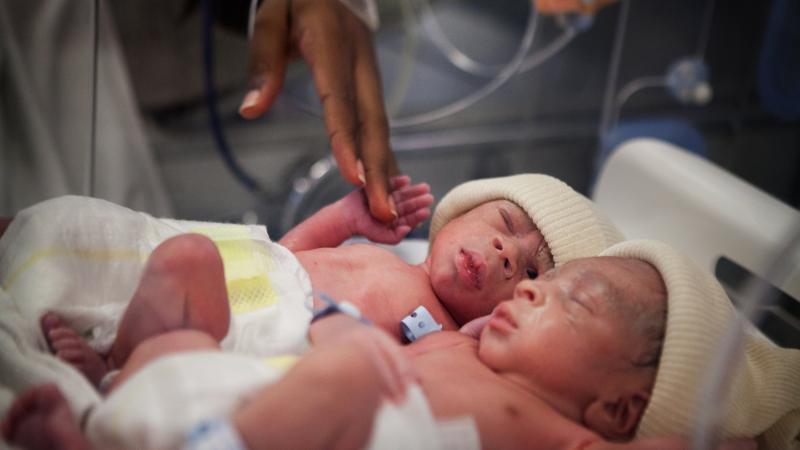
March of Dimes warns more than 10% of American births are premature, gives United States a D-plus
Nearly 380,000 babies were born too soon last year, putting them at greater risk of infant death and lifetime complications.
(The Center Square) -
The annual March of Dimes report released last finds in 2025,for the fourth consecutive year, the U.S. preterm birth rate remained at 10.4%, earning a D+, the lowest grade in the report’s history.
Nearly 380,000 babies were born too soon last year, which puts them at greater risk of infant death and complications that can last a lifetime, according to the nonprofit group.
The group's report also found state rates vary widely – from 8.2% in Vermont, the only state with an A, to 15.0% in Mississippi – one of seven states earning an F.
Babies born to black moms continue to face the highest preterm birth rates, reflecting persistent systemic inequities in the conditions, care, and systems that shape maternal and infant health, also according to the report.
Illinois is one of the states that received a D+ for maternal and infant health on an annual report card, but recent policy changes might improve the state’s grade.
March of Dimes Chief Medical and Health Officer Dr. Michael Warren, said Illinois could move up after the state mandated coverage of biomarker screening for women on Medicaid.
“You've extended Medicaid coverage to populations that are not pregnant yet, improving health even before pregnancy and then when women are pregnant, extending that coverage out for a full year,” Warren said.
When The Center Square asked about the taxpayer cost of extending and expanding Medicaid, paid family leave and other policies recommended in the report, Warren said neonatal intensive care is incredibly expensive.
“If we can start to make these investments in better care to reduce some of these preterm births, while yes, there will be costs associated with extending care, we're actually going to see those savings on the back end when we have fewer babies born preterm and fewer moms having complications,” Warren said.
Warren said care for babies in the NICU routinely goes into the hundreds of thousands of dollars,
“It is not unusual at all to see babies who are in the NICU for many months to surpass a million dollars in medical expenses,” Warren said.
The report card said Illinois’ Medicaid program, HealthChoice Illinois, covered 47,364 births in 2025.
Half of U.S. states received a D or F, and the national score matched Illinois with a D+.
The report cited unhealthy weight and hypertension as conditions that make preterm births or poor birth outcomes more likely in Illinois.
The Illinois Department of Public Health’s maternal mortality report released in November 2025 said substance use disorder was by far the leading cause of pregnancy-related deaths for Illinois mothers in 2021 and 2022.
Dr. Tiffany Inglis, chief medical officer of Sera Prognostics, said substance use disorders are also a significant risk factor for premature delivery.
“We are seeing a rise in impacts to babies due to substance use addiction and things like that at birth from certain substances, like opioids specifically, has a huge impact on abilities for the baby immediately post delivery,” Inglis told The Center Square.
The March of Dimes report said the infant mortality rate in Illinois decreased during the last decade.
The Facts Inside Our Reporter's Notebook
Links







Top Stories





Trending
Just News, No Noise