Related Articles

The 5th U.S. Circuit Court of Appeals ruled recently that the federal ban against home whiskey distilleries is unconstitutional. However, the 6th Circuit upheld the federal ban.
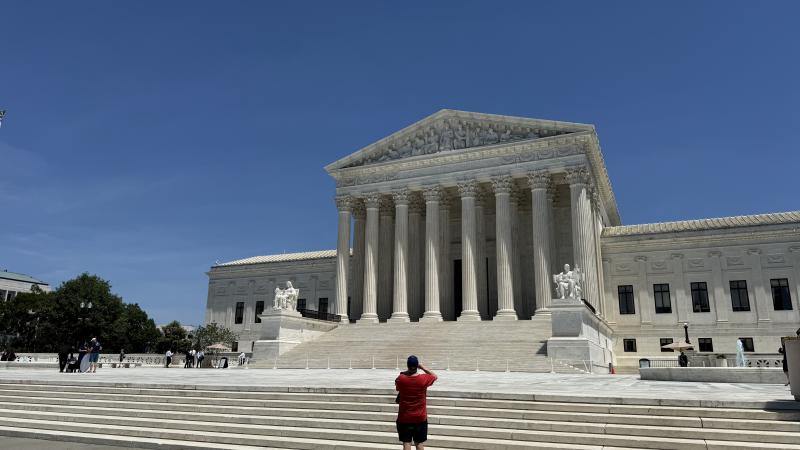
The U.S. Supreme Court is being asked to legalize home whiskey distilleries in the United States by a conservative-leaning think tank in Ohio.
The 5th U.S. Circuit Court of Appeals ruled recently that the federal ban against home whiskey distilleries is unconstitutional. However, the 6th Circuit upheld the federal ban.
The federal government said the law is constitutional because it was enacted to prevent tax evasion and that it would be easier for a distiller working out of their home to conceal the business and therefore avoid paying taxes.
On Monday, the Buckeye Institute filed a petition asking the Supreme Court to decide between the two conflicting appeals-court rulings.
“Two courts of appeals considered the same provisions, against the same constitutional challenge, on mater-ally identical facts, within 11 days of each other, and issued opposite judgments,” Buckeye’s Monday petition to the Supreme Court states.
None of the would-be distillers in the 5th Circuit case are from Ohio, although John Ream, a distiller from Newark, Ohio, is a plaintiff in the 6th Circuit case, which was also brought by the Buckeye Institute.
Before they were married, Ream’s wife, Kristin, gave him a home brewing kit.
“Now, Mr. Ream, a former aerospace engineer at Boeing, seeks to distill small quantities of alcohol in his own home for his own personal consumption,” Buckeye said in a release. “However, the federal government threatens Mr. Ream with years in prison and thousands of dollars in fines if he were to experiment with this George Washington-approved activity, which is as American as apple pie and certainly predates even that beloved baked good.”
Home whiskey distilleries have been illegal under federal law for the last 150 years. Violators could face a maximum prison sentence of five years.
“The 5th Circuit correctly recognized that Congress is indeed a body of limited and enumerated powers, and prohibiting hobby distilling in your own home is not among them,” Buckeye said in a statement earlier this year.
The U.S. Supreme Court typically decides cases where two federal appeals courts have issued conflicting rulings, Andrew Grossman, senior legal fellow at The Buckeye Institute, told The Center Square earlier this year.