Stockpiles shielded globe from energy shock, but as Iran war continues, reserves are running dry
The world's oil reserves proved robust enough to cushion global energy markets from price shocks stemming from the war in Iran. The specter of a prolonged conflict is rising, and those reserves are severely depleted. If the war drags on months, the avoided price shock may be on the horizon.
Average gasoline prices in the U.S. were up over $4 per gallon on Thursday after drivers had a bit of a break at the end of June when fuel costs drifted downward on news of an interim peace agreement with Iran.
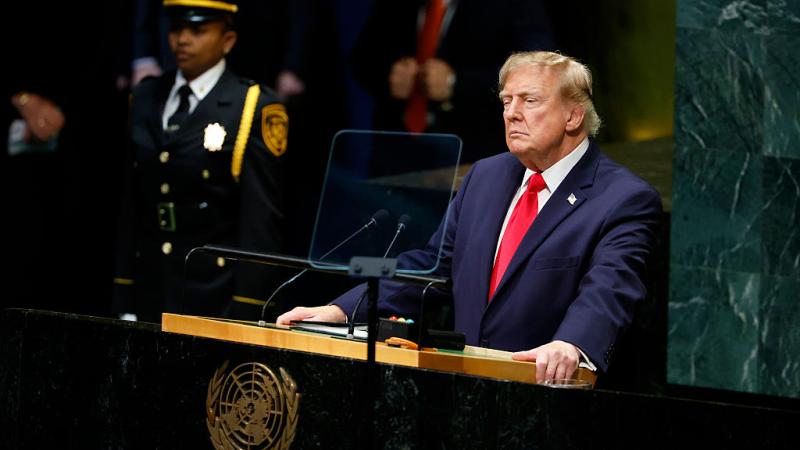
A quick end to the war now appears much more remote. A surprise attack this week on U.S. forces in Jordan had President Donald Trump warning that the U.S. was going to “bear the f–ing s– out of” Iran. The Strait of Hormuz has been largely unusable since late February and now Yemen's Iran-aligned Houthi group declared a naval blockade against Saudi Arabia, preventing transits of the Red Sea, further impeding global oil shipping.
When the interim peace deal was signed, oil prices fell back near pre-war levels, in the mid-$60s per barrel. Since then, the West Texas Intermediate, the American benchmark, price climbed to the mid-$80s per barrel.
Trump hasn’t ruled out the possibility of ground operations in Iran, and should it come to that, the war will last indefinitely. While impacts to the global oil trade were felt throughout the war, the impact was largely blunted by utilizing stockpiles of crude oil throughout the world.
Now, those options may no longer be available, which could have extensive impacts on global energy markets if the war stretches on for months or years.
Eating up savings
As energy analyst David Blackmon explains on his “Energy Additions” Substack, at the start of the conflict, there were healthy inventories of crude oil on the water in tanker ships. Nations were able to tap into land-based reserves, which were filled specifically for disruptions in energy supplies like have been seen over the past few months.
In the U.S., these supplies included land-based tanks in Cushing, Oklahoma, as well as the Strategic Petroleum Reserve. While the reserve was severely depleted during the Biden administration, it held over 400 million barrels of oil at the start of the war. Shortly after the war began, member countries of the International Energy Agency (IEA), which includes the U.S., agreed to release 400 million barrels of oil onto the market.
China also tapped its own reserves to ease the shock. For the past five years, China imported an average of 11.5 million barrels of oil per day, which dropped to 8 million barrels of oil per day since April, Reuters reported.
Due to the lack of transparency in the secretive country, it’s not clear all the steps China took to reduce its imports. Tapping reserves was certainly part of the strategy, but the volume of its energy stockpiles is a state secret. Estimates put the reserves somewhere between 1 billion and 2 billion barrels of oil.
Possible impacts later this year
As the world’s top crude oil importer, China played a key role in keeping oil prices from spiking by removing a large part of its demand during these past few months. According to estimates in the latest IEA report, China drew 41 million barrels of oil from its inventories in June.
China still holds substantial reserves, according to Goldman Sachs, but the analysts said China may start to accelerate buying in July and August to take advantage of Gulf producers’ low selling prices for the next two months. This means the country’s demand may again be a factor in global energy markets.
Amrita Sen, founder and director of market intelligence at consultancy Energy Aspects, told CNBC that the world has consumed approximately 600–700 million barrels of oil from reserves since the conflict began. Without the conflict coming to a close in the next few weeks, Sen said, serious impacts could be seen within the third and fourth quarters of this year as those reserves no longer offer any relief.
‘Brace for impact’
The U.S. is still positioned to be shielded. Besides being the largest producer of oil in the world, its reliance on Middle East imports is far less than Europe and Asia. Only about 8% of U.S. imports came from the Middle East in 2025, according to the U.S. Energy Information Administration.
Likewise, Venezuela’s oil industry is seeing a revival as it reforms its socialist policies following the removal of former Venezuelan President Nicolás Maduro in January. As its production grows, the U.S. has another resource to make up for any shortfalls arising from disruptions in the Middle East.
However, as Blackmon points out, the U.S. won’t be immune to the impacts. Gasoline prices have responded as the hope of a long-term peace deal with Iran falls apart, and rising energy costs will impact all sectors of the economy.
“So, brace for impact, drivers: $100 oil is back, with all the attendant impacts to your pocketbooks that means,” Blackmon wrote.
The Facts Inside Our Reporter's Notebook
Top Stories




Trending
Just the News Spotlight
Just News, No Noise