Related Articles
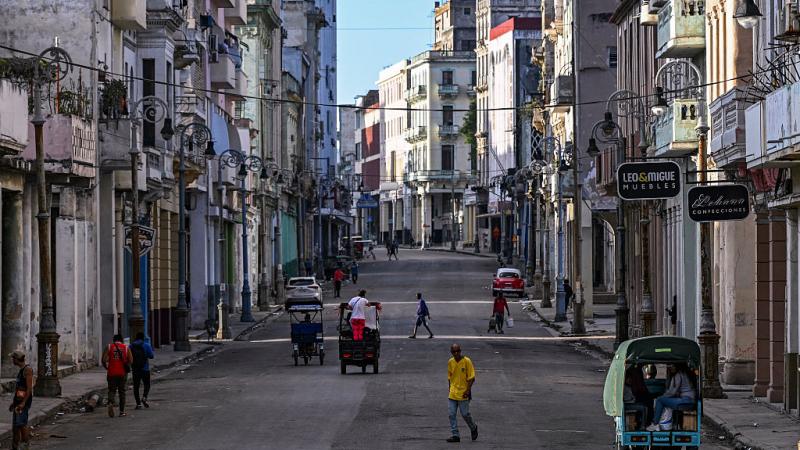
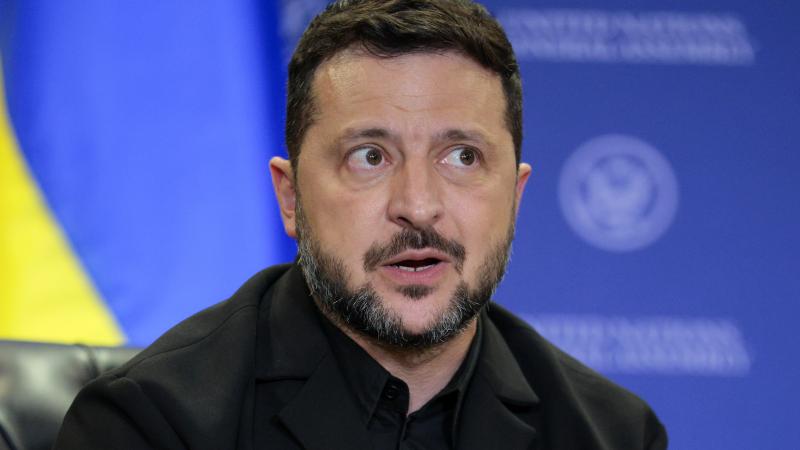

America’s energy dominance comes from extracting oil from shale deep underground better than anyone, but those wells decline over time. Diverse resources abroad could help the U.S. maintain its position as a world energy leader.
The Trump administration's recently secured deal with Venezuela that gives the U.S. majority control over more than 65 billion barrels of proven oil reserves in the South American country also has the potential to replace at least some of the United States' oil coming from shale, with that well-drilling technology facing a decline.
The reserves will add to the roughly 46 billion barrels of proven U.S. territorial reserves America currently has under its control.
Much of the oil the U.S. is producing out of those reserves comes from its land-based shale plays, with Texas and New Mexico having the most prolific.
The U.S. was a leader in the development of hydraulic fracturing and horizontal drilling technologies, also known as “fracking” And American companies used the technology to create a viable industry that made America the largest producer of oil in the world.
However, the wells pumping oil from shale will decline much more rapidly than other wells in other types of geology, such as those in the Middle East. Securing oil in Venezuela has the potential to replace some of those barrels the shale industry could lose over time.
While it’s not going to lower gas prices or have immediate impacts, the deal with Venezuela could prove beneficial to America’s long-term energy future, and has the likely potential to reshape the geopolitical energy landscape.
Exactly when America’s shale industry will meet its peak is a matter of debate, and predictions of “peak oil” have a history of being spectacularly wrong.
Just as few predicted that America would unleash oil from underground rock formations that were previously inaccessible, no one can say for sure what future technologies could be developed to extract oil in deposits that are currently inaccessible.
However, in anticipation of a decline in shale production, oil companies have been looking at, among other options, operations abroad.
Energy analyst David Blackmon told Just the News that a large part of the acreage that America acquired in the deal with Venezuela is greenfields, which means they’re oil fields that haven't been explored or developed. The rest of the acreage is in brownfields that were allowed to fall into disrepair under decades of socialist rule.
This means it’s going to take a long time to start pumping any of those 65 billion barrels in South America. As Blackmon argued in his “Energy Additions” Substack, it could take seven to 10 years, as well as billions in capital investment, before anything is produced out of it.
While that won’t do much for gas prices in the near-term, it will provide the American companies that invest there a resource when shale opportunities decline.
Things have moved quickly in Venezuela to create an environment that’s attractive to investors, and the deal secured Friday only furthers that. Blackmon said companies such as BP, Shell, Repsol and even Exxon, whose risk profile tends to be conservative, are taking an interest.
“When you're in the oil business, you're either increasing your production every year or you're going out of business,” Blackmon said.
Energy Secretary Chris Wright told CNBC that the presence of the U.S. as a result of the agreement with Venezuela will further help grow confidence in investment in Venezuelan oil production. Since the U.S. removed Venezuelan President Nicolás Maduro in January, Wright said, the country’s oil output is up 25%, and exports are up 50%.
“So far, we’ve gone at Trump speed in Venezuela," he said.
Chevron announced this week it plans to expand operations in Venezuela, including a $7 billion investment over five years. In an interview with CNBC, CEO Mike Wirth said that the crude oil in Venezuela’s fields is heavier and requires different technologies to produce, but the resource will last for decades. Wirth also said he expects the company's production to go from a low of 40,000 barrels a day to over 600,000 by 2031.
The U.S.-Venezuela deal will also shake up the geopolitical energy situation as well. Venezuela is a founding member of OPEC, and with Venezuelan President Delcy Rodriguez cozy with Washington, its energy goals are falling out of line with the cartel.
“I expect Venezuela to announce it is leaving OPEC sometime in the very near future,” Blackmon said.
Venezuela’s departure would follow the United Arab Emirates, which left the organization in April. The organization had already lost considerable influence as a result of the rise of American oil production, and the loss of two key members will only diminish its ability to control energy markets as it had in the past.
The U.S. war with Iran and the blockade of the Strait of Hormuz have further diminished the attractiveness of Middle East oil resources. The partnership of the U.S. and Venezuela offers nations a more stable trading partner.
A significant decline in U.S. shale production could have been an opportunity OPEC could have exploited in a few decades to possibly regain some of its lost ground. With U.S. oil companies gaining a major stake in Venezuelan production, that prospect seems more remote.