Trump admin looks to streamline permitting, lower costs to help make home ownership more attainable
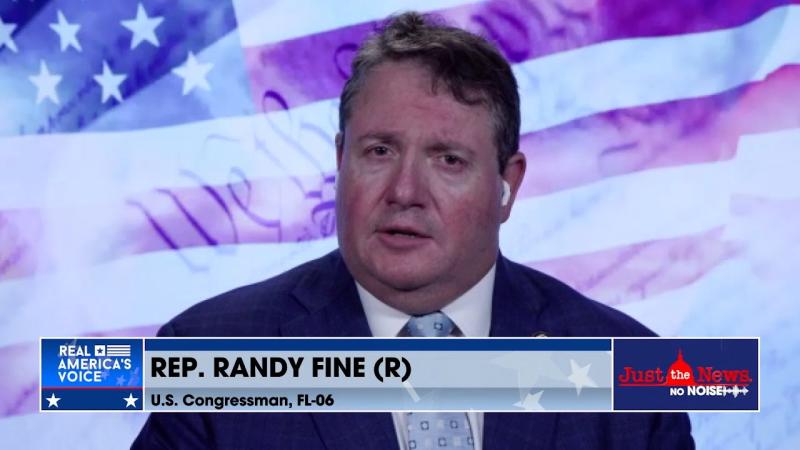
EPA Administrator Lee Zeldin said that the landowners know better than the government how best to rebuild, and this will empower individuals and the private sector.
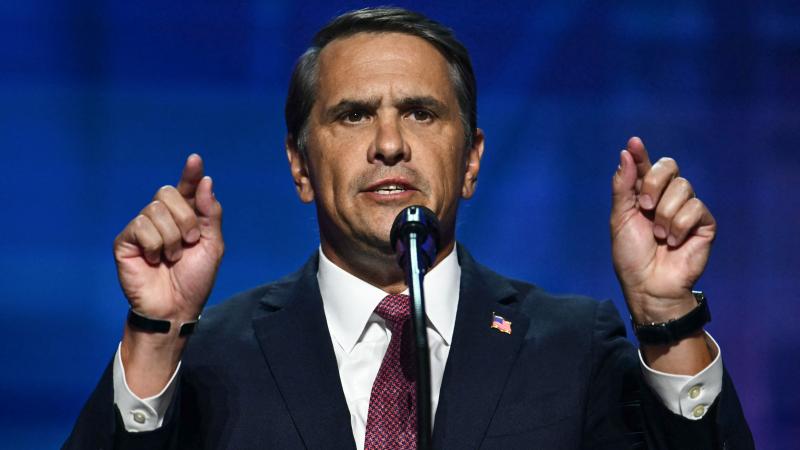
Environmental Protection Agency chief Lee Zeldin confirmed Monday the Trump administration wants to intensify efforts to get state and local regulators to drop burdensome, costly zoning laws — including on homes built on assembly lines — to help the next generation afford the American dream of home ownership.
The Palisades Fire in Southern California last year destroyed roughly 13,000 homes in the Palisades and Eaton neighborhoods of Los Angeles. Over a year later, a little more than 3,000 rebuilding permits have been issued and only a few dozen homes have been built, according to The New York Post.
Zeldin detailed Monday on the “John Solomon Reports” podcast the challenges homeowners are facing in trying to rebuild their homes, which includes wading through the bureaucracy of California’s building permit authorities.
“There are so many lessons to be learned here, and as far as the permitting process goes, making sure that you have one-stop shop permitting in one location as close to the disaster site as possible, that you have as few boxes that have to get checked, and as little red tape and bureaucracy to go through in order to get your permit approval. And you have as many building companies engaged as possible,” Zeldin said.
Zeldin said that the landowners know better than the government how best to rebuild, and this will empower private individuals, as well as the private sector.
“Limiting government's role as much as you can. It shouldn't be any more than what is necessary,” he also said.
Removing housing barriers
President Donald Trump earlier this month signed the “Removing Regulatory Barriers to Affordable Home Construction” executive order. The order states that layers of unnecessary regulatory barriers, slow permitting processes and mandates at all levels of government delay construction and drive up new housing costs.
The order in part directs the Secretary of Housing and Urban Development to create a series of regulatory best practices for state and local governments. Such practices are intended to streamline permitting processes for housing development by capping permitting fees and limiting permitting timelines.
The suggested guidelines will also allow third-party inspections by certified entities to ensure swift resolutions when disputes arise between government agencies and builders. The best practices would also curtail mandates for green-energy requirements.
Creating certainty and efficiency
Zeldin said that the self-certification provision is important.
“When you're setting your rules ... don't force somebody to have to rebuild their entire house because of some regulation," he said. "Be efficient, so that the building owner has to pay as little as possible."
Additionally, the president wants to examine restrictions on manufactured housing that are a matter of construction-method preference and aesthetic requirements – rather than safety standards.
“You certainly don't want to see any government elsewhere getting too involved in preventing people from utilizing that technology," Zeldin continued.
"As a matter of fact, it should be quite the opposite. We should be empowering Americans to be able to achieve the American dream, to have home ownership. And for many Americans, home ownership means getting into one of those manufactured homes that were manufactured elsewhere.'
Federal permitting streamlined
Trump’s executive order also aims to streamline federal permitting requirements for residential development. It directs the Secretary of the Army, along with the EPA administrator, to review and revise requirements related to stormwater, wetlands, lakes, rivers and other bodies of water.
The streamlining attempts to reduce housing construction and ownership costs, property tax burdens, and make homes more insurable, the order explains.
The order also asks the director of the Federal Housing Finance Agency and the secretaries of the departments of Transportation and Housing and Urban Development to consider eliminating unnecessary and burdensome rules and reform programs that limit residential development and impede housing affordability.
The order also directs the chairman of the Council on Environmental Quality to offer guidance to federal agencies on implementing the National Environmental Policy Act to establish categorical exclusions to reduce burdens on housing construction and preservation, as well as the construction of infrastructure that supports housing, such as roads, water, sewer and other projects.
The Facts Inside Our Reporter's Notebook



Top Stories


Trending
Just the News Spotlight
Just News, No Noise