Related Articles
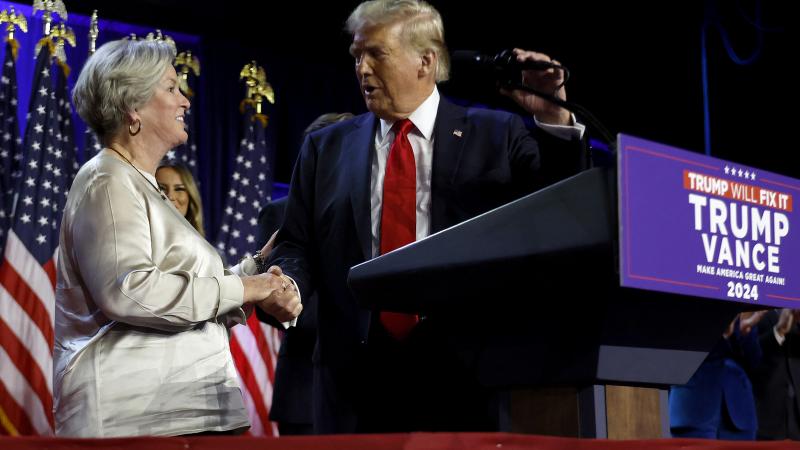

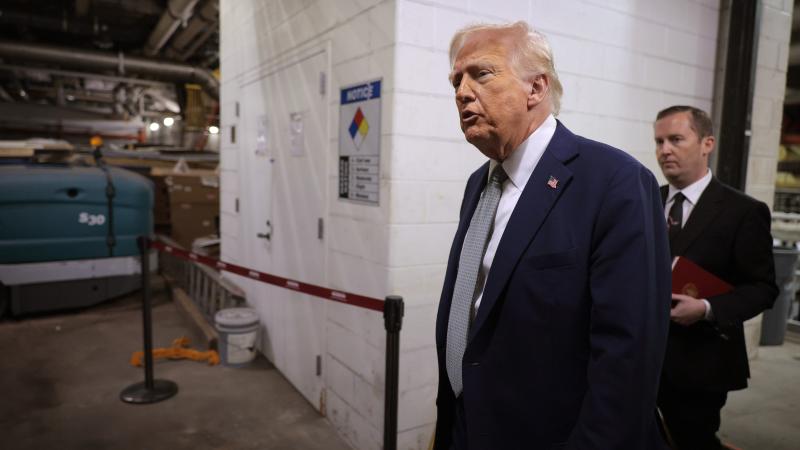
Despite constant criticism from his detractors, Trump appears emboldened in his second term to persevere on issues he campaigned on, knowing next year’s midterm elections could bring a Democratic majority in Congress, lame-ducking his final two years in office.
As President Donald Trump prepares to ramp up his immigration crackdown next year, his second term has proven to be a study in doubling down on hallmark agenda items like immigration, tariffs and eradicating DEI (Diversity, Equity and Inclusion) initiatives from government.
On the three issues on which he's received some of the most ardent and aggressive pushback, Trump has doubled down in ways that go beyond even that of his own first term.
Going into 2026, even in the face of significant opposition both in rhetoric and polling, maybe even because of it, Trump endeavors forward. His administration is gearing up for a significantly escalated immigration crackdown, backed by $170 billion in new funding that will enable the hiring of thousands of additional agents, expand detention facilities, and intensify workplace raids previously exempted for key industries.
Additionally, the administration announced that U.S. Customs and Border Protection achieved seven consecutive months of zero parole releases at the border through November 2025, with nationwide encounters dropping to 30,375—92% below the Biden-era peak—and CBP Commissioner Rodney Scott declaring it "the most secure border in history."
The report also highlighted increased drug seizures, including 1,543 pounds of fentanyl (up 59% from October), alongside CBP's role in processing $272 billion in imports and collecting $266 billion in tariffs from January to November 2025.
Furthermore, the Trump administration appears poised to achieve record deportations, as Border Czar Tom Homan has affirmed that enforcement numbers are expected to "explode greatly" next year, which would deliver on key Trump campaign promises regardless of any public unease, mild or otherwise, over aggressive tactics.
Democrats' relentless criticism of the matter appears to only reinforce Trump's resolve, as the administration reverses prior exemptions and broadens targets to include employers, legal immigrants, and those with temporary status.
Tariffs are another key issue of Trump's first year of his second term. Trump endured constant criticism of his attempt to "level the playing field" on trade from those like Jamie Dimon, CEO and Chairman of JPMorgan Chase, the largest bank in the United States, who, in his annual shareholder letter (April 2025), warned that the tariffs "will likely increase inflation", which the tariffs did not.
Dimon also raised concerns about long-term damage to U.S. alliances, stating the policy risks leaving "America alone" despite short-term negotiation leverage. He later described a recession as a "likely outcome" in interviews amid market turmoil.
Despite the criticism that tariffs would trigger a severe recession and runaway inflation, the policy's impact proved more contained, with tariffs contributing to a one-time price increase rather than persistent spikes. Inflation cooled to around 2.7 by late 2025, with estimates attributing only 0.6–0.7 percentage points directly to tariffs as businesses absorbed costs, consumers substituted goods, and exemptions mitigated broader pass-through effects.
And while manufacturing saw net job losses amid higher input costs and supply chain disruptions, the tariffs spurred some domestic reshoring in protected sectors like metals and autos, generating targeted revenue of over $200 billion that offset fiscal pressures without tipping the economy into the deep downturn many had forecasted.
Despite intense criticism from civil rights groups labeling the moves as discriminatory, Trump has taken a wrecking ball to Diversity, Equity, and Inclusion (DEI) programs via executive orders signed in January. He has also extended anti-DEI efforts to federal contractors and encouraged private sector compliance, prompting widespread removal of DEI references from websites and policies.
The initiative has had significant success, with federal agencies terminating DEI offices, positions, and related contracts, while revoking prior affirmative action requirements for contractors. These actions have led to purges of DEI-related personnel and content across government entities, including museums and grant programs.
DEI has not been fully eradicated, however, as legal challenges resulted in a temporary nationwide injunction in February 2025, later lifted on appeal, with ongoing lawsuits limiting full enforcement. While formal programs have largely been dismantled, some critics note that underlying practices may persist amid resistance and incomplete implementation.