U.S. citizen faces federal felony charges for deleting his phone data after his phone was seized
Before allowing the Atlanta resident to enter the U.S., authorities seized his phone. He gave them a duress passcode, which wiped the phone of all its digital contents.
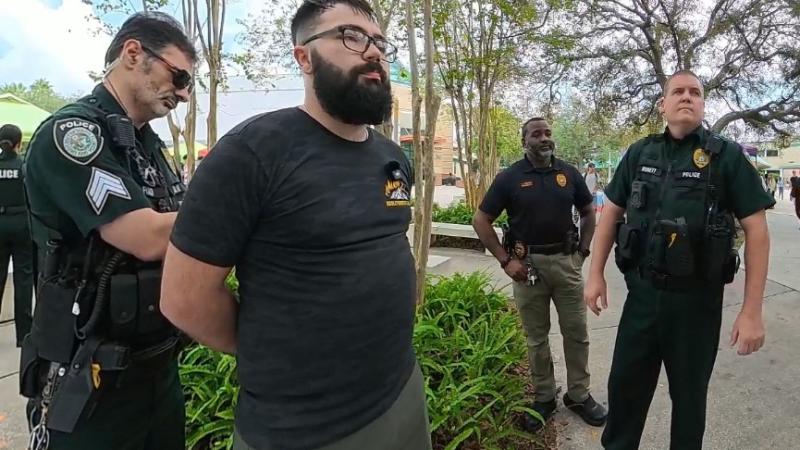
When a customs officer seized Samuel Tunick's phone at Hartsfield-Jackson Atlanta International Airport last year, he gave the officer a passcode that triggered software that deleted the contents of his phone. Federal prosecutors in Atlanta are now bringing an obstruction charge against him.
Tunick, a U.S. citizen and Atlanta resident, was returning to the U.S. on Jan. 24 last year, the New York Times reported, citing a November grand jury indictment. He was stopped for interrogation, and before allowing him to enter the U.S., authorities seized his phone.
Federal law prohibits destroying evidence or transferring assets to keep the government from seizing them. It carries a felony penalty, which can result in up to five years in federal prison, a fine or both. Courts have held that digital property is property under the law, so deleting digital property is treated as destroying physical evidence.
Tunick's lawyers argued during a hearing in Atlanta last week that the seizure was unlawful. They claim Tunick was targeted because of his political activism against Atlanta's plan to build a police and fire training center on a large patch of urban woodland. Opponents argue the center will militarize police and destroy green space.
The Facts Inside Our Reporter's Notebook
Links

Top Stories





Trending
Just the News Spotlight
Just News, No Noise