Europe gas prices top $10 a gallon as Iran conflict drives surge
High gas prices are accelerating the collapse of public opinion against the Iran conflict
Gasoline prices across Europe have surged to their highest levels in years – topping $10 a gallon in some countries – as the fallout from the ongoing Iran conflict sends ripples through global energy markets.
Across the European Union, gasoline prices average around €1.85 per liter, which translates to around $7.95 a gallon. But prices are higher in parts of Northern Europe, including regions of Scandinavia and the Netherlands, where national high prices are well over $10 per gallon. The Netherlands has the highest average gas price in the 27-nation bloc, at about $10.10 a gallon.
The small island nation of Malta is the only EU member state with per-gallon prices of under the $6.00 threshold, at a national average of $5.93 per gallon.
European gas prices have come down from their recent highs in mid-April. But compared to February, before the start of the Israeli- and U.S.-led conflict against Iran, prices are still around 20% higher.
All that means that average gasoline prices in Europe have now climbed to around twice the average price in the U.S. – the highest price levels for most European countries since 2022, at the start of the war between Russia and Ukraine.
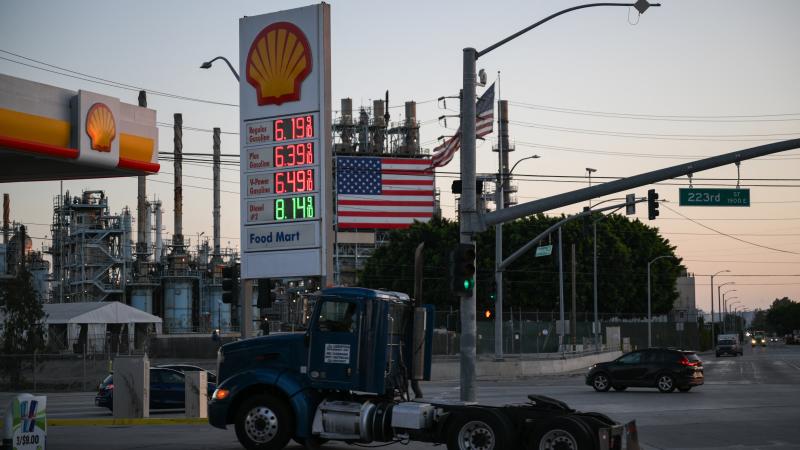
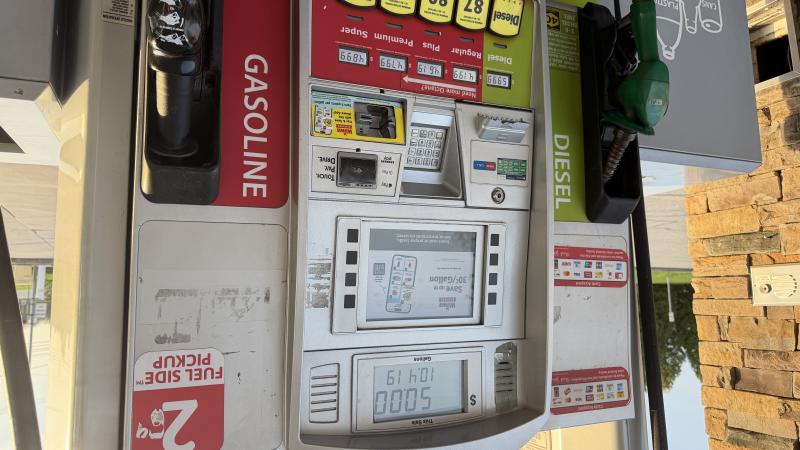
Still, the increase in Europe is dwarfed – at least in percentage terms – by the impact at the pump for U.S. drivers, who on average nationally have seen prices increase from around $2.70 per gallon to north of $4.00. That’s an increase of more than 50%.
Why the disparity in percentage terms?
“The price of a barrel of oil is more or less the same in every market,” Javier Noriega, chief economist emeritus with Hildebrandt and Ferrar investments in Milan, told Just the News. “The difference is the high taxes that European countries place on fuel. The taxes make up the bulk of the price.”
“If gasoline in Italy costs €1.80 per liter [around $7.70 per gallon], less than €0.80 of that is the cost of the fuel,” Noriega said. “The rest of it is made up of various taxes. So, when oil prices rise, only the fuel part increases. Taxes remain the same, and in some countries, governments may even reduce fuel taxes to soften the blow.”
Strip out the taxes, and fuel prices in the U.S. and Europe are similar. The €0.80 per liter in Noriega’s example translates to around $3.55 per gallon, not far from U.S. prices when the impact of taxes is removed.
The difference is that Europeans pay an average of around $4.50 a gallon in fuel taxes, compared to around $0.50 to $0.60 per gallon in taxes in the U.S., with variations in certain states and counties.
But for European customers, that explanation doesn’t reduce the impact on their wallets.
Polling across the continent shows little support for the conflict that is pushing fuel prices higher, with majorities in the largest countries – France, Germany, Italy, Spain, and the U.K. – broadly opposing the conflict and fearing the long-term consequences it could trigger.
Note: for the calculations in this article, an exchange rate of $1.125 per euro was used. There are 3.8 liters in one gallon.
The Facts Inside Our Reporter's Notebook
Top Stories





Trending
Just the News Spotlight
Just News, No Noise