Saying 'amen' instead of 'cheers': Poll shows prayer tops drinking this New Year’s Eve
Out of 1,000 registered voters, 44% will say a prayer, while 39% will have an alcoholic beverage, which is down 12 points from 2022. Alcohol consumption is at the lowest rate in nearly 90 years.
As Americans put 2025 in the rearview and celebrate the coming of the new year, more Americans will probably have spent the night in some form of prayer than with cocktails.
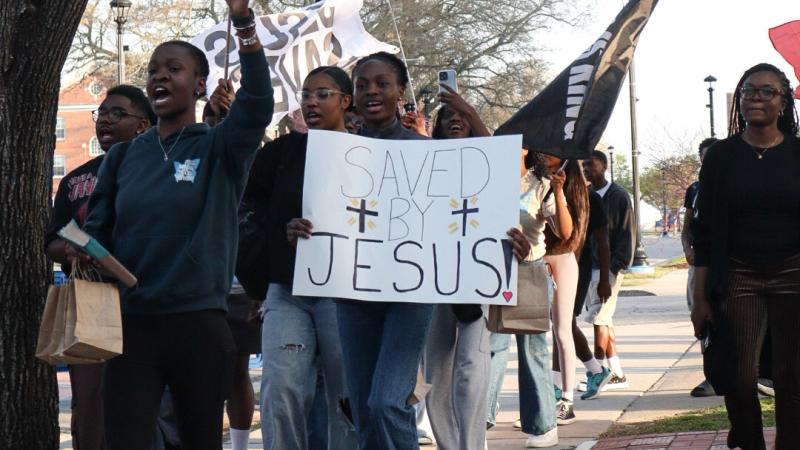
A new poll from Napolitan News conducted by Scott Rasmussen found that more Americans reported that they would say a prayer going into 2026 than will imbibe in revelry with alcohol. Out of 1,000 registered voters, 44% would say a prayer, while 39% would have an alcoholic beverage, which is down 12 points from 2022. This tracks with a general trend of more prayer in America.
"While it's rarely reflected in media coverage, most voters pray at least several times a week. They're praying on December 31 not because it's a special time of reflection, but because prayer is a normal part of their daily life," Rasmussen told Just The News.
Alcohol consumption trending downward
In what appears to be a balance between politics and prayer, a separate Napolitan News poll found that 35% of voters pray daily but only 8% talk politics daily. For every person talking politics daily, there are 4 people praying daily, they said.
Alcohol consumption has been trending downward in recent years. An August Gallup poll found that only 54% of adults reported drinking alcohol—the lowest rate in nearly 90 years of tracking, down from 62% in 2023.
The decline has been driven largely by younger generations, with drinking rates among 18- to-34-year-olds dropping sharply amid growing health awareness and shifting social norms, while overall per capita consumption and sales volumes have also softened across beer, wine, and spirits categories.
Globally, similar patterns are emerging in many high-income countries, with youth drinking declining significantly since the early 2000s, contributing to reduced alcohol-related harms overall.
The poll also reveals a divided opinion on the significance of New Year's Day, with just 20% considering it one of the nation's most important holidays. A majority disagree, as 27% rate it the least important and 51% place it somewhere in between.
Staying up late
Despite the mixed views on its importance, most voters planned to mark the occasion awake: 56% say they will be up at midnight to welcome the new year. Thirty percent decided against staying up, while 14% remained unsure when asked about their New Year's Eve plans.
The likelihood of staying awake drops sharply with age, from 76% among voters aged 18 to 34 to only 35% among those 65 and older.
Nearly half (48%) said they planned on having dinner with family and friends, a figure down 13 percentage points from 2022. Other popular activities include watching the ball drop in Times Square (38%), watching football (22%), and dancing (16%).
Of the respondents who said they would be making a New Year's resolution, health and wellness reigned supreme at 37%. Another 33% said their New Year's resolution pertains to personal growth and happiness, 15% said their resolutions would apply to spirituality and faith, 4% relationships and family and 3% career and eduction. 0% reported that their resolution would have to do with political and civic engagement.
The Facts Inside Our Reporter's Notebook
Top Stories

Trending
Just the News Spotlight
Just News, No Noise