As Iran war hits oil and gas shipping, green policies of Europe and California start to boomerang
Like Europe, California bet on a rapid transition away from fossil fuels. Germany went as far as banning nuclear energy. Years of regulations have left them with depleted supplies of energy, and the war in Iran has highlighted how vulnerable it is to supply shocks. Unfortunately, the impacts will be felt across the whole country.
The war in Iran is wreaking havoc on global oil and gas markets, and European countries are coming face-to-face with the consequences of their anti-fossil fuel policies. Here in the United States, California pursued very similar policies as those in Europe. After years of anti-fossil fuel policies, the state is now importing more oil and distilled petroleum products than ever before.
The war in Iran is straining global petroleum supplies, and that will lift California’s high fuel costs even higher. The state is home to three major container ports, key military bases, and almost 15% of the U.S. GDP, meaning its energy problems have become a matter of national concern.
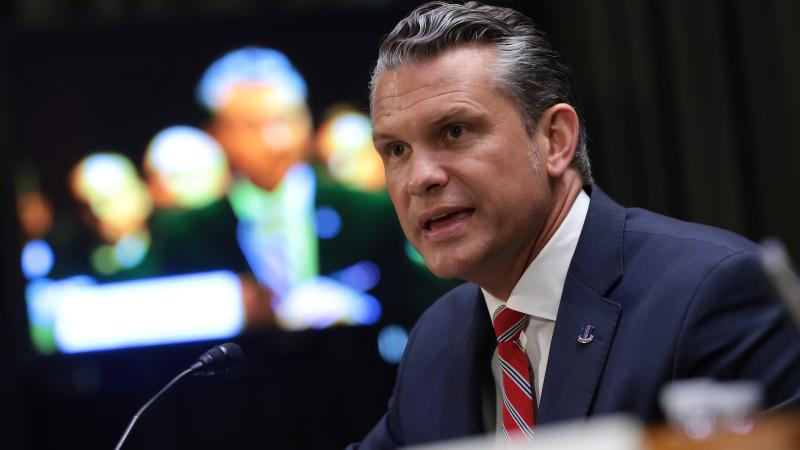
“California is not just an energy basket case, it's also evolved now into a national security risk for the United States,” David Blackmon, an analyst with more than 40 years of experience in the oil and gas industry and author of the “Energy Absurdities,” Substack told Just the News.
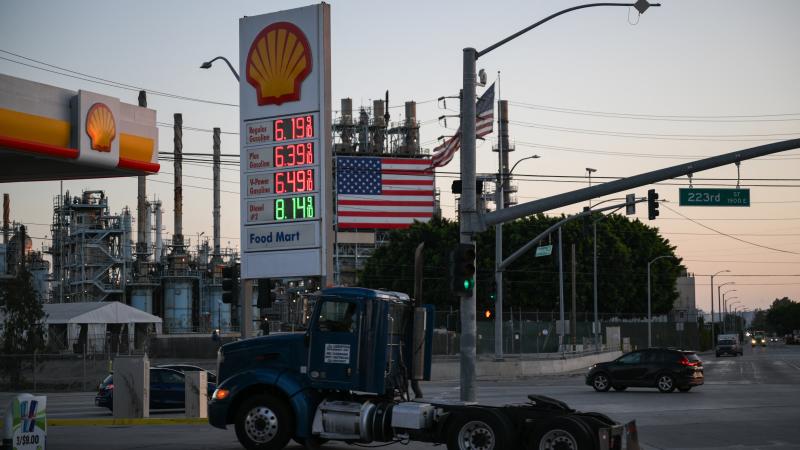
Oil prices soared to above $100 per barrel on Sunday, while gasoline prices were reported in California as high as $8 a gallon.
High demand, high competition
Russian President Vladimir Putin said Wednesday that Russia could stop selling natural gas to Europe, Reuters reported. New markets are opening up in Asia as a result of the hostilities in Asia, and with Europe being such an unreliable partner as a result of its “misguided policies,” it might be more profitable to supply these new markets, Putin explained.
Iran attacked oil and gas facilities in Ras Laffan in Qatar, which are operated by the state-owned company QatarEnergy. The country is the third-largest exporter of liquefied natural gas in the world. The company announced Monday it was stopping production of LNG.
According to Woods Mackenzie, 20% of the global LNG supply transits the Strait of Hormuz, and virtually all of that comes out of Qatar to Asian markets. Now that supply will be cut off, Russia has a lucrative market to tap into in Asia.
Renewables risk becoming "stranded assets"
Putin added that he was just “thinking out loud,” and such a policy hasn’t been enacted. Most European countries failed to develop their own natural-gas resources, electing instead to bet that a rapid transition away from fossil fuels would leave such investments unnecessary.
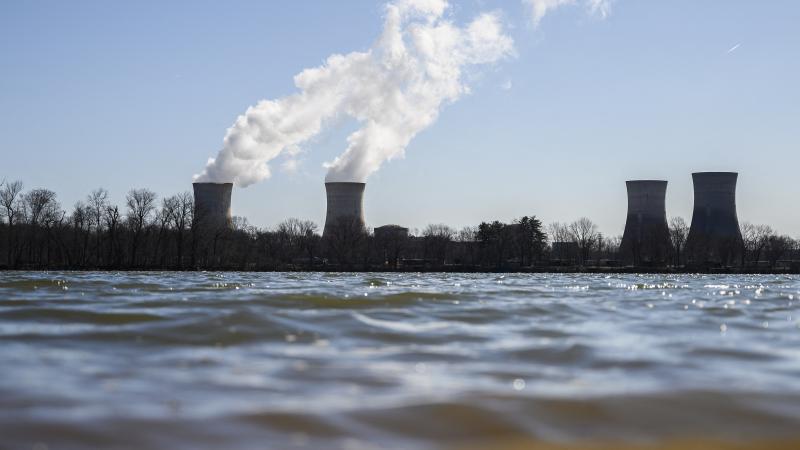
Germany completed its nuclear energy phase-out on April 15, 2023, shutting down its last three reactors, according to the World Nuclear Association. Hoever, in May 2025, under Chancellor Friedrich Merz, Germany abandoned its opposition to recognizing nuclear power as equivalent to renewables in EU climate policy.
As it turns out, the world is using more oil, gas and coal than ever before. The multinational banking firm Barclays produced a white paper last month disputing that any energy transition is happening. Instead, investments in renewable energy are additive rather than substitutive. With baseload energy sources being underbuilt, renewables are in some cases under risk of becoming stranded assets, Barclays warned.
For years, academics assumed the energy transition would be quick and easy, and so investments in oil and gas would become stranded assets, they argued. European policymakers bought into the hype, and only Norway has any significant oil and gas production.
Should Russia go forward with Putin’s suggestion, Europe would be in a very precarious position because it would compound the problems created by the war in Iran.
Global trade severely impacted
A new analysis by Enverus Intelligence Research estimates a geopolitical risk premium of approximately $10 to $15 per barrel to the European benchmark price. Some 2026 crude oil forecasts for the price of Brent oil is $63, and it sat at $92 on Friday.
Iran has attacked ships passing through the Strait of Hormuz, an artery through which 15 million barrels of crude oil per day and four million barrels of refined petroleum products. While Iran would have trouble maintaining a full blockade of the strait, as of Thursday, members of the International Group of Protection and Indemnity Clubs officially terminated war-risk coverage of vessels in the Persian Gulf. This creates a de-facto blockade.
On Tuesday, Trump said the U.S. Navy could begin escorting ship traffic through the strait, and he ordered the U.S. International Development Finance Corporation to provide insurance and financial guarantees for maritime vessels in the Gulf, Reuters reported.
Whether those initiatives get traffic flowing remains to be seen, but Enverus states that its estimated $10 to 15 per barrel premium could go much higher if disruptions in maritime trade continue materially for an extended period.
California's green dreaming results in pain at the pump getting worse
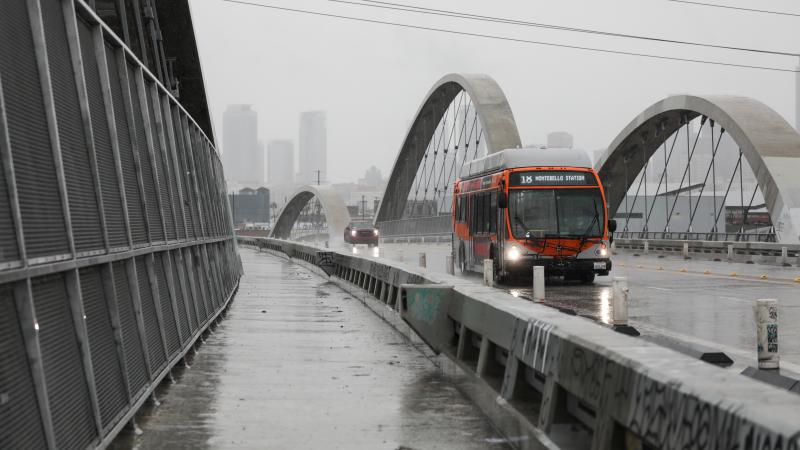
California has been on a similar path as Europe, in alignment with a left-leaning constituency that abhors fossil fuels. Convinced that fossil fuels would soon disappear from the energy mix, the state’s lawmakers created an increasingly hostile regulatory environment. While the state has considerable proven oil reserves, its production is about one-fourth what it was in the 1980s.
As refineries close and more and more companies flee the state, California has been forced to meet its gasoline demand with imports. More than a quarter of the crude oil California imports comes from Iraq, Saudi Arabia and the United Arab Emirates. All those producing countries depend on the Strait of Hormuz to ship out oil. Not surprisingly, California gas prices on Thursday were more than $4.50 per gallon in many parts of the state.
The pain at the pump could get a lot worse. State lawmakers haven’t shown any reconsideration of the regulatory environment they’ve created and continue pushing for an energy transition. On Monday, California Gov. Gavin Newsom blamed Trump for the state’s high energy costs, Politico reported.
“Look at your cost at the pump the last few days: That was an act of the Trump administration,” Newsom told reporters.
On Tuesday, Andy Walz, president of downstream at Chevron, sent a letter to Newsom and other state officials warning that the proposed camp-and-invest regulation the state legislature is considering will cripple the California economy — and threaten the energy security of the entire country.
“The proposed regulation will cripple the survivability of the state’s remaining refineries, which will result in California losing the entire industry to this misguided program,” Walz warned.
California's decisions impact the entire U.S.
Even if the governor and lawmakers reconsider those policies, it would take years to renew its oil and gas industry. California was looking to import more of its gasoline to meet its demand as its refinery output shrinks, and China was one possible supplier.
The war in Iran complicates that plan. On Thursday, China was asking its refineries to stop exporting products as they would be needed to satisfy domestic demand, Reuters reported.
California is a large part of the American economy, and in 2020, the amount of waterborne trade moving through California ports was worth $416 billion. The state is also home to more than 30 military installations, many of them relying on fuels produced in California refineries. As California strangles its energy supplies, national defense and the U.S. economy are impacted.
“I believe before too much longer, the federal government is going to have to intervene in the situation out there,” Blackmon said.
Of course, there’s no telling how long the conflict in Iran could last. It could be short enough to avoid the worst of the impacts. As the largest producer of oil and gas in the world, the U.S. will be partly shielded from the impacts, whatever the conflict’s duration, but not entirely. For Europeans and Californians, the bet on green energy is going to continue to be a costly choice.
The Facts Inside Our Reporter's Notebook
Links
- Energy Absurdities
- Reuters reported
- production of LNG
- Barclays produced a white paper
- oil and gas would become stranded assets
- new analysis by Enverus Intelligence Research
- officially terminated
- Reuters reported
- considerable proven oil reserves
- one-fourth what it was in the 1980s
- gasoline demand with imports
- many parts of the state
- Politico reported
- sent a letter
- Reuters reported
- worth $416 billion
- more than 30 military installations
Top Stories



Trending
Just the News Spotlight
Just News, No Noise