Related Articles
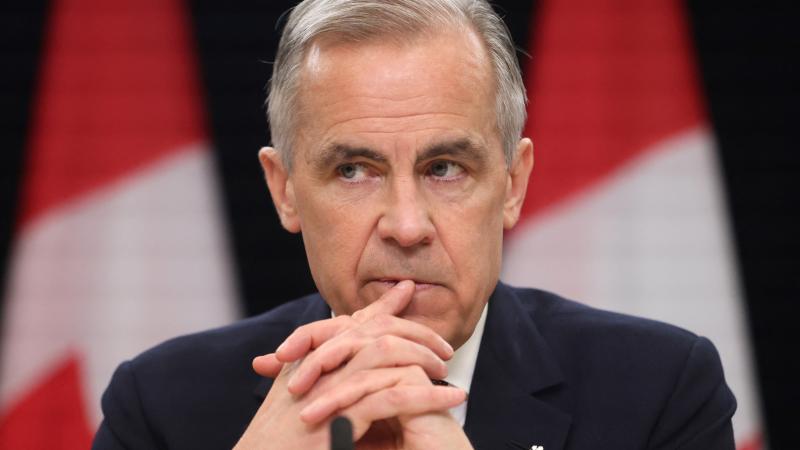


The Canadian government is set to amend its digital surveillance legislation following backlash from Big Tech and House GOP for surveillance overreach
The Canadian government announced Thursday that it would amend its controversial digital surveillance legislation, after facing a barrage of criticism from Big Tech companies, privacy advocates, and the Republican-led U.S. House of Representatives.
Apple, Google, and Meta have all opposed the legislation, Bill C-22, the Lawful Access Act, which is now being debated in the House of Commons and is aimed at updating how law enforcement and Canadian Security Intelligence Services gather digital evidence for investigations.
However, Conservative Leader Pierre Poilievre and his party have expressed concern about the bill.
He told reporters that they were “extremely suspicious,” and that he and his party would “have to see” the amendments for fear the government was building “a surveillance state.”
Under the original bill, Bill C-22 would enable the public safety minister to enforce secret orders for tech providers to intercept data and to trace devices. These orders would only to be subject to review by the Intelligence Commissioner, while companies would be legally barred from notifying users.
The bill would also enable electronic service providers to retain metadata for a year and force them to adjust their systems to hand over data to investigators holding a warrant.
Technology leaders are warning against compromising the security of platforms used by journalists, activities, and everyday users. Google warned that the legislation “could facilitate foreign interference and weaken global user privacy,” at a parliamentary committee on Tuesday.
Erik Neuenchwander, Apple’s senior director of user privacy and child safety, told the same committee that the legislation would allow the Canadian government to break end-to-end encryption by creating a “backdoor” vulnerable to exploitation.
Neuenchwander also said that this was “maybe one of the last times we’re permitted to discuss the consequences of this legislation publicly, adding, “That’s because of the bill’s secrecy provisions, which forbid companies like Apple from even discussing the orders we receive with our users or the public.”
Prior to Apple and Google’s testimonies, privacy advocates including Canada’s federal privacy commissioner Philippe Dufresne raised alarms about the risk of privacy breaches on the data that would be retained.
Signal, a secure messaging app, as well as NordVPN and Windscribe, have threatened to pull out of Canada if forced to comply with the bill, while Proton VPN and ExpressVPN have stated that its no-logs policy and encryption must remain in place.
Earlier this month, the House Judiciary and Foreign Affairs committees sent a letter to Canada’s Minister of Public Safety with concerns on the privacy and security risks it posed to Americans, in an exclusive report by Just the News.
Public Safety Minister Gary Anandasangaree, the bill’s sponsor, told reporters on Wednesday amid pressure from critics that the amendments would address “clarity on what encryption is,” as well as what metadata would be stored by tech and telecommunication companies.
"We would ensure that that metadata piece is in line with our U.S. counterpart's language in their bill," Anandasangaree said. Nevertheless, he said that it was necessary to pass the bill. "We're living in a world where big techs, whether it is Apple, Google, or the range of other big tech companies, are operating without any type of accountability," he said.
The Liberal government, which holds a majority, can pass the revised Bill C-22 without the support of the Conservatives, the New Democratic Party, or Green Party, who all oppose the bill.