Related Articles
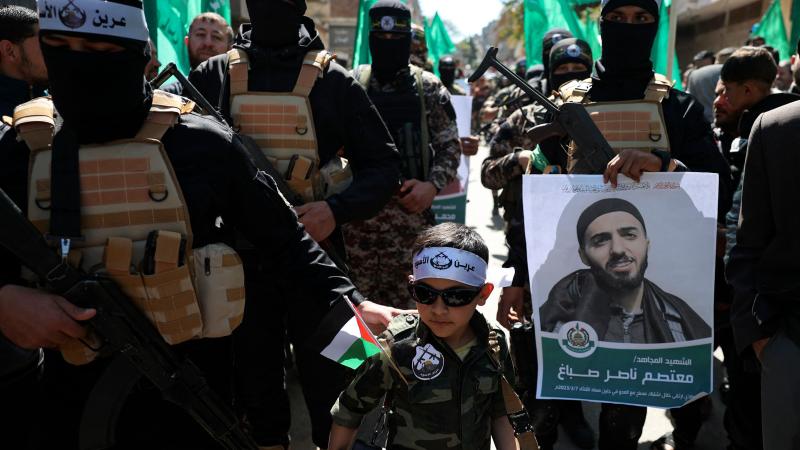
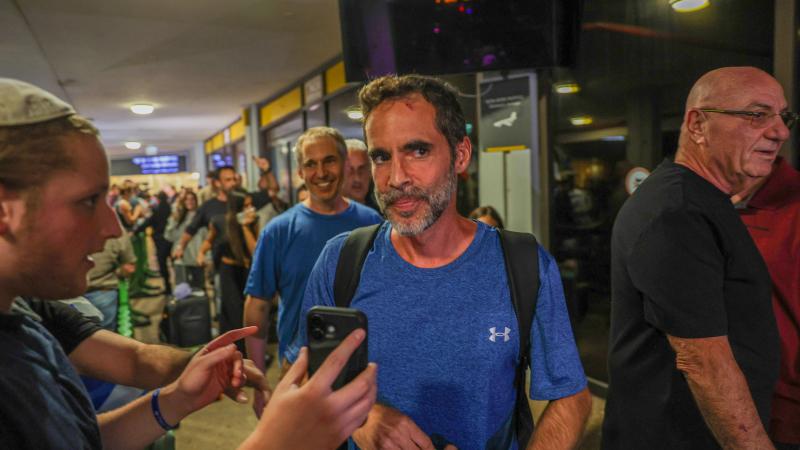
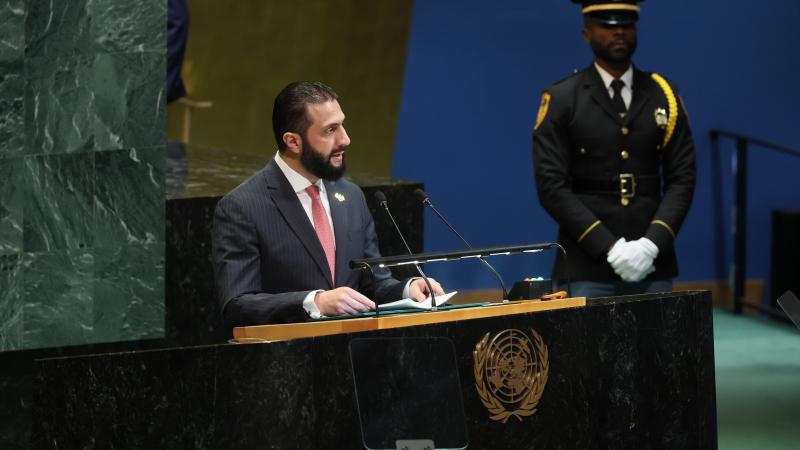
One member of Iran’s “parliament in exile” told Just the News that more unrest could come because the regime has not solved underlying troubles motivating the protest movement. Activists say at least 6,126 people killed in Iran’s crackdown on protests.
The Islamic Republic of Iran appears to have brutally quashed the latest round of protests in the country that began shortly before the new year. However, opponents of the theocracy say that the underlying grievances that sparked the uprisings are still present.
This situation is a new and fluid phase for the regime that has put Iran’s totalitarian rulers on the back foot, setting the stage for new protests in the future, Ali Safavi, an Iranian opposition leader told Just the News.
This assessment comes as U.S. President Donald Trump has yet to rule out using military force to punish the regime for its crackdown, though he has, so far, only resorted to imposing new sanctions.
This month, Iran was rocked by sustained protests across multiple regions, sparked by increasingly difficult economic conditions. The protests, which began with shop closures shortly before the New Year in urban commercial districts, quickly spread throughout the country and took on a decisively anti-regime character.
As the demonstrations spread, Iranian regime forces began cracking down with violence. The latest reporting indicates that as many as 30,000 individuals may have been killed in the demonstrations, although this estimate is unconfirmed. NPR is reporting that at least 6,126 people have killed in Iran's crackdown on nationwide protests. This far exceeds the 3,117 deaths released by regime officials earlier this month. Other estimates by human rights groups indicate about 5,000 confirmed deaths, at least.
Safavi, a member of Iran’s “parliament in exile” and the foreign affairs committee for the National Council of Resistance of Iran — a key opposition group — told Just the News that it is not surprising that the tempo of protests would die down in the face of such brutality. However, he says not to mistake a lull in demonstrations as a sign that the Iranian people have given up.
“Naturally, given the tremendous brutality with which the regime reacted to this nationwide uprising, there is going to be, if you will, some slowing of the pulse of the uprising, but that is a far cry from ending,” Safavi told the "Just the News, No Noise" TV show.
“Remember, even at the time of the Shah, there were ebbs and flows in the anti-Shah protests. The Shah even organized counter demonstrations to show that he had support. But at the end of the day, we all saw that the will of the Iranian people prevailed,” he said.
“And I think this is exactly the same case in Iran right now, and there's no question that the developments, especially of the past 25 days since December 28 have made it abundantly clear that the situation, as far as the Iranian people on the one hand and the regime on the other is concerned, we will not return to the pre-December 28 status quo,” Safavi added.
Safavi says the demonstrators’ success in challenging the regime’s security forces in direct clashes that leave security officers dead, buildings torched, or police vehicles destroyed, has shifted the “wall of fear” from the people to the regime. This fear has prompted the regime to institute a near-total internet blackout and double down on violent crackdowns.
Rather than crushing the Iranian individual spirit, Safavi believes these developments have permanently changed the people’s relationship with the regime.
“So the situation, to be honest with you, is a very fluid situation, and I think one should expect this igniting sooner or later,” Safavi said. “And I think next time around, this will be far more ferocious and far more widespread than what we witnessed in the past 25 days.”
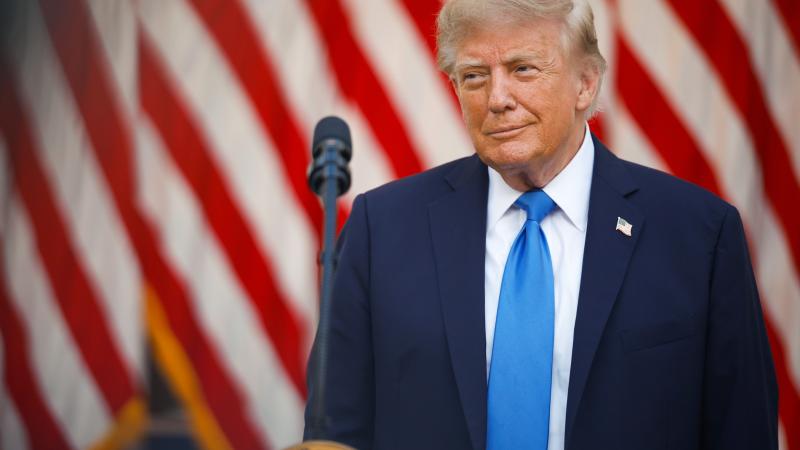
If the protest reignites, Tehran will be forced to tread carefully. U.S. President Donald Trump still has not ruled out using military force against the Islamic regime if widespread killing of protesters resumes.
Shortly after the New Year, Trump warned Iran’s leaders that if the country "violently kills peaceful protesters, which is their custom, the United States of America will come to their rescue,” in a post on his Truth Social platform.
After the first reports emerged from Iran that security forces had indeed killed demonstrators, the American president said that his administration was “very seriously” considering military options. To that end, Trump ordered a carrier strike group redeployed from its post in the South China Sea to bring more firepower to the Middle East. That carrier and its escorts arrived in the region on Monday.
Earlier this month, the president was close to ordering a strike, but backed off when the Iranian regime held back from executing detained protesters after the American warnings. Trump billed this as a success of his policy of pressure.
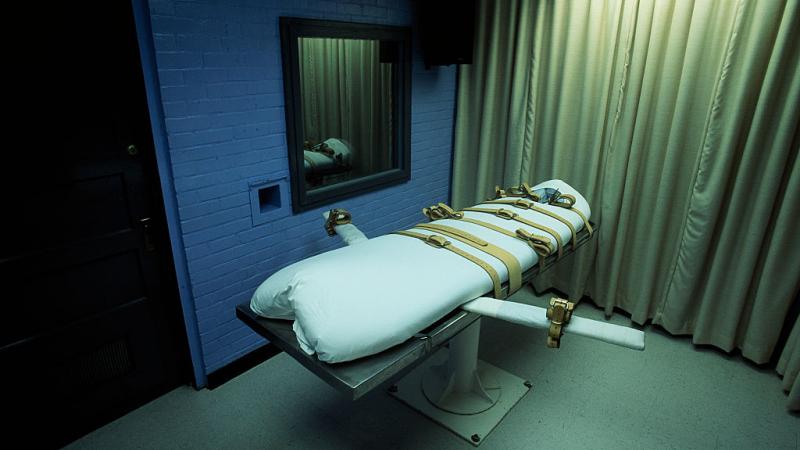
“There’s no plan for executions,” Trump told reporters in the Oval Office, responding to a question about Erfan Soltani, a protester who was due to be executed by the regime on Wednesday. “I’m sure if it happens, we’ll all be very upset,” Trump added. “But that’s just gotten to me […] they’re not going to have an execution.”
Trump's administration has taken action against the regime outside the military realm. Trump said he would impose a 25% tariff on all countries doing business with Iran.
The Department of the Treasury also imposed fresh sanctions against senior officials it believes were behind the latest violent crackdowns, including Iran's Secretary of the Supreme Council for National Security, along with Islamic Revolutionary Guard Corps members and Law Enforcement Forces Commanders.
The Treasury also listed nine of Iran’s “shadow fleet” vessels that deliver the regime’s clandestine oil shipments, the main source of cash for the heavily sanctioned country.
On Monday, the American president said the pressure prompted Iran to reach out in order to make a deal. "They want to make a deal,” Trump reportedly told Axios. ”I know so. They called on numerous occasions. They want to talk.”
However, he said that the situation is still “in flux” and it appears that he has not made a final decision about whether to negotiate or further pressure the regime as it faces instability at home.