Trump admin overhauls chemicals and sets new MAHA agenda for 2026
The MAHA Effect: The chemical review overhaul seeks to comprehensively reassess food additives, pesticides, and environmental toxins to reduce their role in chronic diseases and improve overall safety standards.
On Wednesday, Environmental Protection Agency (EPA) Administrator Lee Zeldin announced that following an extensive and comprehensive review, required under the Toxic Substances Control Act (TSCA), the agency will now regulate the usage of a variety of five common chemicals used for pliability in materials used for construction and industrial applications.
The list includes: Butyl Benzyl Phthalate (BBP), Dibutyl Phthalate (DBP), Dicyclohexyl Phthalate (DCHP), Diethylhexyl Phthalate (DEHP), and Diisobutyl Phthalate (DIBP).
Major steps taken
The announcement by Zeldin followed a robust agenda for the MAHA (Make America Healthy Again) movement for 2026 which, among other things, is prioritizing the removal of petroleum-based food dyes, such as Red 40 and Yellow 5, due to their synthetic origins and links to health concerns like hyperactivity and allergies in children.
The 2026 agenda also calls for re-examining and revising the Dietary Guidelines for Americans to better address chronic diseases by promoting whole foods and potentially increasing recommendations for meat and full-fat dairy while curbing ultra-processed items. The guidelines have seen progress with reforms influenced by the MAHA Commission, and after delays, the updated version is slated for release in January 2026.
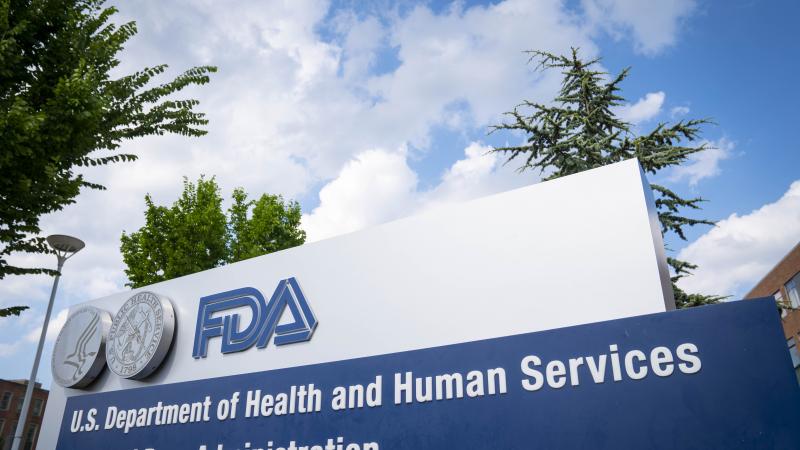
The FDA has already taken major steps to phase out these dyes from foods and medications in the first 100 days of the MAHA initiative, with industry pledges to eliminate them from school meals by the 2026 school year and approvals for natural alternatives underway.
Processed foods
Ultra-processed foods have been in the crosshairs of health advocates for years. As a result, 2026 will most likely see the establishment of a federal definition for ultra-processed foods, which are industrially manufactured products high in additives, sugars, and fats that contribute to obesity and nutrient deficiencies. A working definition has already been outlined in the MAHA report as foods undergoing multiple physical and chemical processes, with the FDA (Food and Drug Administration) issuing a request for information and states like Texas implementing related bans on certain ingredients in schools.
For new parents focused on the safety of infant formula and its ingredients, the 2026 MAHA agenda focuses on preventing contaminations, shortages, and heavy metal exposure through stricter standards and increased domestic production. HHS (Health and Human Services)
and the FDA have already launched Operation Stork Speed to expand safe options and modernize nutrient requirements with enhanced testing protocols following past recalls.
Loopholes and labeling
Reforming GRAS (generally recognized as safe) guidelines is the way MAHA aims to close loopholes allowing companies to self-declare ingredients as safe, requiring mandatory FDA reviews to protect public health from potentially harmful additives. Major overhaul steps have already been implemented in the first 100 days of MAHA, shifting to more rigorous safety assessments and closing self-affirmation practices.
New front-of-pack labeling standards will require clear, visible warnings on nutrients, such as added sugars and sodium to empower consumers in making healthier choices. The FDA is actively revising its proposed rulemaking for this labeling as part of MAHA, with some states already imposing mandates for disclosures on ingredients like seed oils and dyes.
The chemical review overhaul seeks to comprehensively reassess food additives, pesticides, and environmental toxins to reduce their role in chronic diseases and improve overall safety standards. Actions have already been taken under MAHA to eliminate certain toxins from the food supply, with the FDA and states advancing bans on harmful ingredients despite some noted policy contradictions.
MAHA manifesting change
Throughout the year, MAHA has driven significant policy changes through the official commission and HHS actions. The initiative led by Robert F. Kennedy Jr. as HHS Secretary, focuses on combating America's chronic disease epidemic—particularly in children—by addressing root causes like ultra-processed foods, environmental toxins, pesticides, and artificial additives.
It aims to reform food systems (e.g., phasing out petroleum-based synthetic dyes by 2026, restricting junk food in programs like SNAP, and updating dietary guidelines), promote preventive care over pharmaceutical reliance, reduce pollution, and increase transparency in health agencies and vaccine policies.
The Facts Inside Our Reporter's Notebook
Links
Top Stories





Trending
Just the News Spotlight
Just News, No Noise