New Orleans mandated affordable housing. Developers stopped building
City Council is rolling back mandate after 2025 report found it had failed to produce a single apartment complex since being passed in 2020.
(The Center Square) -
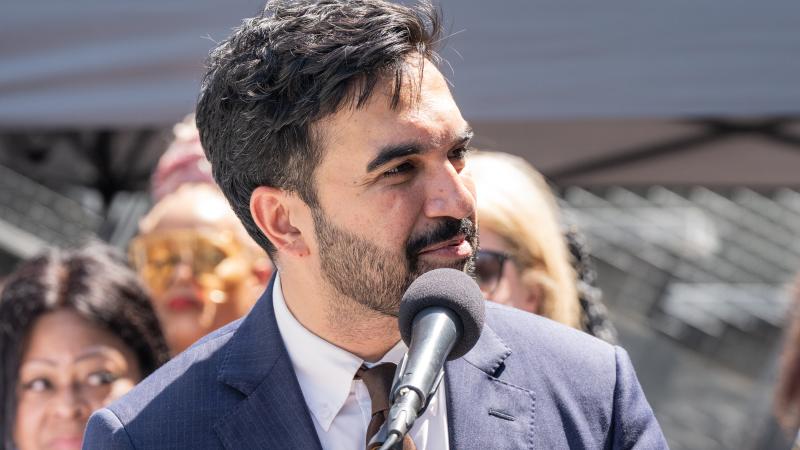
Kirk Williamson had plans for a larger apartment project on Martin Luther King Jr. Boulevard in New Orleans. Were it not for a city-mandated affordable housing provision, it might have been built.
Now, the City Council is rolling back that mandate after a 2025 report found it had failed to produce a single apartment complex since being passed in 2020.
Williamson spent roughly 15 years building and renovating housing in New Orleans, including as the former CEO of JLB Construction, one of the city's larger residential builders. He described the work as a calling.
“You get to take some of these old historic properties and turn them back into something new while making them look the way they were,” Williamson said. “It feeds into the culture of the city.”
But the economics of doing that work in New Orleans have become increasingly difficult to justify, and Williamson pointed to the mandate as the last straw. Housing affordability in the city has only gotten worse.
In 2020, it was already expensive enough to build housing. Insurance costs were climbing. City building requirements were adding costs of their own. And COVID was about to make matters worse.
Then the city gave developers a choice: build affordable housing or pay a fee for every required affordable unit they did not provide on site.
Under the mandate, a 10-unit apartment complex in the city's Core mandatory inclusionary zone would generally have to reserve one unit as affordable housing. If the developer chose not to, the alternative fee could total about $300,000.
For Williamson, now the owner of Chester Development, that meant no longer building apartment projects with more than four units, thereby avoiding the mandate.
“We actually had a project on MLK that we didn't move forward on because they were going to require set-asides," Williamson said. “Most people I've talked to — other builders out there — are building fourplexes maximum in the city of New Orleans.”
Now, six years later, the City Council has unanimously voted to sharply roll back the policy, cutting the fee from $304,810 to $10,000. The mandate remains in place, but developers can now avoid the set-aside requirement at a much lower cost.
“We are preserving the structure of the Mandatory Inclusionary Zoning program, so that higher fees in lieu and more robust requirements can be reinstated when the City's real estate market is stronger and more able to bear them,” Council member Lesli Harris said in a statement.
The report behind the rollback was written by HR&A Advisors, the same firm that helped design the policy in the first place.
In 2019, the firm wrote that a mandatory policy without sufficient incentives “could reduce affordability by creating infeasible developments and restricting the production of new units.” Back then, there were plenty of disincentives for building housing in the city and more lying in wait.
COVID hit, disrupting supply chains and sending construction costs sharply higher. The City Council mandate went into effect in July 2021.
Enter President Donald Trump. As he promised, Trump began his presidency with a barrage of tariffs levied against U.S. trade partners. Then Trump did what he promised he wouldn’t: he helped start a war, driving up fuel and transportation costs.
From August 2025 to August 2026, Bureau of Labor Statistics data show prices were up 23.4% year over year for steel mill products, 27.3% for aluminum mill shapes and 20.9% for copper and brass mill shapes.
Housing is now more expensive than ever. The National Association of Home Builders' most recent completed construction-cost survey found that in 2024 the average cost of constructing a typical single-family home was $428,215, or about $162 per square foot — the highest recorded in the history of its survey series.
Apartment construction has also become dramatically more expensive. HR&A estimated that a typical 105-unit mid-rise apartment project in New Orleans would cost about $35 million to develop, or $336,000 per unit. Nationwide, housing construction input costs were 47% higher in 2025 than in 2018.
In weaker markets, or during periods of high construction costs, the additional city requirement can push a project from feasible to infeasible.
“Housing development is fundamentally a math equation. If developers are required to sell or rent a portion of units below market rates, the lost revenue must be absorbed somewhere else in the project,” Dan Mills, CEO of the New Orleans Home Builders Association, told The Center Square.


Top Stories



Trending
Just the News Spotlight
Just News, No Noise