Europe confronts a future in which US may no longer defends it
European leaders are upping their military spending as they envision a different form for the NATO alliance
Europe is wealthier than Russia, its population is larger, and it is more technologically advanced. Yet European leaders increasingly fear the possibility that they might have to defend their borders against Russia without the guarantee of support from the United States.
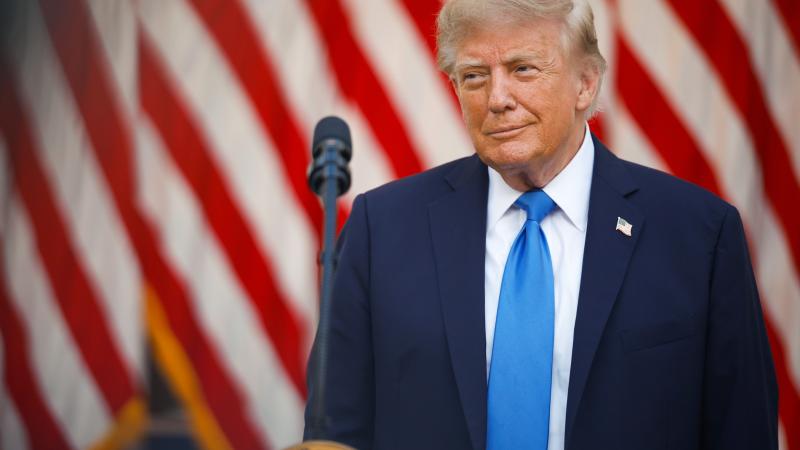
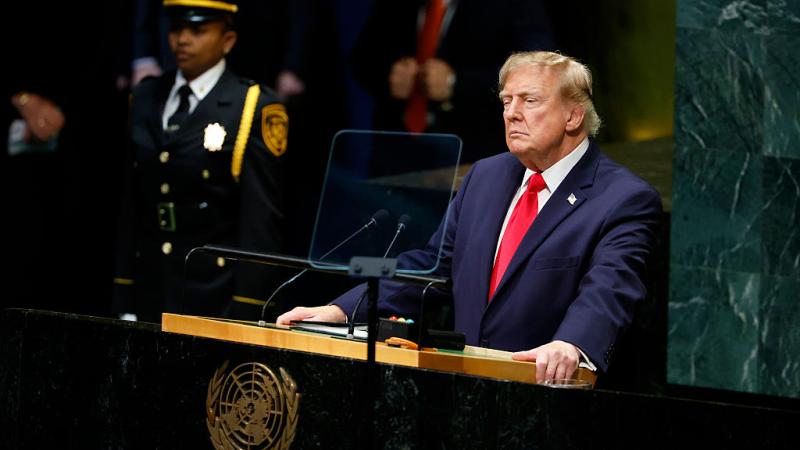
President Trump dating back to his first term has threatened to pull U.S. military support for European countries as part of their North Atlantic Treaty Organization alliance that was established in 1949 in the aftermath of WWII.
The president has also threatened to dramatically reduce the number of U.S. troops in Germany, Italy, Spain, and other European bases. And he has said the U.S. might not come to the aid of NATO allies that don’t meet new, higher defense spending targets and indicated that the U.S.’s global priorities are shifting from Europe to the Pacific Rim, especially China.
Analysts agree that NATO’s effectiveness over the 75 years of its existence has relied on the assumption that an attack on Europe would be treated as an attack on the United States. The credibility of that promise – Article 5 of the alliance treaty – has been enough to deter potential adversaries without a shot being fired.
Now, the apparent shifts in policy coming from the White House has European governments quietly preparing for the possibility that the post-war security order may no longer rule the day.
The shift follows Trump long complaining that at least some European NATO member nations are not paying fair share, and more recently some have been reluctant to help the U.S. and Israel in their war against Iran, which is pursuing the making of a nuclear warhead.
“I believe the time has come to bring Europe's mutual defense clause to life,” European Commission President Ursula Von der Leyen said at the Munich Security Conference earlier this year. “Mutual defense is not optional for the European Union, it is an obligation.”
Defense budgets are rising sharply across the continent. Germany has vowed to spend hundreds of billions on military modernization after decades of under-investment. Both Italy and France have developed plans for their most ambitious defense budgets in decades. Meanwhile, Poland and the Baltic States, already heavy spenders on defense and security, are expanding their armed forces.
NATO leaders insist the alliance is not in danger of dissolving, though they say it is clearly evolving.
“NATO will have to become more European-led,” NATO Secretary General Mark Rutte said earlier this year, reflecting a growing consensus that Europe will need to assume a greater share of the military burden.
The irony is that NATO may survive only by becoming less dependent on the country that created it.
But that transformation presents some difficult questions.
Europe possesses immense economic strength, but military power is harder to assemble quickly.
European armies remain fragmented, dependent on American logistics, intelligence, nuclear deterrence, and long-range transport capabilities. Even leaders pushing for greater independence acknowledge that Europe cannot easily replace the United States overnight.
“If anyone thinks Europe as a whole can defend itself without the US, keep on dreaming,” Rutte warned in another recent speech.
For Russia, uncertainty itself may be enough.
NATO’s power has always been psychological as much as military. If Moscow begins to doubt whether the U.S. would truly defend every alliance member, especially smaller states on NATO’s eastern flank, the deterrent value of the alliance could weaken without any formal rupture.
The Facts Inside Our Reporter's Notebook
Links
- dramatically reduce the number of U.S. troops in Germany
- Italy, Spain
- might not come to the aid of NATO allies
- the Pacific Rim, especially China
- 5 of the alliance treaty â has
- the post-war security order may no longer rule the day
- Ursula Von der Leyen said at the Munich Security Conference
- spend hundreds of billions
- already heavy spenders on defense and security
- become more European-led
- European armies remain fragmented
- American logistics
- Europe cannot easily replace the United States overnight
- Rutte warned in another recent speech


Top Stories



Trending
Just the News Spotlight
Just News, No Noise