California imports costly gas as companies flee, but lawmakers remain committed to climate policy
Paying more for less: As refineries close, California is forced to import gasoline supplies to meet demand. That raises both gas prices and greenhouse gas emissions. Despite that, California lawmakers appear unwilling to consider policies that will stop chasing the oil and gas industry out of the state.
California had dreams of transitioning away from the use of fossil fuels, which it blamed for all wildfires and droughts in the state. Gov. Gavin Newsom and the state’s Democratic lawmakers buried the oil and gas industry with mountains of regulations.
Unfortunately, things haven’t gone as planned. The state's crude oil production has fallen 75% since the 1980s, two of the state’s refineries shut down in the past year, and California is importing more of its petroleum products than ever before. The U.S. Energy Information Agency reports data indicating California crude oil production is in a long-term, accelerating decline, dropping over 10% annually to below 325,000 barrels per day (bpd) by 2024, down from 436,000+ bpd in 2019. This downward trend is driven by maturing fields, strict regulations, and reduced investment, leaving the state producing less than 25% of its total oil demand
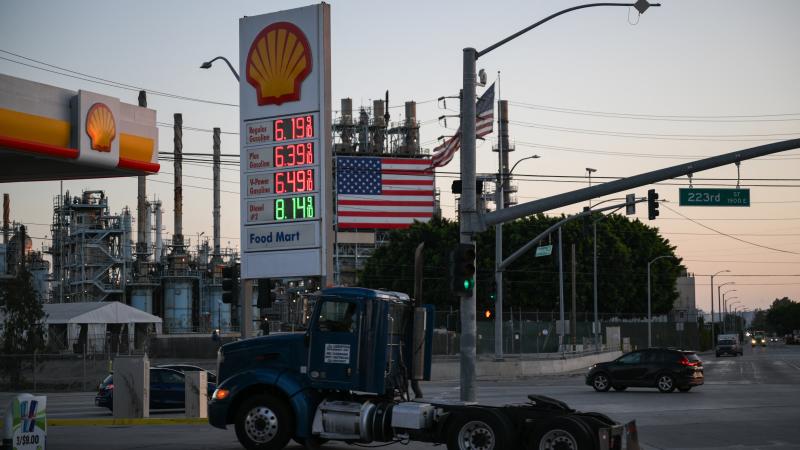
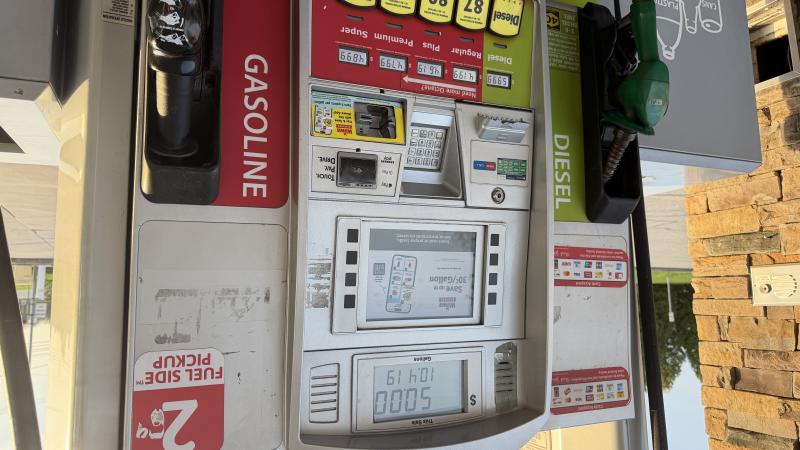
Since imports require more shipping, greenhouse gas emissions in California are going up along with what California drivers pay at the pump. On Friday, Californians were paying an average of $4.60 per gallon, according to AAA. This was the highest in the country — even higher than Hawaii.
Despite these outcomes, it doesn’t appear that California’s lawmakers see any connection between the environmental and economic outcomes and the state’s hostile regulatory environment.
Market and economic pressures blamed
The California Senate Environmental Quality Committee held a hearing last Wednesday to discuss the environmental and economic impacts of the refinery closures.
Among the presenters at the hearing was environmental attorney Ann Alexander, whose report, “Before the last drop,” blames the refinery closures on “market and economic pressures.”
Thom Hersbach, policy fellow with the Stanford Wood Institute for the Environment, attributed the refinery closures to a myriad of factors, none of which are related to any of the state’s anti-fossil fuel regulations.
“Crucially, California does not have the legal authority to meaningfully affect the larger domestic and international factors at play,” a report Hersbach co-authored states.
Excessively optimistic projections and "Sheer folly," expert says
University of Southern California professor of management Michael Mische told Just the News that he’s perplexed by California lawmakers’ refusal to consider any change in policy direction.
“It’s sheer folly. At this point, it's almost like watching a bunch of eighth graders trying to describe economics,” Mische said.
Since 2020, the state’s refining capacity has declined by 21%, and California is making up the difference with imports, according to a presentation Mische provided to the state legislature last week. In the 1980s, California imported approximately 6% of its needs from foreign sources, In 2005, the state began importing more oil than it produced, and last year, 67% of its oil needs came from imports.
In November Bloomberg News reported, 40% of the state’s gasoline supply came from the Bahamas. California laws require a unique blend of gasoline. Mische said that Gulf Coast refineries will produce gas to federal standards. Then, it's shipped to the Bahamas, where it’s blended to be compliant with California requirements.
Among the dreams California lawmakers had was that demand for gasoline would drop as a result of EV adoption rates. The California Energy Commission (CEC) estimated that by 2045, the state will have a 1,200% increase in the number of registered EVs than it has today. To reach the targets, there have to be a 63% increase in adoption rates annually.
Mische has asked the state to provide its data on how it came up with those numbers and has yet to receive any information. “It’s completely ludicrous,” Mische said.
As a result of these optimistic EV adoption forecasts, the CEC projects a 58-85% drop in gasoline consumption. This implies a 3.6% annual decrease, which is more than three times the historical rates.
Lowering environmental standards
In light of huge financial losses on their EV lines, automakers are pulling back on their commitments and realigning their manufacturing to customer demand. It’s unlikely that the CEC projections will match reality, which means California drivers will be paying more for imported gasoline.
Those imports will be going up, as well. Mische estimates that California refinery capacity will continue to fall as more refineries close. There will be 3–5 times more maritime tankers hauling gasoline into the state, which means more greenhouse gas emissions and more port congestion.
The supplies will likely come from countries like India and China, which import their stocks from Russia, Iran and China. Besides their poor human rights record, the oil and gas industries in these countries have lower environmental standards than the U.S.
The increasing dependency on imports will leave California’s gasoline supplies vulnerable to all kinds of disruptions, including global hostilities. If China decides to invade Taiwan, for example, California drivers will see a serious spike in gasoline prices.
Hardest on low-income residents
Mische points out that, while many California drivers will be able to absorb the higher cost of gasoline, the state’s lower income residents will struggle with it. The closure of the refineries will also mean a lot of trade jobs vanishing from the state. Many auxiliary businesses, such as bars and restaurants, will be impacted by the lost jobs as well.
The Valero refinery in Benicia, which will cease operations in April, provided 20% of the city’s revenues. Mische said that’s likely revenue that’s gone for good. “What type of business is Benicia going to attract to replace the lost revenue that's been forced upon them by these policies?”Mische said.
The problem will also impact California’s neighbors. Nevada gets 88% of its gasoline supplies from California, and Arizona gets 38%-40% of its supplies from California.
California could see $8 gasoline
Newsom recently signed a bill that allows for more crude oil production in Kern County, but Mische said California won’t likely see any increases in oil output. Oil workers have long fled the state for Texas or North Dakota, and it’s unlikely they’ll leave their high-paying jobs in low-tax states for jobs in California, where housing prices and cost of living are as high as gas prices.
Other factors, Mische notes in his presentation, have lowered gasoline demand, which have eased the pain at the pump. The percentage of its workforce working from home increased since the pandemic, and the state’s population has declined by 1.36% since 2020. Automotive engine and drivetrain efficiency have also improved, increasing the distance Californians can drive on the gallons they buy.
But as refineries close in the coming years, the dwindling supplies could possibly drive up prices by as much as $8 per gallon, Mische estimates.
He said that without meaningful and practical policy changes, California’s energy security, economy and environment will continue to suffer. For the time being, California lawmakers and its governor appear unwilling to consider any such changes.
The Facts Inside Our Reporter's Notebook
Top Stories





Trending
Just the News Spotlight
Just News, No Noise